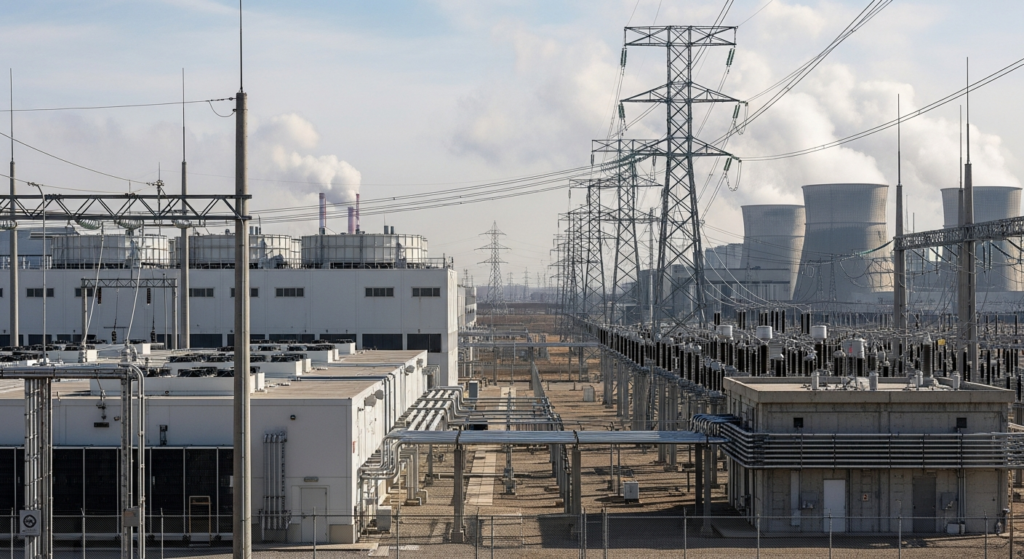
The rapid expansion of artificial intelligence technologies is fueling a significant surge in demand for data centers, which in turn requires vast amounts of electrical power. This national trend is increasingly shaping discussions around grid capacity, site selection, and economic development in communities across the country, including Charleston.
AI data centers, essential for processing complex algorithms and managing large datasets, consume electricity at a scale comparable to small cities. Powering the advanced processors and maintaining optimal cooling systems for these facilities places substantial strain on existing electrical infrastructure. Industry analyses indicate that the power requirements for these centers are growing exponentially, necessitating considerable upgrades to generation, transmission, and distribution networks.
For regions like the Lowcountry, the availability of reliable and abundant power is becoming a critical factor in attracting new technology investments. Economic development agencies and the Charleston County Government are navigating a complex landscape where the promise of high-tech jobs and capital investment must be balanced against the significant infrastructure costs and potential environmental impacts. The need for robust power infrastructure is now a primary consideration for companies scouting locations for new data center campuses.
Local utility providers are at the forefront of forecasting this escalating demand. Planning for the future involves not only ensuring sufficient power generation but also upgrading transmission lines and building new substations. These projects often entail substantial capital expenditures, which can have implications for ratepayers across the service area. The long lead times required for such infrastructure development mean that proactive planning is essential to avoid bottlenecks that could deter future growth.
Land use and zoning are also central to these discussions in Charleston. Data centers typically require large parcels of land, often in industrially zoned areas, and may benefit from proximity to water sources for cooling. The availability of suitable sites within Charleston County, which can accommodate both the physical footprint of these facilities and their extensive power connections, is a key consideration. Balancing the needs of industrial development with other community priorities, such as environmental preservation and residential growth, falls to local planning commissions and elected officials.
Furthermore, the growth of the data center industry could create a demand for a specialized workforce. While data centers are not typically major employers in terms of sheer numbers, they require highly skilled technicians, engineers, and IT professionals. Educational institutions like the College of Charleston and The Citadel may find themselves engaging with industry partners to ensure that local talent pipelines are equipped to meet these emerging needs.
The broader economic implications for Charleston extend to existing major employers and institutions. Companies like The Boeing Company and Volvo Cars USA, along with the Medical University of South Carolina (MUSC), are significant power consumers themselves. A strained or rapidly evolving power grid could have ripple effects across the entire local economy, influencing operational costs and future expansion plans for a diverse range of businesses and public services in Charleston.
### Why it matters in Charleston
The national trend of surging AI data center power demand holds significant implications for Charleston. The Charleston County Government, through its planning and economic development departments, faces the challenge of strategically positioning the region to either attract or manage the impacts of this growth. Decisions made regarding utility infrastructure investments, land-use zoning, and workforce development will directly influence the county’s ability to support existing industries and welcome new ones, potentially affecting everything from local tax revenues to the cost of electricity for residents and businesses across the Lowcountry. The ongoing discussions underscore the necessity for long-range planning to ensure Charleston’s infrastructure can meet future demands.