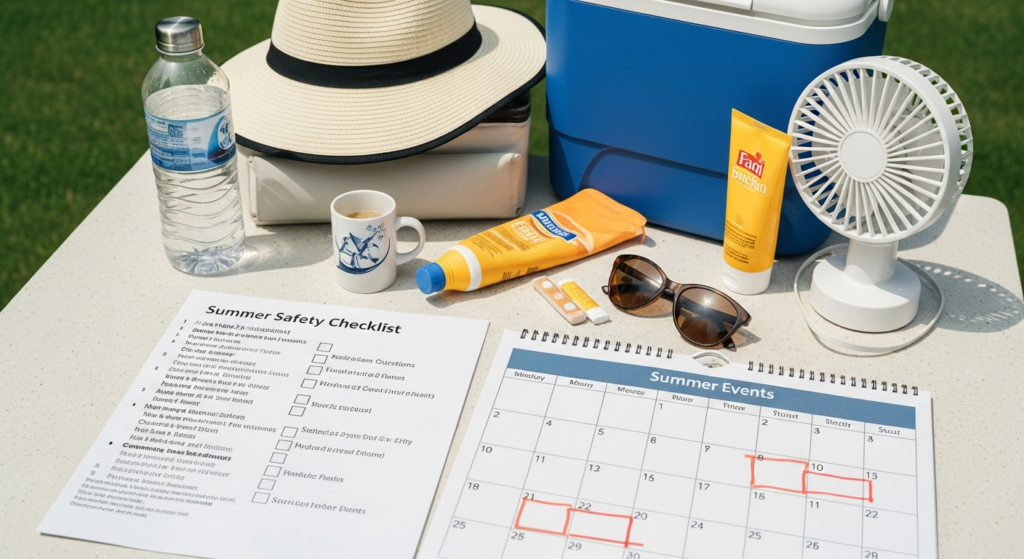
The persistent heat of summer in Charleston brings with it an increased focus on personal health strategies, particularly for individuals managing ongoing medical conditions or taking prescription medications. Health officials and medical professionals emphasize the importance of a proactive approach to heat safety, which includes understanding how medications can interact with high temperatures, maintaining adequate hydration, and recognizing the early signs of heat-related illness.
Central to this guidance is the understanding that various medications can alter the body’s ability to regulate temperature or respond to dehydration. For instance, certain diuretics, commonly prescribed for high blood pressure or heart failure, can increase fluid loss, making individuals more susceptible to dehydration. Antihistamines, often used for allergies, and some antidepressants or antipsychotics, can reduce the body’s capacity to sweat, which is a primary mechanism for cooling down. Beta-blockers, another class of medication for heart conditions, can blunt the body’s natural response to heat stress, potentially masking symptoms of overheating. These interactions underscore the necessity of consulting a qualified healthcare provider or pharmacist about specific medications and their potential effects in hot weather.
Hydration remains a cornerstone of heat safety. The body’s ability to regulate its core temperature relies heavily on sufficient fluid intake. Water is generally the most effective choice for hydration, but for prolonged outdoor activities, beverages containing electrolytes may be beneficial to replenish salts lost through sweat. It is important to begin hydrating before engaging in outdoor activities and to continue drinking fluids regularly throughout the day, rather than waiting until thirst sets in. Thirst is often an indicator that the body is already experiencing some degree of dehydration. Monitoring urine color can also serve as a simple indicator of hydration levels; pale yellow urine typically suggests adequate hydration, while darker urine may indicate a need for more fluids. Individuals should also be mindful of beverages that can contribute to dehydration, such as those high in caffeine or alcohol, which act as diuretics.
Recognizing the symptoms of heat-related illnesses is another critical component of summer safety. Heat exhaustion, a milder form of heat illness, can manifest with heavy sweating, cold, pale, and clammy skin, muscle cramps, fatigue, dizziness, headache, and nausea. If these symptoms occur, it is advisable to move to a cooler location, lie down, loosen clothing, and sip water. Applying cool, wet cloths to the body can also help lower temperature. If symptoms worsen or last longer than an hour, or if the individual begins to vomit, medical attention should be sought. Heatstroke, a more severe and life-threatening condition, occurs when the body’s temperature regulation system fails. Symptoms include a body temperature of 103°F or higher, hot, red, dry or damp skin, a strong and rapid pulse, headache, dizziness, nausea, confusion, and unconsciousness. Heatstroke is a medical emergency, and immediate professional medical help is required.
Planning for outdoor activities and daily errands in Charleston’s summer climate also warrants careful consideration. When engaging in activities at local green spaces like Marion Square or Waterfront Park, or simply running errands downtown, individuals should aim to schedule their outings during the cooler parts of the day, typically early morning or late evening. Seeking shade, wearing loose-fitting, light-colored clothing, and taking frequent breaks in air-conditioned environments are practical steps to mitigate heat exposure. For those who must be outdoors for extended periods, such as workers at Joint Base Charleston or The Boeing Company’s South Carolina plant, employers often implement specific heat safety protocols, but individual vigilance remains paramount.
Proper storage of medications is also a factor often overlooked in hot conditions. Many medications are sensitive to heat and humidity, which can degrade their effectiveness. It is generally recommended to store medications in a cool, dry place, away from direct sunlight. Carrying medications in a purse or car, especially during errands or travel, can expose them to temperatures far exceeding recommended storage limits. For essential medications that must be carried, using insulated bags or containers with cool packs can help maintain their integrity, though direct contact with ice should be avoided to prevent freezing. Pharmacists can offer specific advice on how to store particular medications, especially those that require refrigeration.
Ultimately, the decision to adjust medication routines or engage in strenuous activities in the heat should always be made in consultation with a qualified healthcare provider. Doctors, nurses, and pharmacists at institutions like the Medical University of South Carolina (MUSC) or Roper St. Francis Healthcare are equipped to provide personalized advice based on an individual’s specific health profile, current medications, and lifestyle. They can assess risks, suggest modifications, and offer strategies to ensure safety without compromising treatment efficacy. This collaborative approach ensures that individuals can navigate the summer months safely while maintaining their health and well-being.
### Why it matters in Charleston
For residents of Charleston, understanding the interplay between summer heat and medication safety is not merely a general health recommendation but a practical necessity. The city’s warm, humid climate during July means that even routine activities, from a stroll through White Point Garden to attending an outdoor event at Riverfront Park, carry an inherent risk of heat exposure. Local healthcare providers, including those at the Medical University of South Carolina (MUSC) and Roper St. Francis Healthcare, frequently address heat-related concerns, underscoring the direct impact on the community. Proactive measures regarding hydration, medication management, and symptom awareness can significantly reduce the strain on emergency services and prevent serious health complications, allowing Charleston residents to safely enjoy the unique character of their city throughout the summer.