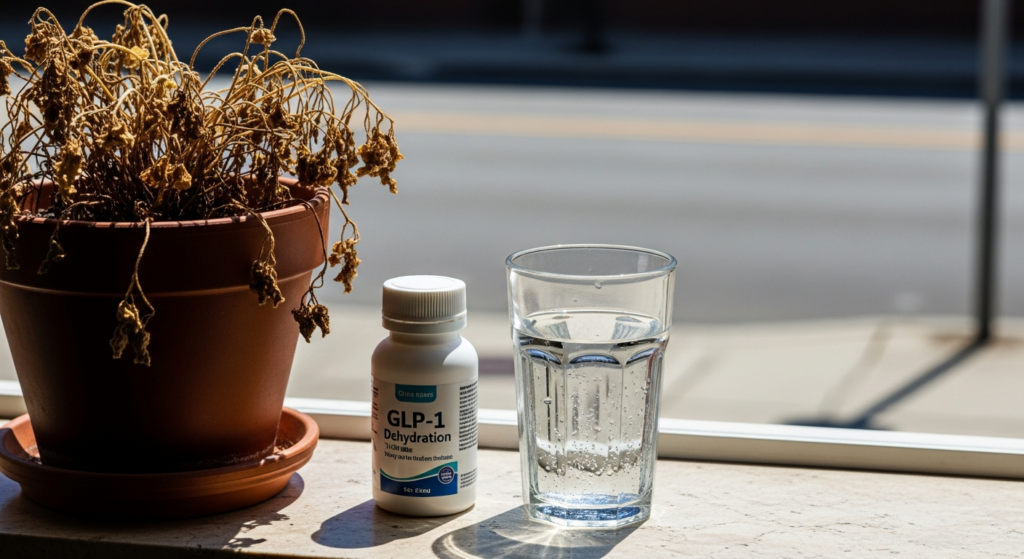
Medical professionals are advising individuals using GLP-1 receptor agonist medications, commonly prescribed for type 2 diabetes and weight management, to prioritize hydration and remain vigilant for symptoms of heat-related illness. The warning comes as health coverage and local broadcasts highlight a growing concern about the interplay between these medications, appetite suppression, fluid intake, and the challenges posed by hot weather.
GLP-1 drugs, such as semaglutide and tirzepatide, work by mimicking a natural hormone that slows gastric emptying, increases feelings of fullness, and reduces appetite. While effective in managing blood sugar and promoting weight loss, these mechanisms can inadvertently lead to reduced fluid consumption. Patients may feel less thirsty or simply forget to drink enough water due to a general decrease in appetite and sensation of hunger or thirst.
This reduced fluid intake becomes particularly hazardous during periods of extreme heat, a common feature of Charleston summers. The human body naturally loses more fluids through sweating as it tries to regulate its temperature in high temperatures and humidity. If fluid intake does not compensate for this increased loss, dehydration can quickly set in. Symptoms can range from mild, such as fatigue, dizziness, and headache, to severe, including confusion, rapid heart rate, and even heat stroke, a life-threatening condition.
Healthcare providers emphasize that patients on GLP-1 medications should be proactive in their hydration strategies. This includes consistently drinking water throughout the day, even if they do not feel thirsty, and being especially mindful when engaging in outdoor activities. The medical community stresses the importance of consulting qualified clinicians for personalized medical decisions and advice regarding medication management and hydration protocols.
Local health professionals in Charleston are echoing these concerns, recognizing the unique environmental factors of the Lowcountry region. The combination of high temperatures and significant humidity during the summer months places an additional burden on the body’s thermoregulatory system, making adequate hydration even more critical for all residents, and particularly for those with underlying health conditions or on medications that affect fluid balance.
### Why it matters in Charleston
The warnings from medical professionals about dehydration risks for GLP-1 users hold particular relevance for the Charleston community, especially as the region navigates its typically hot and humid summer. Institutions like the Medical University of South Carolina (MUSC) and Roper St. Francis Healthcare serve a significant population, many of whom may be prescribed these medications for diabetes or weight management. Ensuring that patients are well-informed about hydration strategies is crucial for preventing heat-related illnesses and reducing strain on local emergency services. The proactive communication from healthcare providers helps safeguard public health by addressing a specific vulnerability exacerbated by Charleston’s climate, allowing individuals to continue their treatment safely while mitigating environmental risks.