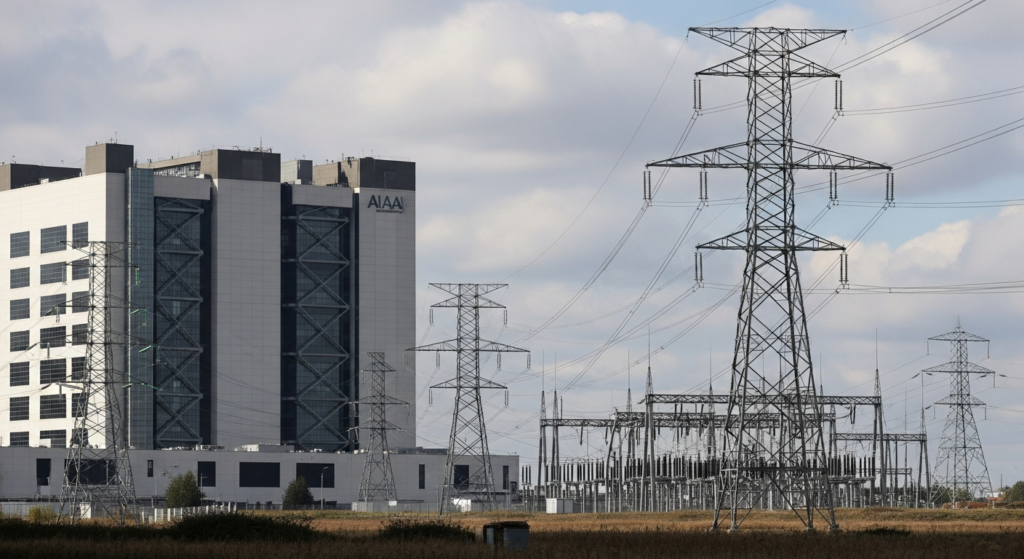
The rapid expansion of artificial intelligence technologies is fueling an unprecedented demand for data centers, placing significant new pressures on electricity grids and local planning authorities across the nation, including in Charleston. As companies race to build the computational backbone necessary for AI, the sheer power consumption of these facilities is reshaping site selection decisions and prompting critical conversations about energy infrastructure, land use, and economic strategy.
AI data centers are distinct from traditional data storage facilities due to their immense power requirements. The sophisticated processors and graphics processing units (GPUs) that drive AI models consume vast amounts of electricity, not only for computation but also for the intensive cooling systems needed to prevent overheating. This translates into a need for reliable, high-capacity power supplies, often requiring dedicated substations and robust transmission lines capable of delivering megawatts of power around the clock.
Globally, utility providers are grappling with how to meet this surging demand. Grid capacity, once a secondary consideration for many industrial developments, has become a primary determinant in where new data centers can be built. Regions with ample, affordable, and reliable power are becoming highly competitive targets for these energy-intensive operations. This trend forces local jurisdictions, including Charleston County, to evaluate their existing energy infrastructure and future expansion plans through a new lens.
For Charleston, a city experiencing ongoing growth and development, the implications are multifaceted. Local utility providers serving the Charleston area must anticipate and plan for potential surges in demand. This involves not only ensuring sufficient generation capacity but also upgrading and expanding transmission and distribution networks. Such infrastructure projects are typically long-term endeavors, requiring years of planning, permitting, and construction, making proactive engagement with this trend crucial.
Land use and zoning considerations also come to the forefront. AI data centers require substantial parcels of land, often several acres, to accommodate the facility itself, cooling infrastructure, and associated electrical equipment. These sites ideally need to be located away from dense residential areas due to noise and visual impacts, yet close enough to major fiber optic networks and high-voltage transmission lines. Identifying suitable industrial-zoned land within Charleston County or the broader Lowcountry region, which balances these requirements with environmental stewardship and community interests, becomes a key challenge for the Charleston County Government and local planning departments.
Economic development officials in Charleston are navigating the balance between attracting high-tech investment and managing the strain on local resources. While data centers can bring significant capital investment and some high-paying technical jobs, they are not typically large employers in terms of direct headcount compared to manufacturing plants or major institutions like the Medical University of South Carolina (MUSC) or The Boeing Company’s South Carolina operations. The economic benefits must be weighed against the costs of infrastructure upgrades, potential impacts on energy rates for existing businesses and residents, and environmental considerations, such as water usage for cooling systems.
The potential impact on ratepayers is another critical discussion point. If significant investments are required to bolster the local grid specifically for data center development, questions arise about how these costs will be distributed. Ensuring that existing residential and commercial customers, from small businesses in Harleston Village to large operations like Volvo Cars USA’s Ridgeville plant, are not unduly burdened by these infrastructure demands is a priority for regulators and utility oversight bodies.
Furthermore, the workforce implications extend beyond immediate construction jobs. Operating and maintaining modern data centers requires a specialized talent pool, including IT professionals, electrical engineers, and skilled technicians. While the College of Charleston and The Citadel contribute to a robust local talent pipeline, ensuring that the region can supply the specific skills needed for advanced data center operations could become an area of focus for local educational and workforce development initiatives.
As of July 2026, the discussions around AI data center growth and its energy footprint are ongoing, shaping how cities like Charleston approach future economic and infrastructure planning. The global push for AI capabilities means that local communities must increasingly consider their energy resilience and land-use strategies in light of these powerful new demands.
### Why it matters in Charleston
The escalating demand for AI data centers directly impacts Charleston by intensifying the focus on the capacity and resilience of the region’s energy infrastructure. For entities like the Charleston County Government and major employers such as The Boeing Company and Medical University of South Carolina (MUSC), ensuring a stable and sufficient power supply is paramount for continued operations and future growth. The need for extensive grid upgrades and strategic land planning for potential data center sites could influence local economic development priorities, utility rates for all residents and businesses, and the long-term environmental sustainability of the Lowcountry region. Proactive planning is essential to manage these complex demands while supporting Charleston’s ongoing development.