Freshwater fishing continues to attract a growing number of participants across the United States, with an estimated 40 million individuals now engaging in the activity. For those new to the sport or looking to refine their approach, understanding fundamental gear, bait, and location strategies is key to a successful outing, whether on the Ashley River or a quiet pond in Charleston County.
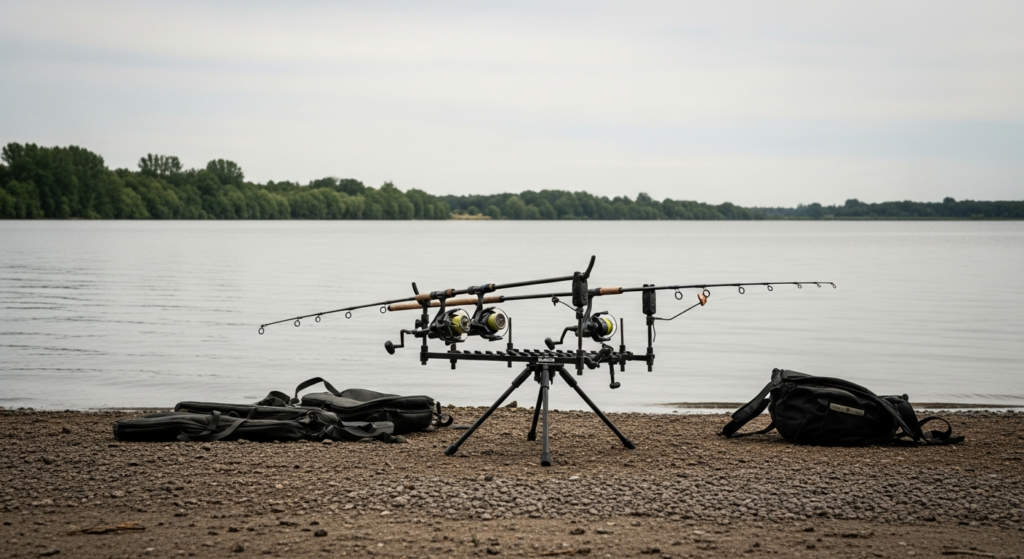
Embarking on a freshwater fishing journey begins with selecting the right equipment. For novices, simplicity and versatility are paramount. A 6’6” spincast rod paired with a 150-size spincast reel offers an excellent starting point. Spincast reels are known for their ease of use, making them forgiving for those still developing casting techniques. The enclosed spool minimizes tangles, a common frustration for beginners, and the push-button release simplifies casting. This setup is particularly effective for targeting smaller, common freshwater species found in many local ponds and slower-moving sections of rivers around Charleston.
Another highly recommended option for beginners is a 6’6” spinning rod with a 2000-size spinning reel. Spinning setups are arguably the most versatile, capable of handling a wide range of lure weights and fishing conditions. The open-face design allows for longer casts and greater sensitivity, which can be beneficial as anglers gain experience. The 2000-size reel strikes a balance between capacity and weight, suitable for species like bluegill, crappie, and even smaller largemouth bass. For those looking to tackle larger fish or employ heavier lures, a 7’ baitcasting rod with a 150-size casting reel provides increased power and precision, though baitcasting reels typically require more practice to master due to their free-spool design.
Regardless of the chosen rod and reel, the fishing line is a critical component. For beginners, 10 lb. monofilament or nylon line is widely recommended. Monofilament line offers a good balance of strength, abrasion resistance, and stretch, which can act as a shock absorber when a fish strikes. Its relative invisibility in water and ease of knot tying make it an ideal choice for those learning the ropes. This line weight is robust enough to handle most common freshwater species without being overly cumbersome.
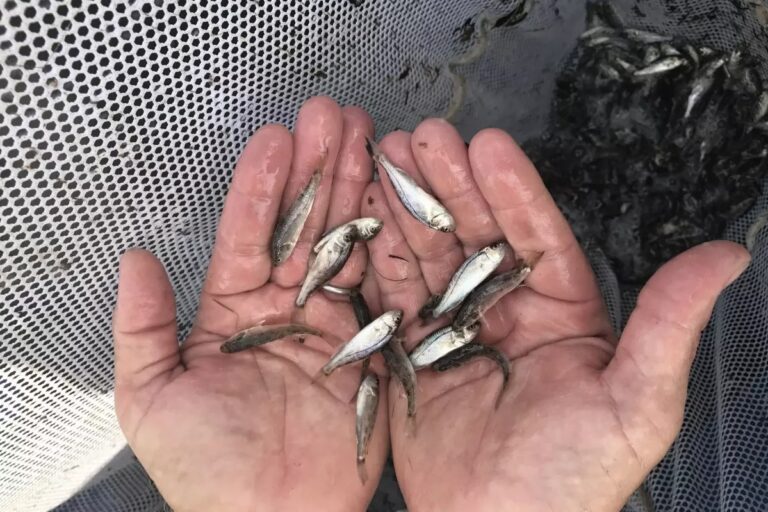
When it comes to bait, simplicity often yields the best results for new anglers. Live worms, such as nightcrawlers or red wigglers, are universally effective and appeal to a broad spectrum of freshwater fish, including bluegill, sunfish, crappie, and catfish. Their natural movement and scent are irresistible to many species. Live minnows are another highly effective option, particularly for predatory fish like largemouth bass and crappie. Both worms and minnows are readily available at local bait and tackle shops, making them convenient choices for a spontaneous fishing trip in Charleston County.
Beyond live bait, a small selection of versatile lures can significantly expand an angler’s capabilities. Beginner-friendly lure categories include topwater lures, which float on the surface and mimic injured prey; jerkbaits, designed to be retrieved with a stop-and-go motion; and crankbaits, which dive to various depths when reeled in. Bottom baits, such as a Texas Rig or a jig, are excellent for targeting fish holding near the bottom structure. Vibrating jigs, also known as bladed jigs, combine the flash and vibration of a spinnerbait with the profile of a jig, making them highly effective in various conditions.
Specific lure recommendations for beginners include a soft 5” stickbait, which can be fished weightless or with light rigging to imitate a dying baitfish. A 3/8oz spinnerbait, with its flashing blades and pulsating skirt, is a proven fish catcher, especially for bass and pike. Shallow running crankbaits, designed to dive 0-5 feet, are ideal for covering water and finding active fish in shallower areas of ponds and lakes. Lastly, a hollow body frog lure is excellent for fishing over dense vegetation or lily pads, mimicking a frog or mouse struggling on the surface.
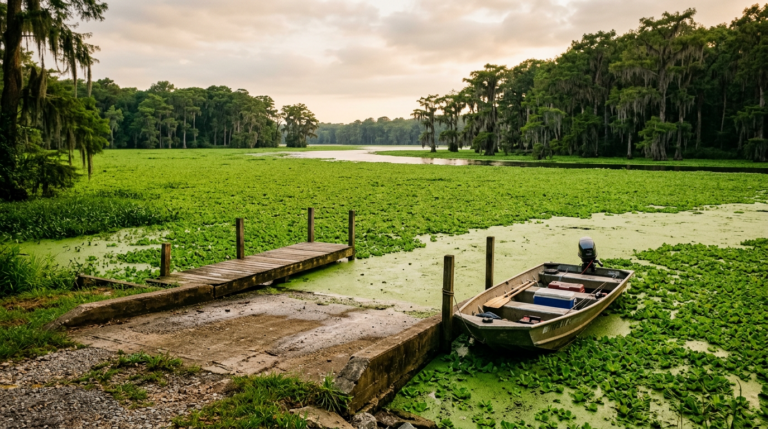
Finding productive fishing spots is often a matter of research and local knowledge. A state’s Department of Natural Resources, such as the South Carolina Department of Natural Resources (SCDNR), is an invaluable resource, providing information on public access points, fish stocking programs, and species distribution. Local tackle stores in the Charleston area are also excellent sources of up-to-date information on hot spots and effective local tactics. Free fishing message boards and specialized fishing apps can offer community-sourced insights and detailed maps. Before heading out, it is essential for anglers to check state regulations and purchase a fishing license online, ensuring compliance with local laws.
Freshwater fishing opportunities vary depending on the body of water. Pond fishing, often more accessible and less intimidating for beginners, can yield a diverse catch including bluegill, crappie, sunfish, catfish, or largemouth bass. Ponds typically offer calmer waters and predictable fish habitats. Lake fishing, on the other hand, presents a broader range of environments. Anglers can target shallow-water species along the banks and in coves, or venture into deeper open water for species like lake trout and walleye, though these are less common in the immediate Charleston area.
Fish activity can vary significantly with environmental conditions. While specific seasonal patterns influence fish behavior, general weather conditions like overcast skies or light rain often stimulate feeding, making these periods productive for anglers. Conversely, extreme heat can make fish less active, driving them to deeper, cooler waters or denser cover. Understanding these general responses allows anglers to adjust their strategies, whether by changing lure depth or fishing times, to increase their chances of success.
Why it matters in Charleston
For residents of Charleston and the surrounding Lowcountry, freshwater fishing offers an accessible and engaging way to connect with the region’s abundant natural resources. The Ashley River, Cooper River, Wando River, and Stono River, along with numerous ponds and smaller waterways throughout Charleston County, provide ample opportunities for anglers of all skill levels. Institutions like the South Carolina Department of Natural Resources play a crucial role in managing these fisheries, ensuring sustainable populations and public access. The popularity of fishing contributes to the local economy, supporting bait and tackle shops, guide services, and outdoor recreation businesses, while also fostering a deeper appreciation for the unique aquatic ecosystems that define the Charleston landscape.