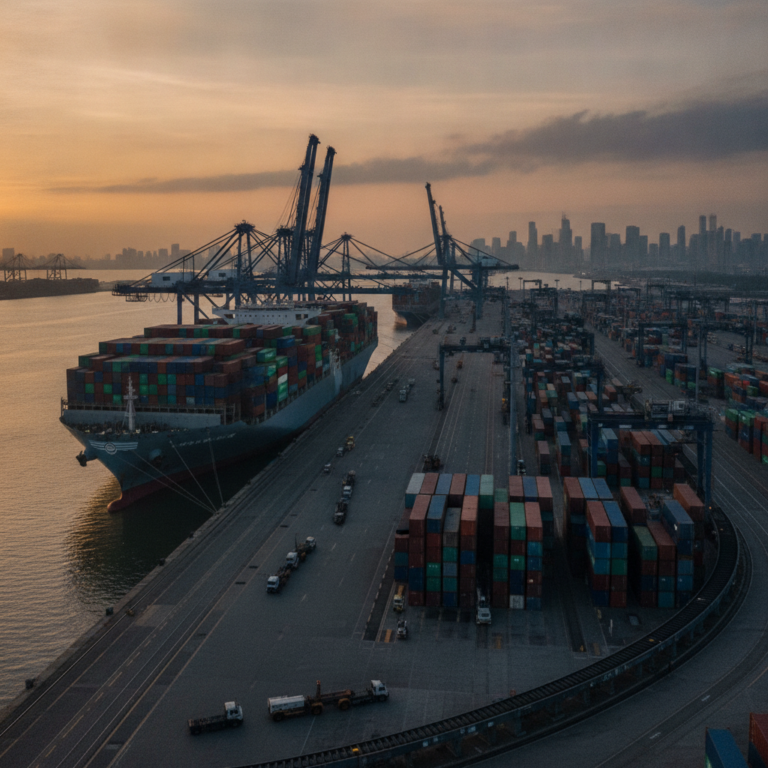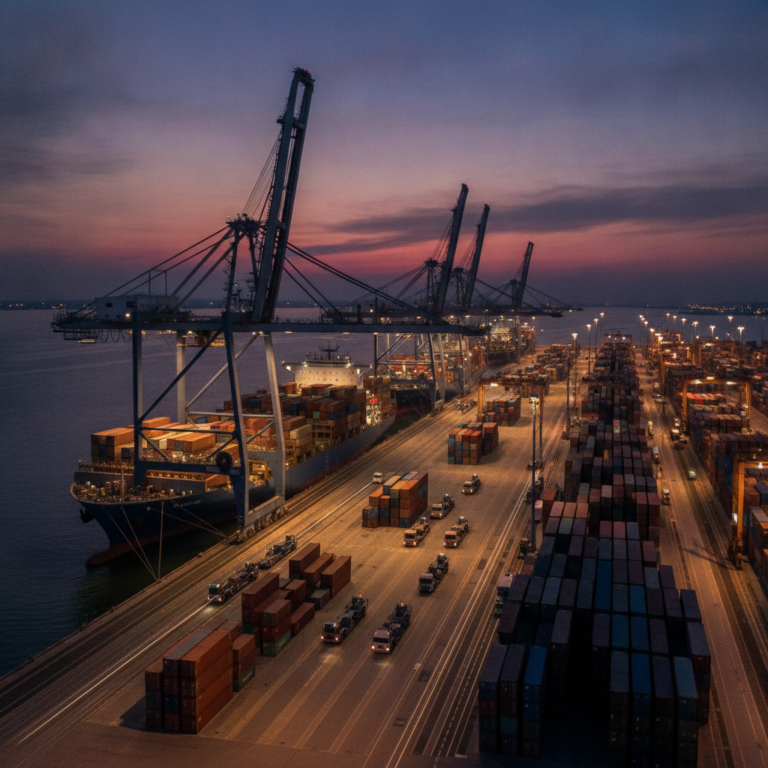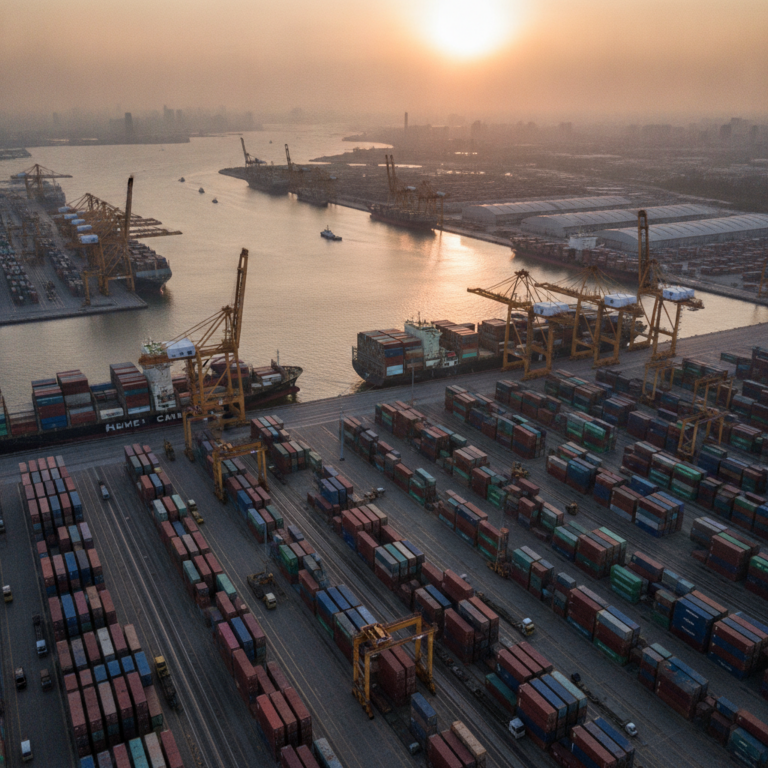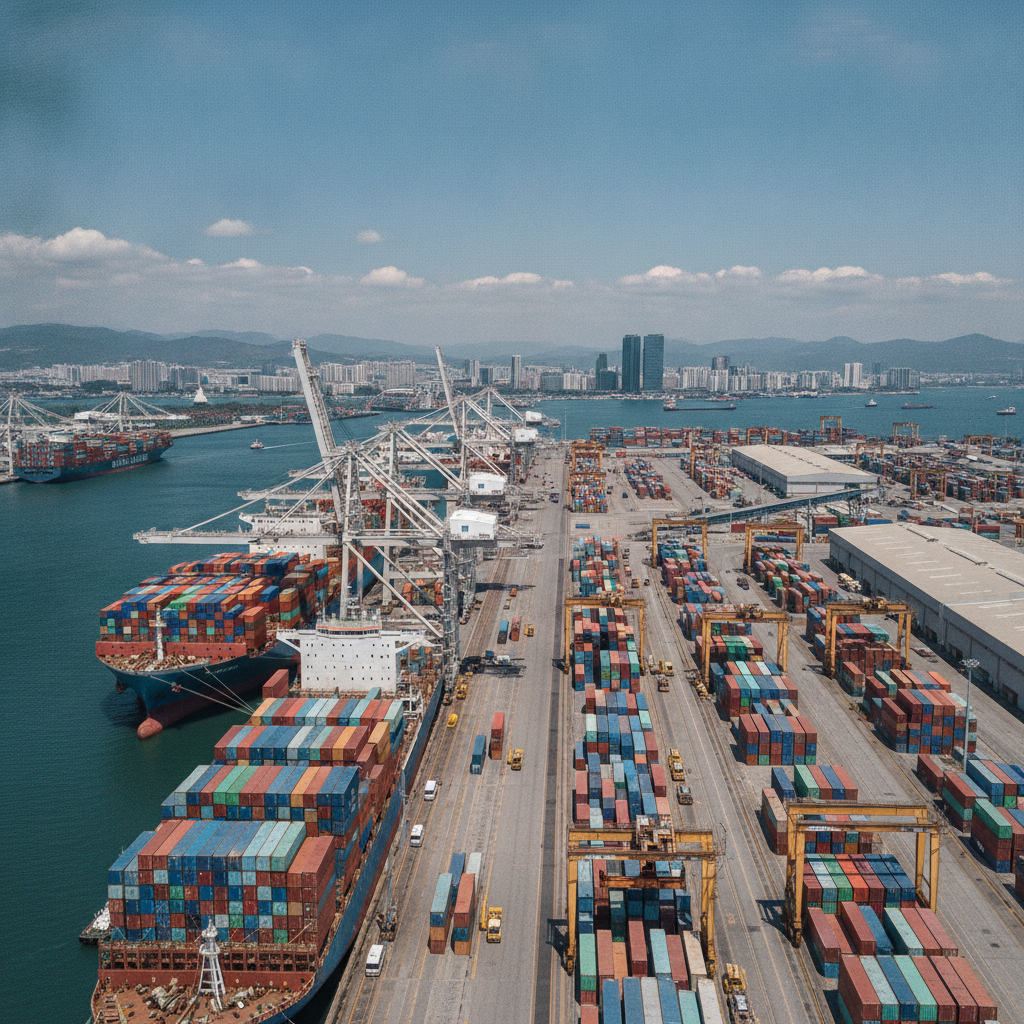
The Port of Charleston is participating in a study to model a nuclear-powered shipping corridor between the United States and the United Kingdom, a development announced this week. This initiative involves Danish shipping firm A.P. Moller – Maersk and Lloyd’s Register, alongside the Port of Felixstowe.
This local involvement comes as international discussions continue regarding alternative fuels and emissions reductions in the shipping industry. The International Maritime Organization’s (IMO) 22nd Intersessional Working Group on Reduction of Greenhouse Gas Emissions from Ships (ISWG-GHG 22) met in London from September 1-4 to discuss the future of its Net-Zero Framework (NZF).
Divisions persist among member states regarding the ambition, costs, and fuel pathways for the NZF. Several proposals are under consideration, including submissions from Liberia, Tuvalu, Brazil, and a joint effort by Australia, Canada, South Africa, and the UK. Japan also submitted a proposal, but it could not be formally adopted at MEPC 85 due to submission timing.
Panama’s ambassador to the IMO, Ginette Testa, presented a joint Liberia-Panama proposal to African representatives during the recent working group session. This proposal suggests removing greenhouse gas pricing and instead setting Greenhouse Gas Fuel Intensity (GFI) reduction targets. These targets would be based on the affordability, availability, and scalability of low-emission fuels, with a review scheduled every five years. Testa indicated this approach would support decarbonization while safeguarding global trade and considering challenges faced by developing nations.
Ahead of the meeting, US Federal Maritime Commissioner Laura DiBella expressed support for liquefied natural gas (LNG) and liquefied biomethane (LBM) as long-term shipping fuels. DiBella highlighted that LBM can utilize existing LNG infrastructure and vessels. She cautioned against proposals that might limit alternative fuel sources, stating that such restrictions would hinder the NZF’s effectiveness.
Conversely, some climate groups have voiced concerns about potentially diluted global frameworks. The Clean Shipping Coalition (CSC) criticized the Liberia-Panama and Japanese proposals, arguing they could weaken financial incentives for transitioning away from conventional fuels. CSC also described Brazil’s proposal as a weaker and more expensive option. The group favored a proposal from Pacific IMO members for a levy on all shipping emissions, believing it would provide strong incentives and sufficient funding for the transition, though they view the existing NZF as the most likely compromise.
Equal Routes warned against favoring LNG and LBM without fully accounting for their lifecycle methane emissions. A co-director for Equal Routes, Andrew Dumbrille, stated that giving an advantage to methane-based fuels could lock in methane emissions for decades. He emphasized that lifecycle assessment guidelines should include sustainability criteria, real-world methane emission factors, and account for indirect land-use change from biogenic fuel production.
Meanwhile, fuel producer groups are advocating for regulations that stimulate demand for low- and zero-emission fuels. The Global Methanol Alliance noted that 54 green and blue methanol plants are operational or under construction, but stressed the need for regulatory certainty and sufficient demand to scale production and reduce costs. The Climate Ethanol Alliance called for the framework to recognize renewable ethanol, citing its existing production scale, supply chains, and marine engine technology compatibility.
The final form of the NZF remains dependent on IMO member states, with no clear consensus yet on which approach will garner enough support. Discussions will continue at the next ISWG-GHG session in November, followed by MEPC 85 from November 30 to December 3. If a final text is agreed upon, amendments could be formally adopted at a resumed extraordinary session anticipated on December 4.