Effective preseason preparation is crucial for a successful and safe deer hunting season. A comprehensive checklist emphasizes meticulous attention to gear, environmental scouting, and personal readiness, ensuring that hunters are well-equipped for the challenges of the field.
Weapon and optics inspections form the foundation of any hunter’s preparation. For bowhunters, this involves a thorough examination of the bow itself. Worn or separated limbs, cams, and strings must be identified and addressed. Regular waxing of strings is recommended to maintain their integrity and performance. Any questionable components should be replaced proactively to prevent failures during critical moments. Consistent shooting practice is also highlighted as essential for building and maintaining accuracy, ensuring that hunters are proficient with their equipment when it matters most.
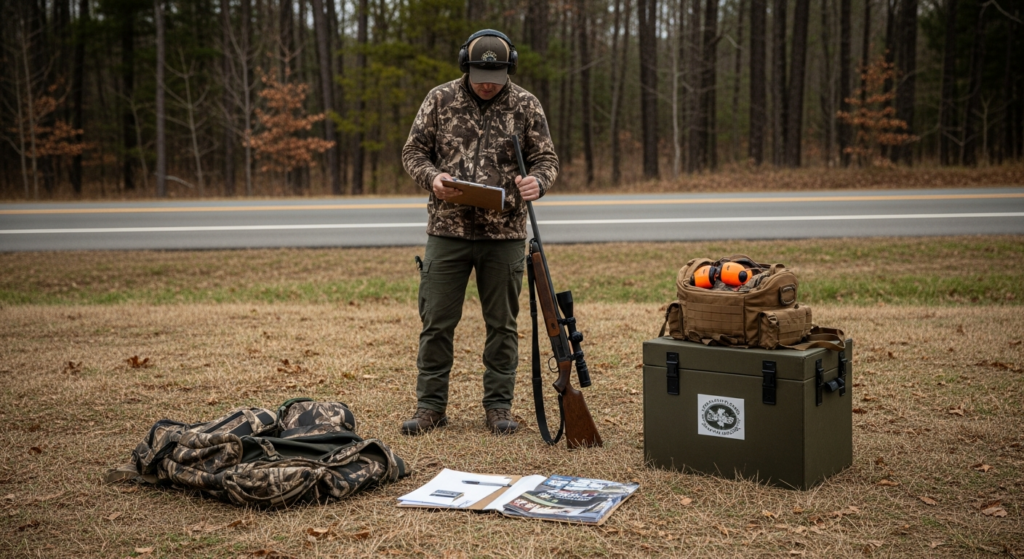
Rifle hunters, similarly, must dedicate time to their firearms. Cleaning and oiling rifles are fundamental steps to ensure smooth operation and prevent corrosion. Checking scope mounts for tightness and alignment is vital, as even minor shifts can drastically affect accuracy. Confirming the rifle’s zero at a shooting range is non-negotiable, allowing hunters to verify their rifle’s point of impact at various distances. For those using arrows, an arrow spinner is an invaluable tool for checking broadhead straightness and alignment. A wobbling broadhead can lead to erratic arrow flight, compromising accuracy and ethical harvesting.
Beyond weapons, personal gear, particularly clothing and footwear, requires careful attention. All hunting clothing should be washed with scent-free detergent to minimize human odor, which can alert deer to a hunter’s presence. A detailed inspection for holes, worn seams, and fading is necessary, as compromised clothing can lead to discomfort or exposure. New footwear should be broken in well before the season to prevent blisters and discomfort during long treks. Verifying the waterproofing of boots and outerwear is also critical, especially given the unpredictable weather conditions that can arise. Additionally, treating clothing with permethrin is recommended when needed, offering protection against tick-borne illnesses prevalent in many hunting areas.
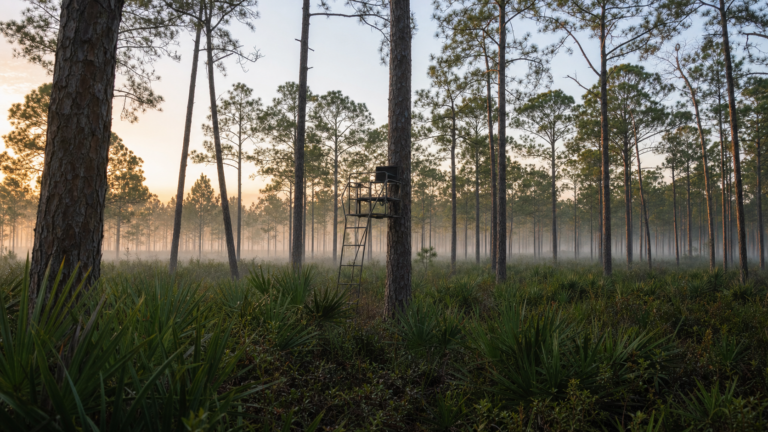
Treestand safety is paramount and demands rigorous inspection. Treestands, ladder stands, and climbing sticks must be thoroughly checked for signs of rust, loose fasteners, cracks, or frayed straps. Any component showing wear or damage should be repaired or replaced immediately. A full-body harness, used in conjunction with a lifeline, is an indispensable safety device that must be tested and confirmed to be in good working order. Proper stand placement is another strategic element. The guide recommends identifying natural pinch points, funnels, creek crossings, and staging areas near food or bedding. Special attention should be given to locations where bucks are likely to feel secure moving during daylight hours. Hanging stands as early as possible allows deer to acclimate to their presence. When trimming shooting lanes, a conservative approach is advised to minimize noise and exposure, and all methods used should be quiet and scent-free.
Navigation and map scouting have been revolutionized by modern technology. Hunters are encouraged to charge handheld GPS units or download reliable mapping applications to their smartphones. Map scouting involves studying contour lines to identify saddles, ridges, and draws that deer frequently use for travel. Identifying creeks, ponds, and low spots can reveal crucial water sources, especially valuable on hot days. Satellite maps are excellent for marking agricultural fields, oak stands, and natural browse areas, which are key food sources. Evaluating trailheads and access points is essential for planning entry and exit routes that avoid spooking deer, taking into account different wind conditions. The Xtra mapping add-on, available for REVEAL plans starting at $4 per month, enhances these capabilities by providing property boundaries, property information, landowner names and addresses, shape and path drawing tools, custom pins, and on-the-ground navigation tools, offering a significant advantage for hunters navigating unfamiliar or private lands.
Trail camera deployment is a critical component of preseason scouting, providing valuable insights into deer movement and patterns. Suggested locations for cameras include mineral licks, which can help inventory deer populations and establish early patterning. Placing cameras on bedding-to-feeding trails captures routine movement, while field edges and corners are ideal for monitoring evening activity over food sources. Water sources are particularly valuable camera locations, especially on hot days or during the rut, as deer frequently seek hydration. Before deployment, several technical steps are necessary. Batteries should be fully charged, and SD cards, if used, should be formatted and labeled. Testing the field of view, motion activation, flash, and other settings ensures optimal performance. Cellular cameras require activation and updating before leaving for the field, and hunters should use the most recent version of the REVEAL app for seamless operation. It’s worth noting that Ultra and REVEAL 3.0 series cameras feature internal memory, making SD cards optional.
Finally, camp and personal preparation round out the preseason checklist. Inspecting tents and campers for wear, missing stakes, cracked poles, or other missing items ensures comfortable and functional shelter. Washing or airing out sleeping bags and pillows contributes to hygiene and comfort. Filling camping-stove fuel canisters and checking that all cutlery is present prevents frustrating oversights. Practicing shooting in hunting clothes helps hunters become accustomed to the feel and movement restrictions of their gear. A thorough check of packs should confirm the presence of tags, snacks, water, a valid hunting license, and a first-aid kit. Coordinating plans with private-land owners is essential for those hunting on leased or permission-based properties. Lastly, getting in shape for long hikes and climbs is a personal commitment that can significantly impact endurance and overall hunting success.
Why it matters in Charleston
For residents of Charleston and the wider Lowcountry region, engaging in responsible hunting practices is a long-standing tradition that connects them to the natural environment. The detailed preseason preparation guide offers practical advice directly applicable to the diverse landscapes found across Charleston County, from the riverine areas along the Ashley River and Cooper River to the more rural expanses. Emphasizing safety through rigorous equipment checks and physical conditioning ensures that individuals participating in deer season do so without undue risk, protecting themselves and others. The focus on ethical hunting, including understanding deer movement and proper shot placement, contributes to sustainable wildlife management, a critical aspect for maintaining the ecological balance of the region’s natural resources. This comprehensive approach helps ensure that the Lowcountry’s hunting heritage can be enjoyed safely and responsibly for years to come.