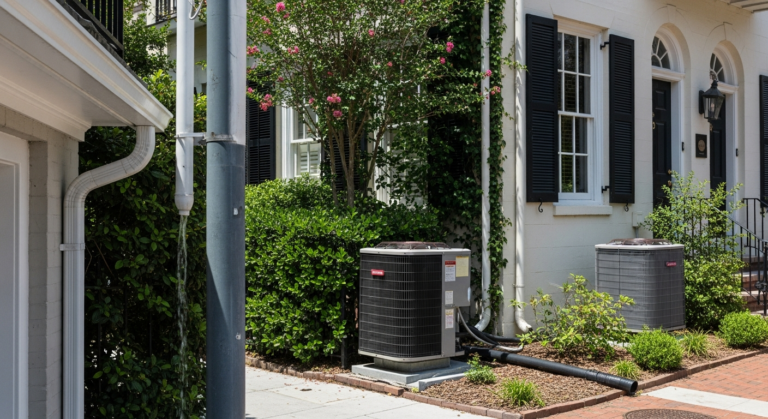
A comprehensive guide detailing home preparation and safety measures for severe weather and natural disasters has been released, providing residents with actionable checklists to navigate a range of potential threats. The resource covers pre-storm tasks, emergency kit essentials, safety protocols during outages, and post-storm damage assessment, offering a structured approach to home resilience.
Ahead of any severe weather event, the guide underscores the importance of proactive exterior maintenance. Homeowners are advised to conduct thorough inspections of their roofs, specifically checking for missing or damaged shingles that could compromise structural integrity during high winds or heavy precipitation. Sealing gaps around windows and doors is also recommended to prevent water intrusion, a common issue during intense rainfall. Furthermore, cleaning and securing gutters and downspouts are highlighted as crucial steps to ensure proper water drainage and mitigate the risk of water damage to foundations or potential ice dam formation in colder conditions.
Beyond the immediate structure, the guide recommends trimming nearby tree branches that could pose a hazard to homes or power lines. Anchoring outdoor items, such as patio furniture, grills, and decorative elements, is essential to prevent them from becoming projectiles in strong winds. Protecting windows, either with storm shutters or plywood, is another key preparatory step. For vehicles, sheltering them in a garage or a secure, elevated location can prevent damage from falling debris or floodwaters. Finally, a critical pre-storm task involves reviewing existing insurance coverage to understand what is protected and what may require supplemental policies, such as flood or earthquake insurance.
An adequately stocked emergency kit is a cornerstone of storm preparedness. The guide provides a detailed checklist, starting with at least one gallon of bottled water per person per day, sufficient for three or more days. Non-perishable food items, along with a manual can opener, are also essential. For illumination, flashlights, headlamps, and a generous supply of batteries are recommended. A well-stocked first-aid kit, along with any necessary prescription medications, should be readily accessible. Communication and information tools include a weather radio, phone chargers, and backup power sources. Important documents, such as insurance policies, identification, and medical records, should be stored in waterproof bags. Cash, blankets, extra clothing, sturdy shoes, and hygiene supplies complete the recommended kit contents.
For specific winter weather scenarios and prolonged power outages, the guide offers additional advice. Insulating exposed pipes is crucial to prevent freezing and bursting, which can lead to significant water damage. Clearing gutters remains important to prevent ice dams, which can force meltwater under roofing. Keeping flashlights and backup heat sources, such as a generator, available is vital. When operating generators, the guide strictly advises doing so only outdoors in a well-ventilated area to prevent carbon monoxide poisoning. Safe snow removal practices, sealing drafts around windows and doors, and preparing blankets, warm clothing, or battery-powered fans for temperature regulation are also covered.
During power outages, safety remains paramount. If using space heaters, they should be kept at least three feet away from any flammable objects. Closing off unused rooms can help conserve heat in occupied areas. To prevent frozen pipes, allowing taps to drip slightly can maintain water movement. Conversely, during periods of extreme heat, the guide suggests employing ventilation strategies and, if indoor air temperature exceeds 95 degrees Fahrenheit, moving to a cooler location or a designated cooling center. These measures are particularly relevant in Charleston during the summer months, when high temperatures and humidity can exacerbate the challenges of power loss.
After a storm has passed, the guide emphasizes patience and caution. Residents should wait until immediate hazards, such as downed power lines, electrical dangers, and flooding, have subsided before venturing out. A systematic inspection of the property is then recommended, covering the roof, gutters, siding, windows, HVAC equipment, solar panels, ceilings, attic, and doors. Any visible damage should be meticulously documented with photos and detailed notes, which will be crucial for insurance claims. Making temporary repairs with tarps or boards can help prevent further damage while awaiting professional assistance.
Regarding insurance, the guide clarifies that most homeowners insurance policies typically cover storm-related damage from wind, hail, and fallen trees. However, it explicitly states that flood and earthquake damage usually requires separate, specialized policies. Reviewing coverage details with an insurer before a storm, and contacting them promptly after an event, can streamline the claims process and ensure homeowners understand their entitlements.
Why it matters in Charleston
The comprehensive storm safety guide holds particular relevance for Charleston, a city historically vulnerable to hurricanes and coastal flooding. With significant infrastructure, including the Medical University of South Carolina (MUSC) and numerous historic properties in neighborhoods like South of Broad and Harleston Village, robust home preparedness directly contributes to the resilience of the wider community. The detailed recommendations for pre-storm preparations, emergency kits, and post-storm recovery are critical for protecting both individual residences and the collective well-being of Charleston’s residents, especially as the region navigates the ongoing summer hurricane season. Adherence to these guidelines can mitigate property damage and enhance public safety across Charleston County.