Home maintenance during the summer months presents a recurring challenge for property owners, demanding diligent attention to both exterior and interior systems to prevent costly damage and ensure long-term structural integrity.
One of the most critical areas for inspection is the gutter system, which plays a vital role in diverting rainwater away from a home’s foundation. Neglecting gutters can lead to significant problems, as illustrated by a past incident in Olathe, Kansas, where clogged gutters caused water to pool around a foundation, ultimately shattering a window and flooding a basement. The homeowners faced an $8,000 repair estimate before opting for a $3,800 no-clog gutter system. Experts recommend inspecting gutters, gutter guards, downspouts, and extensions for any signs of looseness, corrosion, separation from the house, or ground erosion. Debris accumulation, overflows, and slow water flow are clear indicators of a problem. Crucially, all downspout extensions should direct water at least five feet away from the house to protect the foundation. While professional gutter cleaning typically costs around $150, a thorough cleaning is advised every five years, even for homes equipped with gutter guards.
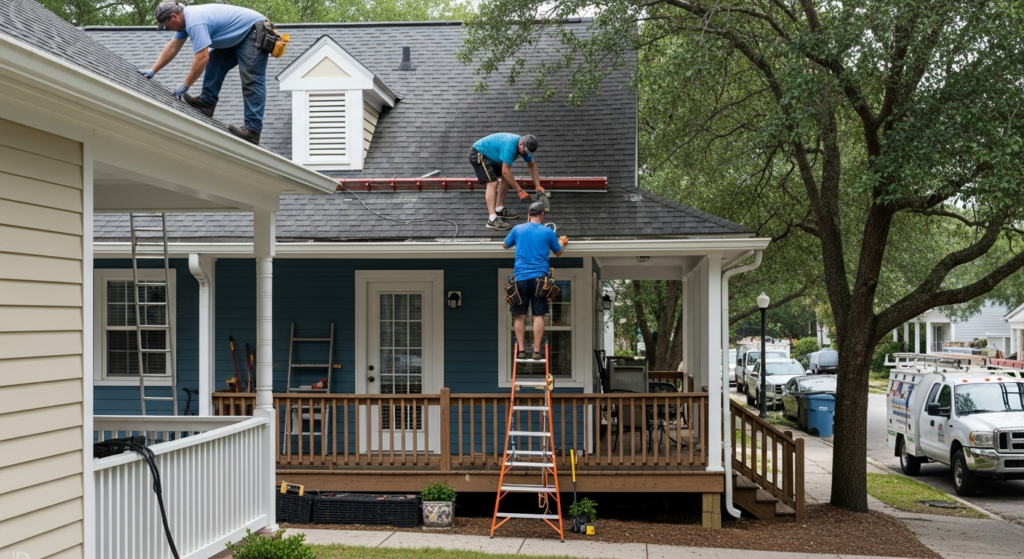
Roof integrity is another paramount concern, particularly in a region prone to intense weather. Summer roof checks should include a close examination for missing or loose shingles, which can compromise the roof’s protective layer. Attention should also be paid to seams and flashing, areas where water penetration is common, and to the seals around windows, chimneys, and other roof penetrations. Inside the attic, homeowners should look for signs of missing insulation, moisture, discoloration, or mold, all of which can indicate a compromised roof or ventilation issues. Due to the inherent risks and specialized knowledge required, roof repairs are almost universally recommended for professionals.
Decks, often a focal point for outdoor living during the summer, require annual maintenance to remain safe and aesthetically pleasing. Property owners should check for mold, mildew, popped screws, loose boards, areas of softness, and any wobbling in the structure. A yearly scrubbing with soapy water can help remove surface grime and prevent buildup. Resealing schedules vary depending on the finish: clear sealants often need annual reapplication, semi-transparent stains typically last two or three years, and opaque solid stains can provide protection for three to five years.
Exterior painting is a significant undertaking that can protect a home’s siding and enhance its curb appeal. The beginning or end of summer, when temperatures are consistently between 50 and 90 degrees Fahrenheit, is often considered the optimal time for such projects. Proper preparation, including sanding, scraping, and filling any imperfections, is essential for a durable finish. A high-quality exterior paint job, executed with meticulous preparation, should last approximately 10 years.
Beyond these major tasks, several other outdoor maintenance items warrant attention. Gas grills should be cleaned once per season to ensure safe operation. Irrigation systems need regular checks to ensure efficient water delivery. Managing weeds, refreshing mulch, and inspecting hoses, outdoor faucets, windows, and screens are also important to maintain property condition and prevent minor issues from escalating.
Indoor systems also demand care during the warmer months. Changing HVAC filters regularly is crucial for maintaining indoor air quality and system efficiency. Clearing dryer vents not only improves appliance performance but also significantly reduces fire hazards. Range-hood filters should be cleaned after soaking them for about 20 minutes in soapy water. Cleaning refrigerator coils helps the appliance run more efficiently and extends its lifespan. Checking attic insulation and seals contributes to better energy efficiency, and maintaining indoor humidity levels between 30% and 50% can prevent mold growth and discomfort. Persistent moisture or mold issues indoors warrant a professional HVAC inspection.
For many homeowners in Charleston, the approach to summer projects involves a strategic balance between do-it-yourself efforts and hiring professionals. This trade-off between time and money is a common consideration. For instance, a homeowner in Virginia Beach, Daniel Morgan, opted to demolish a fence himself while hiring professionals for its installation and to open his pool. He also engaged a neighborhood teenager to power-wash concrete surfaces, which he then resealed himself. This hybrid approach allows homeowners to leverage their own skills and time for certain tasks while entrusting more complex or labor-intensive jobs to experts, optimizing their budget and ensuring quality outcomes.
Why it matters in Charleston
For homeowners across Charleston, diligent summer maintenance is not merely about aesthetics or convenience; it is a critical investment in property longevity and resilience. The unique environmental conditions of the Lowcountry, including high humidity, salt air, and the persistent threat of tropical storms and hurricanes, accelerate wear and tear on homes. Properties in historic neighborhoods like South of Broad or Harleston Village, many of which are decades or even centuries old, are particularly vulnerable to moisture intrusion and structural degradation if not meticulously maintained. Neglecting tasks like gutter cleaning or roof inspection can lead to extensive water damage, mold growth, and costly repairs, impacting both individual property values and the broader architectural heritage that the Charleston County Government works to preserve. Proactive maintenance helps safeguard these valuable assets against the elements and ensures the safety and habitability of homes throughout the community.