Homeowners in Charleston are being reminded to prioritize a range of maintenance tasks and safety precautions as the summer season continues, with experts highlighting common pitfalls that can lead to significant property damage or personal injury. A comprehensive checklist covers everything from outdoor equipment safety to indoor humidity management, underscoring the importance of proactive care during the warmer months.
Landscaping activities, a common summer chore, are responsible for a substantial number of emergency room visits each year. Nationally, nearly 320,000 people seek emergency medical attention annually due to injuries connected to lawn and gardening equipment. To mitigate these risks, individuals are advised to learn the proper operation of all equipment, wear appropriate safety gear such as eye protection, gloves, and sturdy footwear, and take frequent breaks, especially during peak heat. Staying aware of one’s surroundings, checking for children, pets, or hidden objects before operating machinery, is also crucial. Beyond personal safety, proper soil grading is recommended to ensure that the ground declines slightly away from the home within the first 10 feet. This helps prevent water accumulation near foundations, a common cause of structural issues and moisture intrusion. Additionally, removing standing water from buckets, plant pots, and low areas helps control mosquito populations and reduces the risk of mold growth.
For properties with pools, diligent maintenance is essential for both safety and preventing expensive repairs. Approximately one in 20 pools nationwide has a detectable leak, which can lead to costly damage and, in severe cases, dangerous sinkholes. Before the full swing of pool season, cleaning the filter is a recommended first step. Regularly cleaning the pump filter after unplugging and shutting off the pump ensures efficient operation. To check for leaks, a simple method involves placing a five-gallon bucket filled with water on a pool step and marking the water levels inside and outside the bucket; if the pool’s water level drops significantly more than the bucket’s over a 24-hour period, a leak is likely present. Inspecting trees near or over the pool for dead branches or potential fall hazards is also a critical safety measure.
Exterior maintenance extends beyond the pool area. Cleaning gutters and downspouts is vital to ensure proper water drainage, and rechecking them after rainstorms can confirm their effectiveness. Playsets, often heavily used by children during the summer, require regular inspection. This includes tightening nuts and bolts, oiling moving parts, checking protective caps and plugs, and replacing any warped, cracked, or deteriorated components. Nationally, about 50,000 children go to emergency rooms each year for playground injuries, with approximately 80% of those injuries resulting from falls. Pressure washing can remove mold and mildew that thrive in Charleston’s humid climate, improving curb appeal and preventing surface degradation. A professional roof inspection for shingle damage and water leaks can identify issues before they escalate, and repairing chipped paint or rotted wood protects the home’s structural integrity and appearance.
Outdoor cooking and entertaining also come with specific safety considerations. Gas, electric, and charcoal grills should always be placed at least three feet away from children and pets, as well as from homes, deck railings, and tree branches. Grills should never be left unattended while in use. Regular cleaning, including emptying grease traps, is crucial to reduce the risk of flare-ups and dangerous grease fires. Similarly, fire pits and campfires require careful management. Keeping a hose or a five-gallon bucket of water nearby is a recommended precaution. Fires should never be left unattended and must be fully extinguished before leaving the area. Limiting fires to three feet in diameter and two feet in height, using a stone- or brick-confined pit or a portable outdoor fireplace with a screen, and removing all flammable materials and leaves from the surrounding yard are essential safety practices.
Inside the home, attention to detail can prevent theft and mitigate environmental damage. Maintaining and properly locking the garage door is a key security measure, and removing valuables from vehicles parked in the garage can deter opportunistic theft. Monitoring indoor humidity levels with a hygrometer is particularly important in Charleston, where high humidity is common during the summer. The recommended indoor humidity level ranges from 30% to 60%. Higher humidity can significantly increase the risk of mold growth, wood rot, and pest infestations, all of which can lead to costly repairs and potential health issues. Using a dehumidifier when needed can help maintain optimal indoor conditions.
Finally, ensuring the efficiency and reliability of air conditioning systems is paramount for comfort and health during the hot weather. The checklist recommends having a licensed HVAC technician inspect an air-conditioning system or window units before the hot weather sets in. Scheduling these inspections before the busy season begins can ensure timely service and prevent breakdowns when the system is most needed.
Why it matters in Charleston
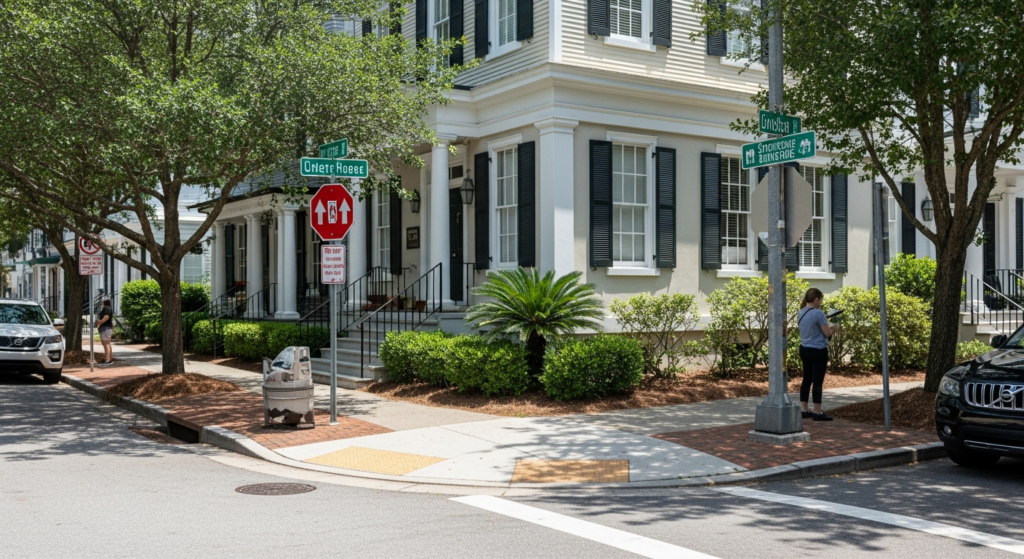
Adhering to a comprehensive home maintenance and safety checklist is particularly pertinent for residents of Charleston. The city’s unique climate, characterized by warm, humid summers, can accelerate wear and tear on properties and create conditions conducive to mold and pest issues if not properly managed. Proactive maintenance not only safeguards individual homes and families from injuries and costly repairs but also contributes to the overall aesthetic and property values of historic neighborhoods like Ansonborough. Furthermore, preventing common accidents, such as playground injuries or heat-related incidents, reduces the burden on local healthcare providers such as Roper St. Francis Healthcare, allowing resources to be focused on other community health needs. A well-maintained home contributes to the safety and well-being of the entire Charleston community.