National forecasters, including Good Housekeeping and AccuWeather, have identified a significant heat trigger expected this July, prompting renewed attention to outdoor plant care. The anticipated heat dome event underscores the importance of proactive measures for maintaining garden beds, container plants, and patio greenery.
For homeowners and gardeners in Charleston, where summer temperatures and humidity are consistently high, adapting watering and shading practices is crucial. The primary advice centers on several key strategies designed to mitigate the stress on plants during prolonged periods of intense heat.
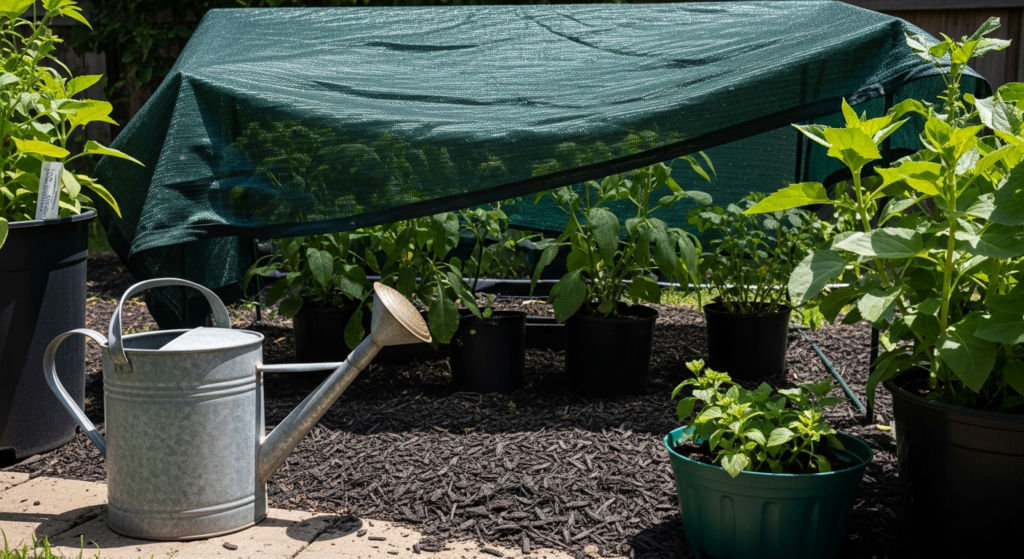
One of the most critical recommendations is to water deeply and less frequently, rather than shallowly and often. Deep watering encourages roots to grow further into the soil, making plants more resilient to dry conditions at the surface. The optimal time for watering is typically in the early morning, before the sun’s intensity increases, which minimizes evaporation and allows the water to penetrate effectively. Watering late in the evening can leave foliage wet overnight, potentially fostering fungal growth in the humid Charleston climate.
Shade is another vital tool for protecting sensitive plants. Temporary shade structures, such as shade cloths or even strategically placed patio umbrellas, can shield delicate plants from the harshest midday sun. For garden beds, planting taller, more heat-tolerant species to provide natural shade for smaller, more vulnerable plants can also be an effective long-term strategy. Mulching garden beds with organic materials like pine straw or wood chips helps retain soil moisture, regulate soil temperature, and suppress weeds, all of which are beneficial during a heat wave.
Container plants, due to their limited soil volume, are particularly susceptible to heat stress. Moving these containers to shadier locations during the hottest parts of the day, such as under a porch or a tree, can make a significant difference. Elevating containers slightly can also improve air circulation around the pot, preventing the soil from overheating. Regularly checking the moisture level in containers is essential, as they tend to dry out much faster than in-ground plantings.
Finally, avoiding strenuous outdoor work during the midday hours is advisable for both plants and people. The intense summer sun can stress newly disturbed plants, and working in extreme heat poses health risks. Instead, gardening tasks like pruning, planting, or fertilizing should be reserved for the cooler parts of the day, typically early morning or late afternoon.
### Why it matters in Charleston
The ability to maintain vibrant green spaces is a significant aspect of life in Charleston, a city celebrated for its historic gardens and lush public parks. From the meticulously kept grounds of the College of Charleston to the expansive landscapes of Waterfront Park and Marion Square, the city’s aesthetic relies heavily on healthy flora. Local residents and institutions alike face the perennial challenge of preserving plant life through the intense summer heat. Adopting these protective measures not only helps individual gardens thrive but also contributes to the overall beauty and environmental resilience of Charleston’s urban and suburban landscapes, ensuring that the city’s green heritage endures.