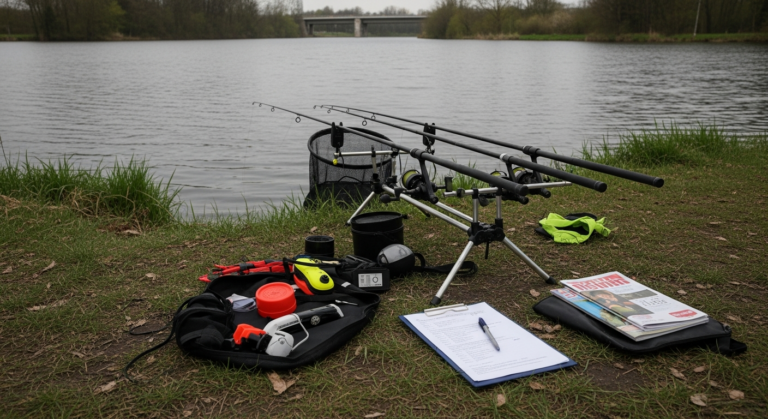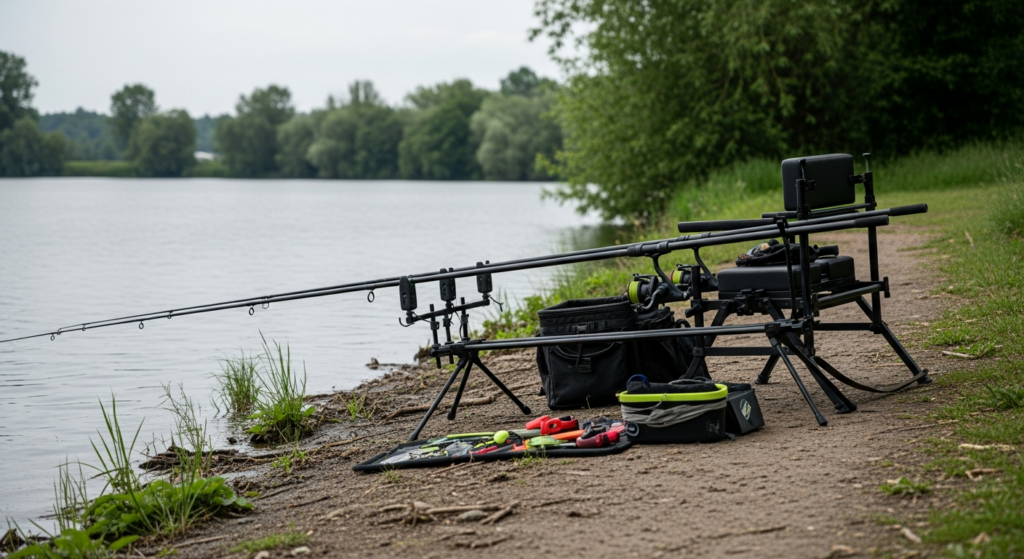
A comprehensive safety guide has been issued, outlining critical precautions for anglers navigating Charleston’s waterways during the intense summer months. The recommendations focus on mitigating risks associated with sun exposure, dehydration, and potential emergencies, particularly for those spending extended periods on the Ashley River, Cooper River, Wando River, and Stono River.
The guide underscores that the sun’s ultraviolet (UV) rays are most potent between 10 AM and 4 PM, a period when many anglers are often on the water. It highlights that reflective surfaces, such as water, can amplify UV exposure by up to 15%, increasing the risk of sunburn and long-term skin damage. To counter this, the guide strongly recommends using a broad-spectrum sunscreen with an SPF of at least 30, with SPF 50 or higher advised for prolonged water exposure. It suggests applying sunscreen 30 minutes before heading outdoors and reapplying every two hours, or more frequently if sweating heavily or getting splashed.
Beyond topical protection, appropriate clothing and accessories are crucial. The guide advises wearing lightweight, long-sleeved clothing with a UPF (Ultraviolet Protection Factor) rating, ideally in light colors that reflect sunlight rather than absorbing it. A wide-brimmed hat, offering at least four inches of coverage around the face and neck, is also recommended. Polarized sunglasses with 100% UV protection are essential not only for eye safety but also for reducing glare, which can improve visibility on the water.
Hydration is another cornerstone of summer safety. Anglers are advised to drink at least eight ounces of water every 15 to 20 minutes during active fishing trips. The guide suggests beginning hydration the night before an outing to ensure the body is adequately prepared. Beverages high in caffeine or alcohol should be avoided, as they can contribute to dehydration rather than alleviate it. Early signs of dehydration include thirst, dry mouth, decreased urination, and fatigue. More severe symptoms, such as dizziness, a rapid heartbeat, and confusion, indicate a more serious condition requiring immediate attention.
Heat stroke is identified as a life-threatening emergency. Its symptoms can include a body temperature exceeding 103°F, an altered mental state, hot and dry skin (though sweating may still occur in some cases), a rapid pulse, and, in severe instances, unconsciousness. The guide instructs anyone witnessing these symptoms to immediately call 911 and begin aggressive cooling measures while awaiting emergency medical services. This could involve moving the individual to a cooler, shaded area, applying cool, wet cloths, or immersing them in cool water if safe and practical.
For those venturing out on boats, additional precautions are vital. The guide stresses the importance of checking the engine’s cooling system before departure to prevent breakdowns. Maintaining all safety equipment, including life jackets, flares, and fire extinguishers, is non-negotiable. Filing a float plan with a trusted contact, detailing the intended route and expected return time, can be critical in an emergency. Anglers should carry extra water, with a minimum of one gallon per person per day for emergencies, along with a well-stocked first-aid kit and other emergency supplies. A functioning VHF radio onboard is also recommended for reliable communication, especially in areas where cell service may be unreliable, such as parts of Charleston Harbor or the more remote stretches of the Wando River.
The guide also suggests strategic planning for fishing trips. Opting for cooler periods of the day, such as early morning or late evening, can significantly reduce heat exposure. Utilizing natural shade along riverbanks or seeking deeper, cooler waters can also provide relief during peak heat hours. It advises anglers to carry communication supplies, such as a fully charged cell phone or satellite messenger, and to be prepared to end a trip if weather conditions or personal well-being deteriorate to a dangerous level.
Why it matters in Charleston
For residents and visitors who frequent the extensive network of rivers and coastal waters surrounding Charleston, adherence to these safety guidelines is paramount. The region’s characteristic summer humidity and high temperatures can quickly turn a pleasant fishing excursion into a medical emergency if precautions are neglected. Local healthcare providers, including the Medical University of South Carolina (MUSC) and Roper St. Francis Healthcare, regularly treat heat-related illnesses during the warmer months. By following the guide’s recommendations, anglers can significantly reduce the strain on emergency services and ensure they can continue to enjoy Charleston’s rich fishing opportunities safely throughout the summer season.