As the deer hunting season approaches, hunters across the Charleston area are embarking on a critical phase of preparation, focusing on meticulous checks of equipment, strategic scouting, and physical conditioning. The weeks leading up to opening day are essential for ensuring safety, optimizing success, and confirming all gear is in prime working order.
One of the primary areas of focus involves weapon and ammunition readiness. For bowhunters, a thorough inspection of the bow is paramount. This includes scrutinizing limbs for any signs of wear or separation, examining cams for smooth operation, and checking strings for fraying or damage. Worn components should be replaced without hesitation, and bowstrings should be waxed regularly to maintain their integrity. Consistent practice shooting is also recommended to build muscle memory and ensure accuracy when the season begins. For those who prefer rifles, the preseason checklist calls for a comprehensive cleaning and oiling of the firearm. Hunters should confirm that the scope is securely mounted and then verify its zero at a shooting range, making any necessary adjustments to ensure precision. Ammunition should also be inspected, and for those using broadheads, an arrow spinner can be used to check for straightness and proper alignment, as even a slight wobble can significantly impact arrow flight and accuracy.
Beyond weapons, clothing and footwear require careful attention. All hunting apparel should be washed with scent-free detergent to eliminate any human odor that could alert deer. Each garment should be inspected for holes, worn seams, or fading that might compromise its effectiveness or camouflage. New footwear should be broken in well before the season to prevent discomfort and blisters during long treks in the field. Waterproofing treatments for boots and other gear should be verified or reapplied. Additionally, given the prevalence of tick-borne illnesses in the Lowcountry, treating clothing with permethrin is a recommended precaution for hunters spending extended periods in dense vegetation.
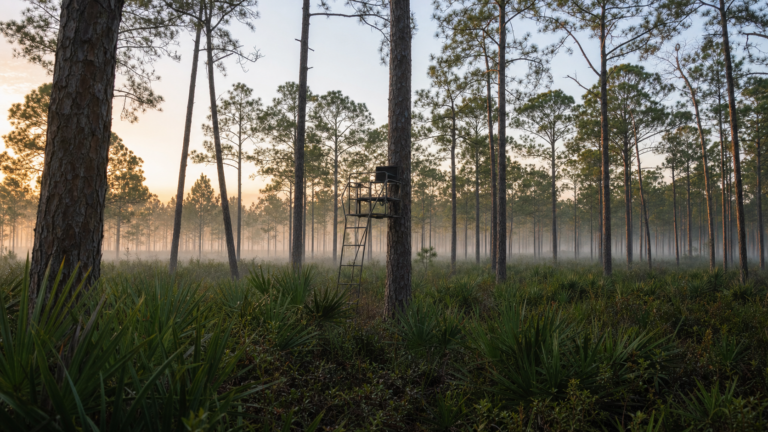
Safety equipment, particularly treestands and harnesses, demands rigorous inspection. Treestands, ladder stands, and climbing sticks must be checked for rust, loose fasteners, cracks, or frayed straps. Any component showing signs of compromise should be repaired or replaced immediately. A full-body harness is a non-negotiable safety item, and hunters should test its functionality and practice using it with a lifeline, ensuring they are familiar with its deployment in a controlled environment. This practice can be life-saving. For navigation, handheld GPS units or phone mapping applications should be fully charged, along with any external battery packs, to prevent loss of orientation in unfamiliar terrain.
Strategic stand placement is another critical element of preseason preparation. Hunters are advised to hang stands early, allowing time for deer to acclimate to their presence. When trimming shooting lanes, a conservative approach is best to avoid over-clearing and altering the natural environment too drastically. All methods used for stand setup, from climbing to trimming, should be quiet and scent-free to minimize disturbance. Map scouting plays a significant role in identifying optimal locations. By studying contour lines, hunters can pinpoint natural saddles, ridges, and draws that deer frequently use as travel corridors. Identifying creeks, ponds, low spots, agricultural fields, oak stands, and natural browse areas helps in understanding deer movement patterns. Planning entry and exit routes under various wind conditions is also crucial to avoid detection. For enhanced map data, services like REVEAL offer Xtra add-ons to their plans, which start at $4 per month and provide detailed property boundaries, ownership information, and advanced drawing tools for custom pins and paths, proving valuable for hunters in Charleston County and beyond.
Trail cameras have become indispensable tools for monitoring deer activity. Before deployment, cameras should be equipped with fully charged batteries, whether using a lithium cartridge, solar panel, folding solar panel, or battery belt. SD cards, if used, should be formatted and labeled. Hunters should test the camera’s field of view, motion activation, flash, and other settings to ensure optimal performance. For cellular cameras, activation and updates to the latest REVEAL app version are necessary to ensure seamless data transmission. Newer models, such as the Ultra and REVEAL 3.0 series, offer internal memory, making SD cards optional for some users.
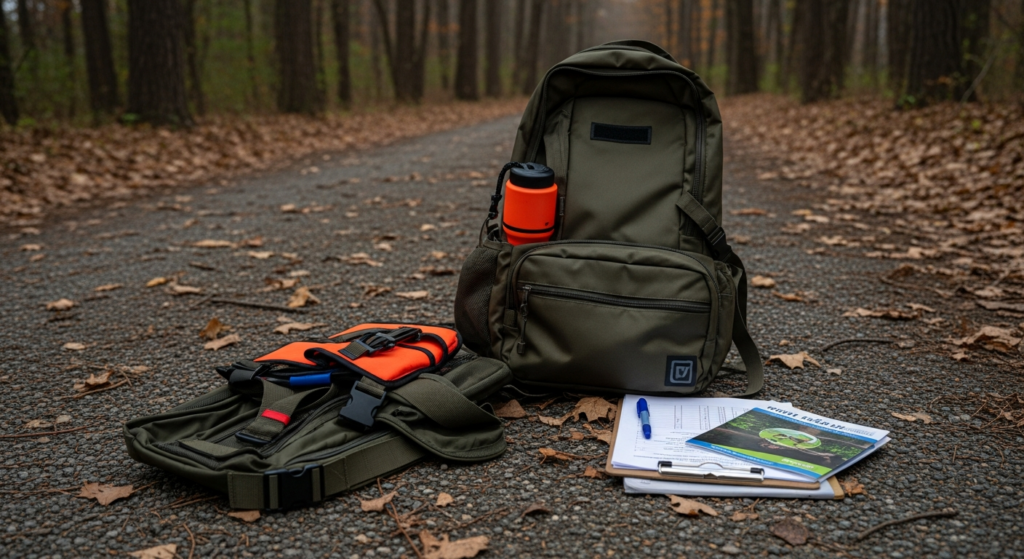
Beyond the field, additional preseason checks ensure a comfortable and prepared hunting camp. Tents and campers should be inspected for wear, missing stakes, cracked poles, or any other missing items. Sleeping bags and pillows should be aired out, and camping-stove fuel canisters should be filled. A comprehensive pack list should include cutlery, tags, snacks, water, a valid hunting license, and a first-aid kit. Practicing shooting while wearing hunting clothes helps simulate real-world conditions. Coordinating plans with private-land owners is essential for those hunting on leased or permission-based properties. Finally, physical conditioning for long hikes and climbs is vital, ensuring hunters are physically capable of navigating the varied terrain often found in the Lowcountry.
Why it matters in Charleston
For many in Charleston and the broader Lowcountry region, deer hunting is a deeply rooted tradition that connects individuals with the natural environment and provides a source of sustenance. The rigorous preseason preparation outlined ensures not only a safer and more successful hunting experience but also promotes responsible stewardship of local wildlife resources. Adhering to these guidelines helps maintain the health of deer populations and ensures the long-term viability of hunting in areas surrounding the Ashley River and Cooper River watersheds. For residents who engage in this activity, the readiness of their equipment and their personal preparedness directly impacts their ability to participate safely and effectively, contributing to the overall outdoor recreational landscape of Charleston County.