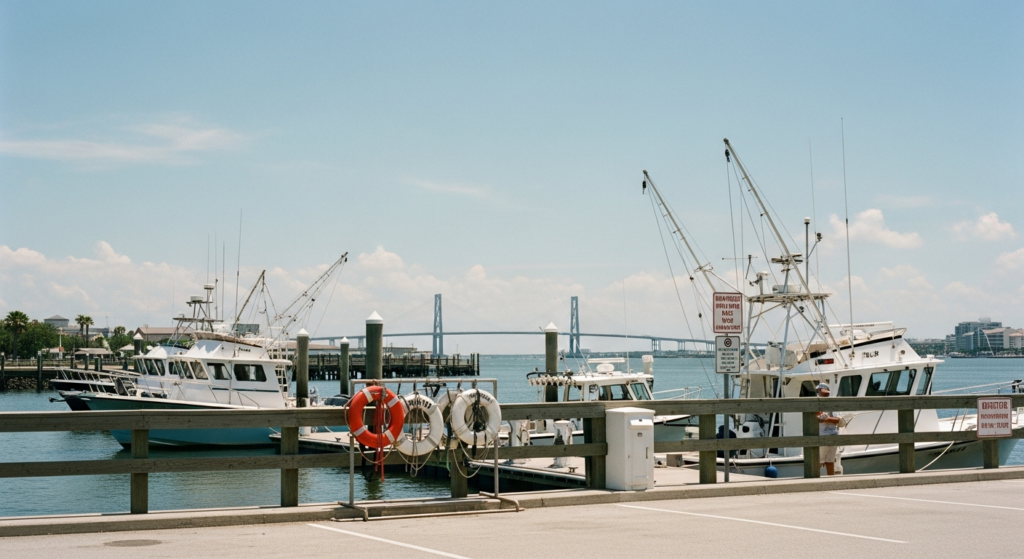
Charleston’s extensive network of waterways, including the Ashley River, Cooper River, Wando River, Stono River, and Charleston Harbor, draws countless anglers, particularly during the warmer months. With the summer season in full swing, a comprehensive guide has been issued, detailing essential safety practices designed to protect individuals from the elements and promote responsible fishing.
The guide underscores the critical importance of proper hydration for anyone spending time outdoors, especially while fishing under the intense summer sun. Anglers are advised to consume water regularly throughout their trips, with a general recommendation of at least eight glasses daily. This intake should be increased significantly when engaging in strenuous activity or experiencing heavy sweating. Carrying ample cool water is paramount, and considering electrolyte drinks can help replenish vital salts lost through perspiration. Conversely, the guide cautions against the consumption of caffeine and alcohol, both of which can contribute to dehydration and impair judgment, posing additional risks on the water.
Sun protection is another cornerstone of the safety recommendations. Prolonged exposure to ultraviolet (UV) radiation can lead to sunburn, heat-related illnesses, and long-term skin damage. To mitigate these risks, the guide advises applying a broad-spectrum sunscreen with a minimum SPF of 30 to all exposed skin. This application should occur 15 to 30 minutes before heading outdoors to allow the sunscreen to properly absorb and become effective. Reapplication is crucial, recommended every two hours, or more frequently if sweating heavily or after water exposure, such as wading or handling fish.
Minimizing direct sun exposure during peak hours is also highlighted. The guide suggests that anglers seek shade or limit their time in direct sunlight between 10 AM and 4 PM, when the sun’s rays are strongest. Utilizing natural shade, a boat canopy, or a fishing umbrella can provide much-needed respite. Clothing choices also play a significant role in protection. Lightweight, loose-fitting garments made from breathable or moisture-wicking fabrics are recommended. Apparel specifically designed with UV protection can offer an additional layer of defense against harmful rays, helping to keep the body cooler and shielded from the sun.
Understanding and recognizing the symptoms of heat exhaustion is vital for personal safety and the well-being of fishing companions. The guide lists several key indicators, including heavy sweating, general weakness, dizziness, nausea, headache, and muscle cramps. Should these symptoms arise, immediate action is necessary. The affected individual should move to a shaded area or an air-conditioned space to cool down. Slowly drinking cool water or an electrolyte solution can aid recovery, and applying cool, wet cloths to the skin can help lower body temperature. Prompt recognition and response can prevent the condition from escalating to more severe heat-related illnesses.
Thorough preparation before any fishing excursion is emphasized. Anglers are advised to check local weather forecasts, paying close attention to heat advisories and severe-weather alerts. Understanding tide charts and current river conditions is also crucial for safe navigation and successful fishing in Charleston’s dynamic waterways. Beyond environmental checks, a well-stocked first-aid kit is indispensable. Essential gear should include sufficient water, high-energy snacks to maintain stamina, sun-protection items like hats and sunglasses, extra clothing layers, and a lightweight waterproof jacket to account for sudden weather changes. These preparations ensure that anglers are equipped for various scenarios that may arise on the water.
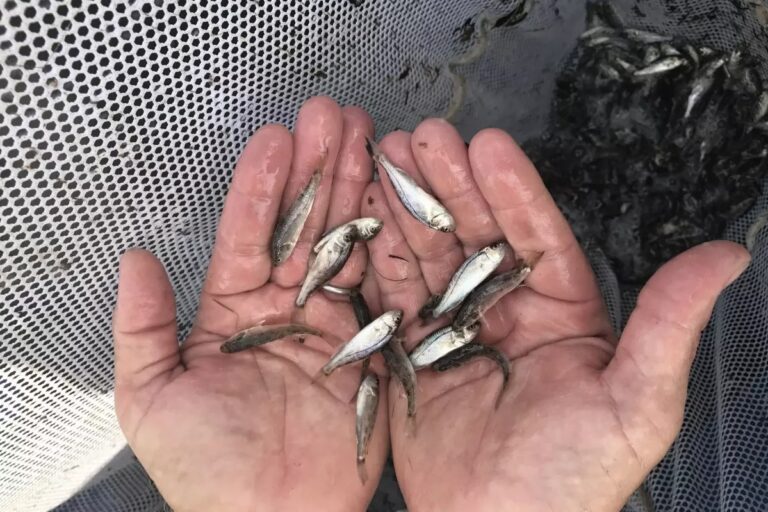
Beyond personal safety, the guide also outlines practices for responsible fishing that contribute to the health of Charleston’s aquatic ecosystems. Using barbless hooks or crimping hook barbs minimizes trauma to fish, particularly for those intended for release. When handling fish, wetting hands before touching them helps protect their delicate slime coat, which is vital for their health and disease resistance. Anglers should also avoid touching the gills and eyes of fish, as these are highly sensitive areas. Limiting the time a fish spends out of water is critical for its survival, especially in warm summer conditions. Adhering to local catch limits and seasonal restrictions is a legal and ethical obligation, ensuring sustainable fish populations. Practicing catch-and-release whenever possible further supports conservation efforts, allowing fish to thrive and contribute to the ecological balance of the Lowcountry’s rivers and harbor.
Why it matters in Charleston
The health and safety recommendations for summer fishing hold particular significance for Charleston, a city deeply connected to its coastal environment and waterways. With residents and visitors alike frequently engaging in recreational activities on the Ashley, Cooper, and Stono Rivers, and throughout Charleston Harbor, these guidelines directly impact public health. Institutions like the Medical University of South Carolina (MUSC) and Roper St. Francis Healthcare frequently treat heat-related illnesses and injuries sustained during outdoor activities. By promoting adherence to these safety practices, the community can reduce the burden on local healthcare services and ensure that fishing remains a safe and enjoyable pastime for all. Protecting anglers from the summer heat and promoting responsible environmental stewardship directly contributes to the well-being of Charleston’s citizens and the preservation of its invaluable natural resources.