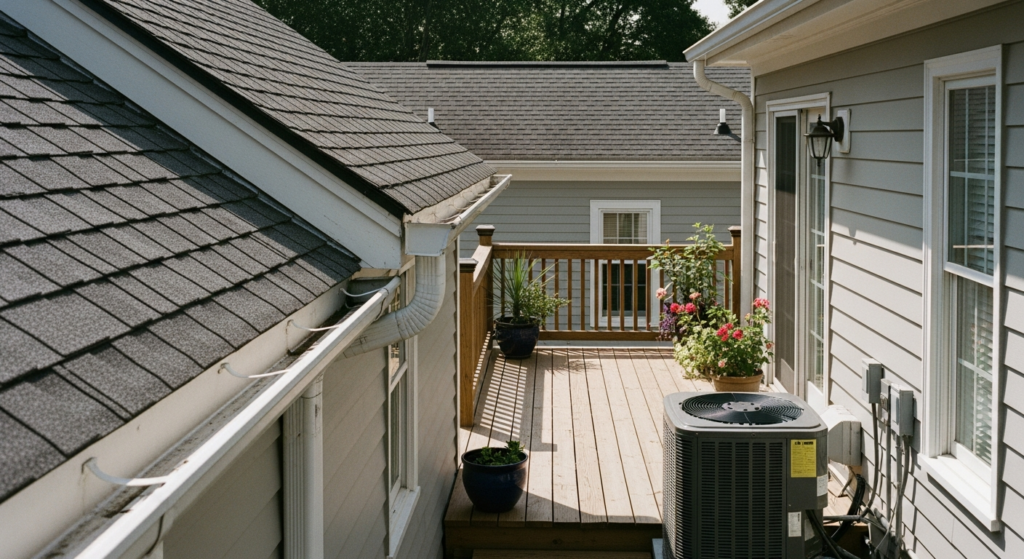
The financial and structural consequences of deferred home maintenance can be substantial, as evidenced by a family in Olathe, Kansas, who faced thousands in repairs after clogged gutters led to a shattered window and basement flooding. This scenario underscores the importance of a comprehensive maintenance regimen for homeowners, including those in Charleston, where environmental factors can exacerbate neglect.
Properly functioning gutter systems are a primary defense against water damage. They should effectively direct water at least five feet away from the house’s foundation. Homeowners are advised to regularly check for loose or corroded components, signs of erosion around the foundation, debris accumulation, overflows, and slow water flow. While professional cleaning can cost approximately $150, a thorough cleaning is recommended every five years, even with gutter guards installed, to ensure optimal performance. The Olathe family’s experience, which ultimately led them to invest $3,800 in a no-clog gutter system after an initial estimate of $8,000 for repairs, highlights the potential for significant savings through preventative measures.
Roof and Exterior Care
Summer is an opportune time for roof inspections. Key areas to examine include missing or loose shingles, problems at seams and flashing, and damaged seals around windows or chimneys. Inside the attic, homeowners should check for missing insulation, discoloration, and mold, which can indicate leaks or ventilation issues. Exterior painting, a task that can significantly enhance curb appeal and protect a home’s exterior, is best undertaken when temperatures consistently range between 50 and 90 degrees Fahrenheit. A properly executed paint job can provide protection and aesthetic value for up to 10 years.
Deck maintenance is another annual task that helps preserve outdoor living spaces. Inspections should look for mold, mildew, popped screws, loose boards, and unstable railings or stairs. After a thorough scrubbing with soapy water, homeowners can test the deck’s sealant effectiveness by observing if water beads on the boards. Clear sealants may require annual application, while semi-transparent stains typically last two or three years, and opaque solid stains can protect for three to five years.
Beyond the Main Structures
Other outdoor maintenance tasks contribute to a well-kept home. Gas grills should be cleaned once each season by burning off grime with burners on high and the lid closed for 15 minutes. Irrigation systems require testing for proper function and prompt repair of any leaks. Regular weeding and mulching not only improve aesthetics but also help retain soil moisture and suppress weeds. Hoses and outdoor faucets should be checked for leaks or damage. Washing windows and screens improves visibility and allows for inspection of screen integrity; small tears can often be repaired with clear nail polish.
Indoor systems also demand attention. Replacing HVAC filters regularly is crucial for air quality and system efficiency. Clearing dryer vents prevents fire hazards and improves drying performance. Range-hood filters can be cleaned by soaking them for 20 minutes in soapy water. Cleaning refrigerator coils improves energy efficiency, and checking and sealing attic insulation gaps helps maintain consistent indoor temperatures. In basements, maintaining humidity levels between 30 and 50 percent with a dehumidifier, especially during Charleston’s humid summers, can prevent mold and mildew growth.
Weighing DIY Versus Professional Help
The decision to undertake maintenance tasks as a do-it-yourself project or to hire professionals often comes down to a balance of time, cost, and expertise. Daniel Morgan, a homeowner in Virginia Beach, Virginia, navigated this trade-off by demolishing a fence himself, hiring professionals for its replacement and pool opening, engaging a neighborhood teenager for pressure washing concrete, and then resealing the concrete himself. His approach highlights that some tasks are well-suited for DIY, while others warrant professional intervention, a consideration for any homeowner in Charleston planning their summer upkeep.
Why it matters in Charleston
Proactive home maintenance takes on particular significance in Charleston, a city characterized by its historic properties, coastal climate, and high humidity. The region’s frequent summer thunderstorms and proximity to the Ashley and Cooper Rivers mean that water management, particularly through well-maintained gutters and roofs, is critical to protecting foundations and preventing costly interior damage. For neighborhoods like South of Broad or Harleston Village, where many homes are decades or even centuries old, consistent upkeep is not only about comfort but also about preserving the structural integrity and historical value of properties. Neglecting these tasks can lead to accelerated deterioration, impacting property values and potentially requiring extensive, expensive repairs that could strain local resources and homeowners’ finances. Ensuring homes are well-maintained contributes to the overall resilience and aesthetic appeal of the Charleston community.