Homeowners in Charleston are navigating the ongoing demands of property upkeep, with a particular focus on maintenance tasks critical during the summer months. Proactive measures for exterior and interior systems can prevent more significant issues and preserve property values across the Lowcountry.
One of the primary areas of concern is the gutter system, which plays a crucial role in directing rainwater away from a home’s foundation. Experts recommend a thorough inspection of gutters, including guards, downspouts, and extensions, to ensure water is channeled at least five feet from the house. Homeowners should look for signs of loose, corroded, or detached components, as well as ground erosion near the foundation. Debris accumulation, overflows, and slow water flow are clear indicators that the system requires attention. While gutter guards can reduce the frequency of cleaning, a comprehensive professional cleaning is still advised approximately every five years. The cost for such services typically hovers around $150, though this can vary based on the property’s size and specific local factors.
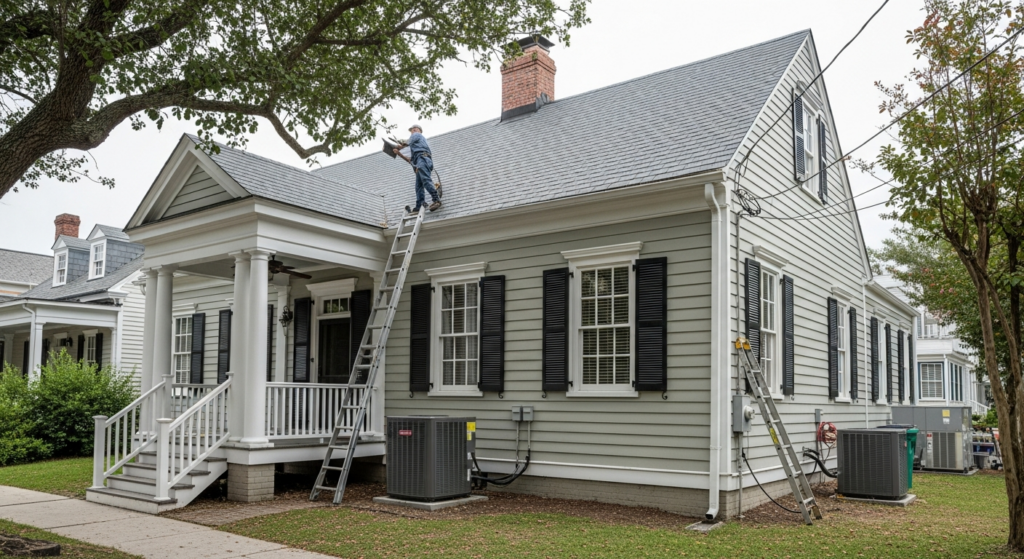
Roof integrity is another critical element for property protection, particularly in a region prone to heavy rainfall. Annual roof checks should encompass a detailed examination for missing or loose shingles, which can compromise the roof’s protective layer. Attention should also be paid to seams and flashing, areas where water penetration is common. Seals around windows, chimneys, and other roof penetrations are vulnerable points that require inspection for damage or deterioration. Inside the attic, homeowners should look for any missing insulation, as well as moisture discoloration or mold on attic surfaces or ceilings, which could signal a leak or ventilation issue.
Decks, often a central feature of outdoor living in Charleston, also demand regular care. Annual maintenance for decks includes checking for the presence of mold or mildew, which can degrade wood over time. Popped screws and loose boards should be addressed promptly to maintain structural safety. Railings require particular scrutiny for any softness or wobbling, and the points where the deck meets the house, railings, and stairs should be inspected for wear or damage. To protect the wood, clear sealants may need annual reapplication, while semi-transparent stains typically last two to three years, and opaque solid stains can offer protection for three to five years.
Exterior painting, when done correctly, can significantly extend the life of a home’s siding and trim. The beginning or end of summer is often cited as the optimal time for exterior painting projects, as temperatures are generally conducive to proper paint application and curing. The ideal outdoor painting temperature range is between 50 and 90 degrees Fahrenheit. A meticulously prepared and applied paint job is expected to last approximately 10 years, offering long-term protection against the elements.
Beyond these major structural components, several other summer maintenance tasks contribute to a well-kept home. Gas grills should be cleaned once per season to ensure safe and efficient operation. Irrigation systems and outdoor plumbing should be checked for leaks, which can lead to water waste and potential damage. Washing windows and screens not only improves aesthetics but also allows for better natural light and air circulation. Inside, changing HVAC filters regularly is essential for air quality and system efficiency. Clearing dryer vents is a crucial safety measure to prevent fire hazards, and cleaning range-hood filters and refrigerator coils helps maintain appliance performance. Finally, servicing heating systems during the warmer months, before the return of colder weather, can help ensure they are ready for operation when needed.
Moisture control is a persistent challenge in the humid climate of Charleston. Maintaining indoor humidity levels between 30 and 50 percent is recommended, often achievable with the use of a dehumidifier. Damp basements can result from inadequate ventilation, cracked foundations, or poor exterior drainage. The presence of mold or persistent moisture in any area of the home warrants a professional inspection by an HVAC specialist or a qualified building contractor to identify and rectify the underlying cause.
Why it matters in Charleston
The emphasis on diligent home maintenance holds particular significance for Charleston residents. The city’s historic housing stock, especially in neighborhoods like South of Broad and Harleston Village, represents a substantial investment in both personal wealth and cultural heritage. The humid Lowcountry climate, coupled with the potential for severe weather events, means that issues like water intrusion or structural wear can escalate rapidly if not addressed. Proactive gutter and roof inspections, for instance, are not just about preventing leaks but about safeguarding the intricate architectural details and plasterwork common in older homes. Similarly, maintaining HVAC systems and controlling indoor humidity are crucial for preserving interior finishes and preventing mold growth, which can be a costly and pervasive problem. By adhering to these maintenance guidelines, homeowners contribute to the longevity and value of their individual properties, and collectively, to the preservation of Charleston’s distinctive character and charm.