Public health officials and local service providers in Charleston are detailing general preparedness strategies for periods of extreme heat, emphasizing the resources available to the community. The planning aims to address potential impacts on public services, transportation, and utility operations, ensuring residents understand how to navigate high temperatures during the summer months.
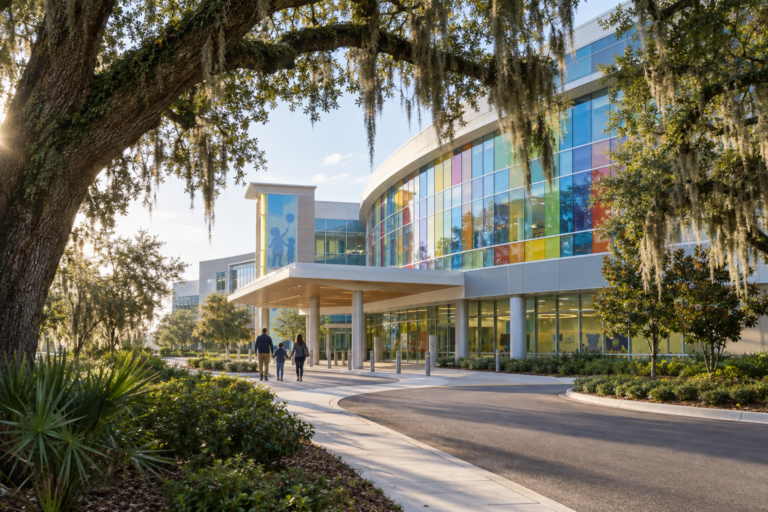
Extreme heat poses significant public health risks, particularly for vulnerable populations such as the elderly, young children, and individuals with pre-existing medical conditions. Medical institutions like the Medical University of South Carolina (MUSC) and Roper St. Francis Healthcare are integral to the city’s health infrastructure, providing critical care and public health guidance. Their preparedness protocols during periods of high temperatures focus on preventing heat-related illnesses and ensuring adequate capacity for emergency services.
Local institutions are also considering potential schedule changes and operational adjustments. The Charleston County School District, for instance, reviews conditions for any summer programs or outdoor activities to safeguard participants. Public facilities, including libraries and recreation centers managed by Charleston County Government, often serve as accessible, air-conditioned spaces that can offer respite during prolonged heat events. These facilities are generally equipped to provide a temporary escape from high temperatures, though specific activation as designated cooling centers would be announced by local authorities as needed.
Transportation services may also experience impacts. While specific disruptions are not currently forecast, prolonged high temperatures can affect infrastructure and the comfort of commuters using local transit services. Utility providers engage in planning to maintain service reliability during periods of increased demand, which is common during summer when air conditioning usage peaks. Residents are typically advised to practice energy conservation to help stabilize the grid and manage their own utility costs.
Beyond formal cooling centers, Charleston offers numerous public parks, such as Marion Square, Hampton Park, and Waterfront Park, which provide shaded areas. While not air-conditioned, these green spaces can offer a natural reprieve from direct sun. Understanding the general availability of such resources is a key component of community preparedness.
Why it matters in Charleston
Effective heat preparedness is crucial for Charleston, a city where summer temperatures can consistently challenge public health and infrastructure. The proactive planning by entities like the Charleston County Government and healthcare providers such as MUSC directly influences the safety and well-being of the entire community. By understanding the general framework for managing extreme heat, residents can better anticipate potential adjustments to public services, identify available cooling options, and take personal precautions. This collective readiness helps mitigate the health risks associated with high temperatures and ensures the city’s essential services remain resilient.