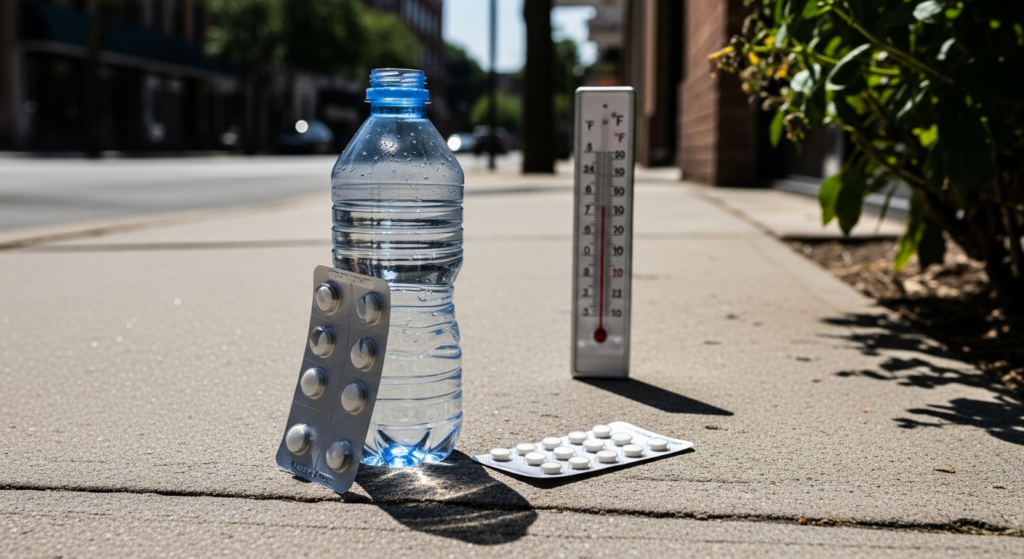
A recent advisory from medical professionals urges individuals taking GLP-1 receptor agonist medications to pay close attention to hydration and watch for heat-related symptoms, a concern amplified by the summer weather in Charleston.
The warning stems from observations that these medications, often prescribed for conditions such as type 2 diabetes and weight management, can influence appetite and fluid intake. This effect, combined with the elevated temperatures and humidity characteristic of Charleston’s summer, may increase the risk of dehydration and other heat-related illnesses among users.
Health coverage reports and local broadcast segments have both highlighted this specific summer safety concern. The consensus among medical sources is a proactive approach: users of GLP-1 medications should be particularly vigilant about their fluid consumption and recognize the signs of potential dehydration or heat stress.
While these warnings are for general awareness, medical professionals emphasize that individuals should consult their qualified health providers for personalized medical advice regarding their specific health conditions and medication regimens. Open communication with a doctor can help manage potential risks and ensure appropriate hydration strategies are in place, especially during periods of extreme heat.
### Why it matters in Charleston
Charleston’s summer months are consistently marked by high temperatures and significant humidity, creating an environment where dehydration and heat-related illnesses are common concerns for the general population. For individuals using GLP-1 medications, this advisory from medical professionals underscores an additional layer of vigilance required. Institutions like the Medical University of South Carolina (MUSC) and Roper St. Francis Healthcare serve a broad patient base, many of whom may be prescribed these medications. The proactive warning ensures that patients and their healthcare providers in Charleston can work together to mitigate risks, promoting public health and safety during the city’s warmest season.