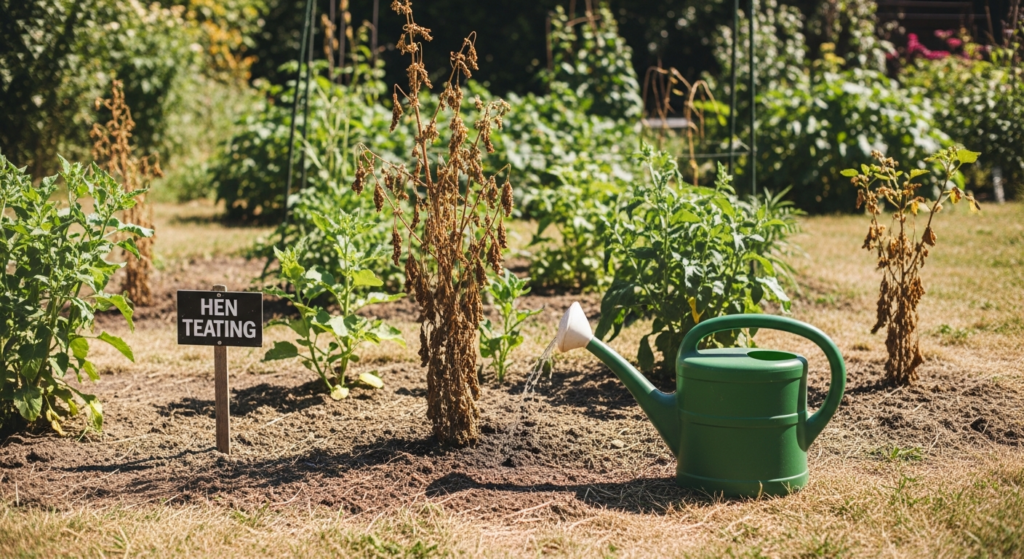
Gardeners across Charleston are adjusting their routines this July, focusing on precise watering schedules and vigilant plant care as sustained high temperatures characterize the summer season. With the mercury consistently high in July 2026, experts emphasize that the timing and method of irrigation are critical for plant survival and health.
One primary recommendation centers on watering during the cooler parts of the day, specifically early morning. This approach minimizes water loss due to evaporation and allows plants to absorb moisture before the intense midday sun begins. Watering in the evening, while seemingly beneficial, can leave foliage wet overnight, potentially encouraging fungal diseases in the humid Lowcountry climate.
Beyond timing, monitoring plants for signs of stress is crucial. Wilting leaves, yellowing, or stunted growth are common indicators that plants are struggling with heat and insufficient moisture. Gardeners are advised to check soil moisture levels regularly, rather than relying solely on a fixed schedule, as different plants and soil types have varying needs. Applying mulch around plants can help retain soil moisture, regulate soil temperature, and suppress weeds, providing a buffer against the summer heat.
General outdoor care tasks for July include avoiding heavy pruning, which can stress plants further, and staying alert for pests that may thrive in stressed conditions. Ensuring adequate air circulation around plants and providing temporary shade for particularly sensitive species can also mitigate heat stress. These practices are essential for maintaining vibrant gardens, whether in residential yards or in the city’s numerous public green spaces.
### Why it matters in Charleston
The ongoing focus on heat-resilient gardening holds particular significance for Charleston, where the city’s numerous public green spaces, such as Marion Square and Waterfront Park, are maintained to provide respite and beauty. These efforts, whether by Charleston County Government crews or individual homeowners, contribute to the city’s aesthetic and environmental health. Ensuring plant survival and vibrancy through the intense summer months directly impacts the quality of life and the visual appeal of neighborhoods like South of Broad and Harleston Village, supporting the broader ecological balance of the Lowcountry region. The collective attention to sustainable gardening practices helps preserve the unique character of Charleston’s landscapes against the challenges of a consistently warm climate.