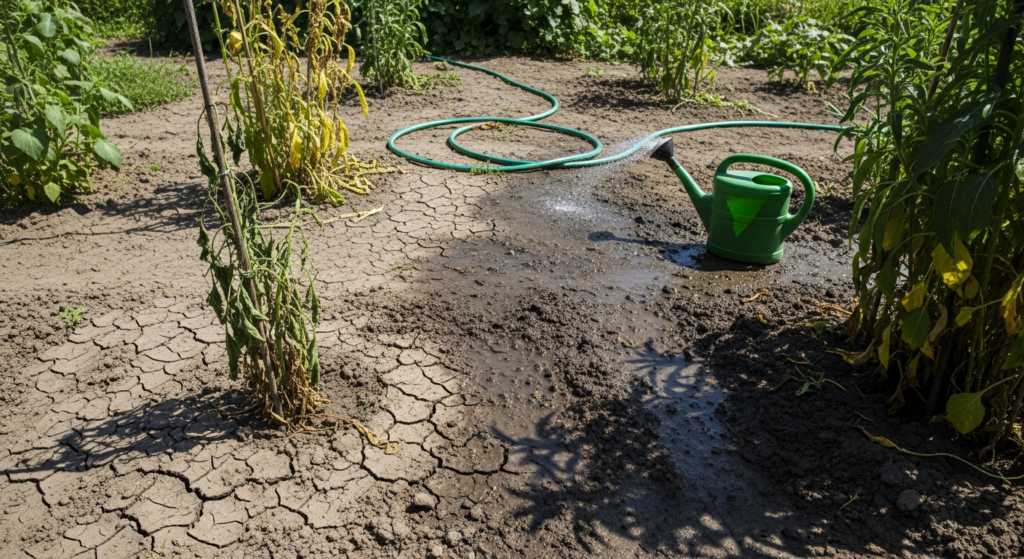
Charleston’s summer climate presents unique challenges for maintaining healthy gardens, with sustained periods of high temperatures and humidity placing significant stress on plants. As July continues, horticultural experts emphasize the critical importance of adjusting watering schedules and implementing preventative measures to mitigate heat-related damage.
One of the most crucial adjustments for gardeners in Charleston is the timing and method of watering. During the peak heat of the day, much of the water applied to plants can evaporate before it reaches the root zone. To maximize absorption and minimize waste, watering early in the morning, typically between 5 a.m. and 9 a.m., is recommended. This allows plants to take up moisture before the sun’s intensity increases, preparing them for the day’s heat. Deep, infrequent watering is generally more effective than shallow, frequent applications. Deep watering encourages roots to grow further into the soil, making plants more resilient to dry spells and heat stress. Gardeners can check soil moisture by hand, feeling a few inches below the surface to determine if additional water is needed.
Plant stress manifests in various ways, including wilting, yellowing leaves, stunted growth, and premature flower or fruit drop. These symptoms indicate that plants are struggling to cope with excessive heat and insufficient moisture. To combat this, several strategies can be employed. Mulching is a fundamental practice for summer gardening in Charleston. A two-to-four-inch layer of organic mulch, such as pine straw, wood chips, or compost, helps retain soil moisture, regulate soil temperature, and suppress weeds. This protective layer can significantly reduce the evaporation rate, keeping roots cooler and more consistently hydrated.
Providing temporary shade can also be beneficial for particularly sensitive plants or newly established plantings. Shade cloths, umbrellas, or even strategically placed taller plants can offer relief during the hottest parts of the day. Proper plant spacing is another consideration; overcrowding can lead to increased competition for water and nutrients, exacerbating stress. Ensuring adequate air circulation between plants can also help reduce humidity around foliage, which in turn can lower the risk of fungal diseases that thrive in Charleston’s humid environment.
Beyond watering, July outdoor care tasks require careful attention. While heavy fertilization is generally discouraged during periods of intense heat, as it can encourage new, tender growth that is more susceptible to scorching, light applications of balanced, slow-release fertilizers may be appropriate for some plants. Pest management becomes particularly important as stressed plants are often more vulnerable to insect infestations. Regular inspection of plants for signs of pests or diseases can allow for early intervention, preventing widespread damage. Deadheading spent blooms on flowering plants can encourage continuous flowering and redirect the plant’s energy from seed production to maintaining overall health.
For those considering fall vegetable gardens, July is often the time to start seeds indoors for crops like broccoli, cabbage, and kale, which can then be transplanted into the garden as temperatures begin to moderate in late summer or early fall. Container gardens, popular in many Charleston homes and businesses, require even more vigilant watering due to their limited soil volume and increased exposure to heat. Moving containers to shadier locations during the hottest part of the day or grouping them together to create a microclimate can help reduce moisture loss.
Local horticultural resources, such as those offered by university extension services, often provide specific guidance tailored to Charleston’s unique regional planting zone and soil conditions. These resources can offer detailed advice on plant selection, pest control, and water conservation techniques that are most effective in the Lowcountry climate.
### Why it matters in Charleston
Effective gardening practices during Charleston’s intense summer months are crucial for maintaining the city’s distinctive aesthetic and supporting local ecosystems. From the meticulously kept public gardens in Waterfront Park and White Point Garden to the diverse residential landscapes across neighborhoods like Harleston Village and South of Broad, the health of plant life contributes significantly to the city’s charm and environmental well-being. Proper watering and plant care help preserve the urban tree canopy, which provides essential shade and mitigates the urban heat island effect, benefiting residents and local businesses alike. The collective effort of gardeners in Charleston ensures that green spaces remain vibrant and resilient, even under the stress of the summer heat, impacting everything from property values to public health outcomes at the Medical University of South Carolina (MUSC) and other institutions that rely on well-maintained grounds for their operations and public image.