The recent July Fourth holiday period brought renewed attention to public safety, with national reporting connecting fireworks injury prevention to broader concerns about heat and air quality. The confluence of large celebratory events and record temperatures highlighted potential triggers for diminished air quality, adding layers to traditional holiday safety advisories.
Across the country, authorities emphasized the inherent dangers associated with fireworks, which annually lead to thousands of injuries. Beyond the immediate risks of burns and trauma, the widespread use of pyrotechnics contributes to particulate matter in the atmosphere. This particulate matter, when combined with high temperatures, can exacerbate existing air quality issues.
Separate analyses described how periods of record heat, a common feature of the summer months, can intensify the impact of airborne pollutants. Stagnant air masses, often accompanying heat waves, trap smoke and other emissions close to the ground, leading to elevated concentrations that can affect respiratory health. Large-scale fireworks displays, while a staple of holiday celebrations, can significantly contribute to these localized pollution spikes.
The timely guidance issued around the July Fourth period aimed to address these multifaceted risks. It underscored the importance of considering not only the direct hazards of fireworks but also the broader environmental conditions that can amplify their public health consequences. This integrated approach to safety acknowledges the complex interplay between human activities, weather patterns, and public well-being.
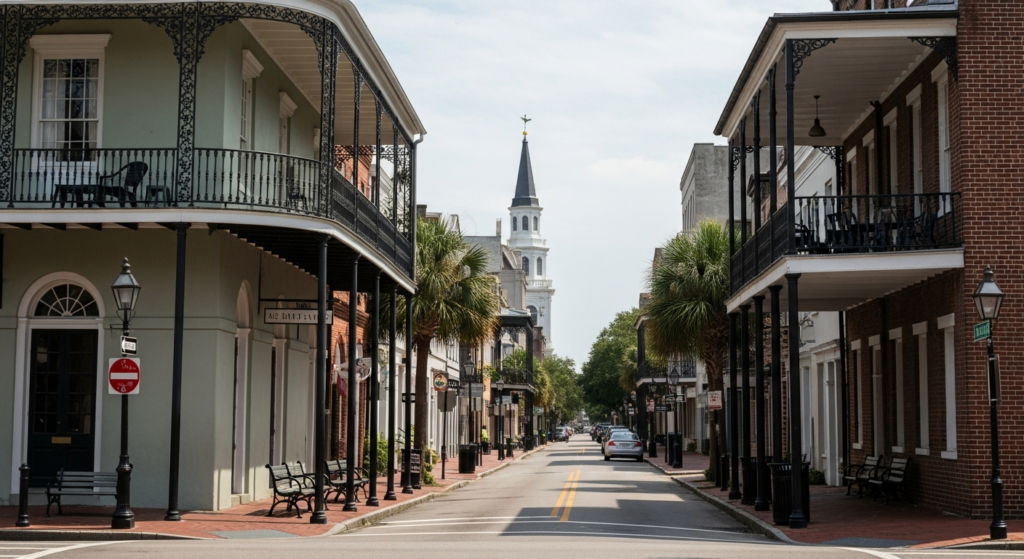
Charleston, like many coastal cities, experiences significant summer heat and hosts various events that draw large crowds. The city’s public safety and health services regularly prepare for increased demands during holiday periods, factoring in environmental conditions.
### Why it matters in Charleston
The lessons from the recent holiday period resonate in Charleston, where the Medical University of South Carolina (MUSC) and Charleston County Government agencies are routinely engaged in public health and safety initiatives. The combination of intense summer heat, potential air quality impacts from large gatherings or fireworks, and the inherent risks of pyrotechnics presents a consistent challenge for emergency services and healthcare providers. Understanding these interconnected risks helps inform public advisories and resource allocation, ensuring that the city’s infrastructure and medical facilities are prepared to respond to a range of potential incidents, from heat-related illnesses to respiratory issues exacerbated by smoke, or direct fireworks injuries. This integrated view of public safety is crucial for protecting the well-being of residents and visitors throughout the summer season in Charleston.