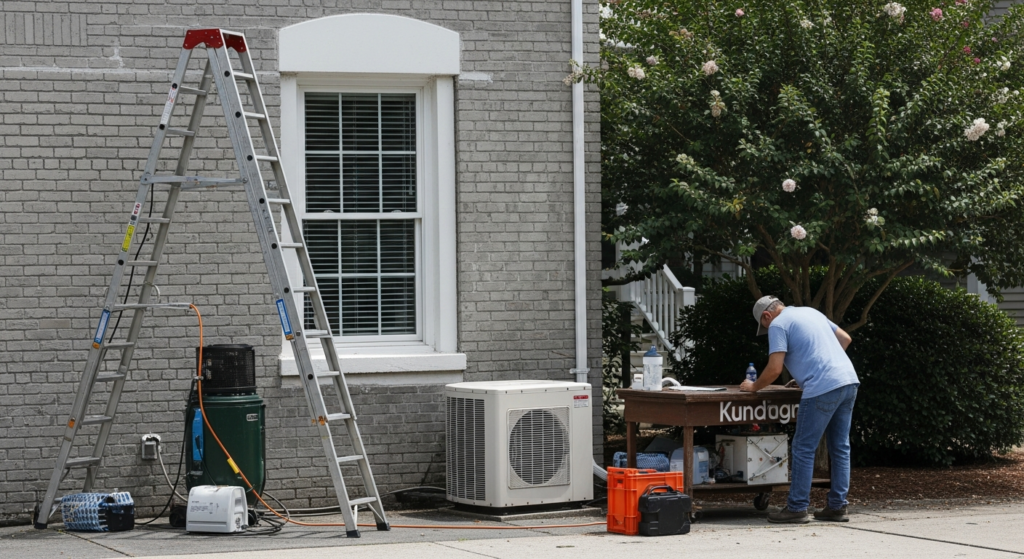
For properties across Charleston, the focus for July remains on proactive home maintenance, with industry guidance consistently highlighting key areas to address as the summer season continues. These recommendations underscore the importance of maintaining cooling systems, preparing for potential storms, ensuring proper gutter function and water management, and addressing minor repairs before they escalate.
The intense heat and humidity characteristic of Charleston summers place significant demands on residential cooling systems. Experts in home maintenance stress the necessity of regular checks to ensure air conditioning units operate at peak efficiency. This includes verifying clean filters, inspecting coils for debris, and confirming refrigerant levels are adequate. An inefficient system not only struggles to cool a home effectively but also contributes to higher energy consumption and increased utility costs for homeowners. Neglecting these checks can lead to premature system failure, a particularly disruptive event during the warmest months in the Lowcountry.
Beyond immediate comfort, the performance of a home’s cooling infrastructure has broader implications. Consistent operation under strain can shorten the lifespan of units, leading to costly replacements. Furthermore, poorly maintained systems can contribute to issues with indoor air quality, a concern for residents, particularly those with respiratory sensitivities. The collective demand on the local energy grid during peak summer usage also makes individual household efficiency a component of overall community resilience, reducing strain on utility providers during periods of high demand.
With hurricane season underway, guidance consistently points to the necessity of robust storm preparation. Charleston’s coastal location makes it particularly vulnerable to tropical systems, which can bring high winds, heavy rainfall, and potential storm surge. July is a critical month for homeowners to review and implement their storm readiness plans. This typically involves securing outdoor furniture and decorations, inspecting roofs and windows for vulnerabilities, and ensuring emergency kits are stocked with essential supplies. Understanding local evacuation routes and having a communication plan in place are also emphasized as fundamental aspects of preparedness.
Proactive measures can significantly mitigate potential damage and enhance safety. Checking the integrity of exterior doors and windows, trimming trees that pose a risk to the property, and clearing drains around the home are all steps frequently advised. The goal is to minimize the impact of severe weather events, protecting both property and occupants. The historical record of storms affecting Charleston County underscores the wisdom of a vigilant approach to seasonal preparation, transforming potential crises into manageable challenges through foresight.
Effective water management, particularly through well-maintained gutters and proper drainage, is another critical area of focus for July. Charleston experiences frequent and often heavy summer downpours, which can quickly overwhelm inadequate systems. Clogged gutters can lead to water overflowing and pooling around a home’s foundation, potentially causing costly damage such as foundation cracks, basement flooding, or erosion of landscaping. Water intrusion can also foster mold and mildew growth within walls and attics, posing health risks and requiring extensive remediation.
Ensuring gutters are clear of leaves and debris, and that downspouts direct water away from the foundation, is a fundamental task. Beyond gutters, assessing the grading around a home to ensure water flows away from the structure, rather than towards it, is also crucial. For many of Charleston’s historic homes, which may have older foundations or be situated in lower-lying areas, meticulous water management is paramount to preserving structural integrity and preventing long-term deterioration. The humid climate further exacerbates issues related to moisture, making diligent attention to drainage a year-round concern, intensified during the rainy summer months.
Finally, home maintenance guides for July also underscore the importance of addressing small repairs. Minor issues, if left unattended, often compound over time, leading to more significant and expensive problems. In Charleston’s coastal environment, factors such as salt air and high humidity can accelerate wear and tear on exterior components. This includes checking for peeling paint, deteriorated caulk around windows and doors, loose siding, or minor roof issues. Addressing these promptly can prevent water intrusion, pest infestations, and further structural damage.
For homeowners, a proactive approach to these small fixes is a strategy for preserving property value and avoiding major renovation costs down the line. The unique architectural heritage of many Charleston neighborhoods means that even minor exterior repairs contribute to the overall aesthetic and historical integrity of the community. Regular inspections for these seemingly insignificant issues can save substantial resources and maintain the condition of a property against the challenges posed by the environment.
These July maintenance emphases collectively address the specific environmental challenges of maintaining a home in Charleston. From the relentless summer heat demanding efficient cooling to the ever-present threat of tropical storms and the persistent humidity impacting water management and minor repairs, the guidance serves as a comprehensive framework for property stewardship in the Lowcountry. Adhering to these recommendations helps ensure homes remain comfortable, safe, and structurally sound throughout the demanding summer season.
### Why it matters in Charleston
The consistent emphasis on July home maintenance holds particular significance for Charleston, a city characterized by its historic architecture, coastal vulnerability, and warm, humid climate. Proactive measures in cooling system upkeep, storm preparation, and water management directly impact the longevity and value of properties across neighborhoods like South of Broad and Harleston Village. Neglecting these tasks can lead to escalated repair costs, diminished property values, and increased strain on local emergency services during severe weather events. For institutions like the Medical University of South Carolina (MUSC), the health implications of poorly maintained homes, such as issues related to mold or heat exposure, are also a concern for community well-being. Diligent home care contributes not only to individual household stability but also to the broader resilience and economic vitality of Charleston’s housing market and its residents.