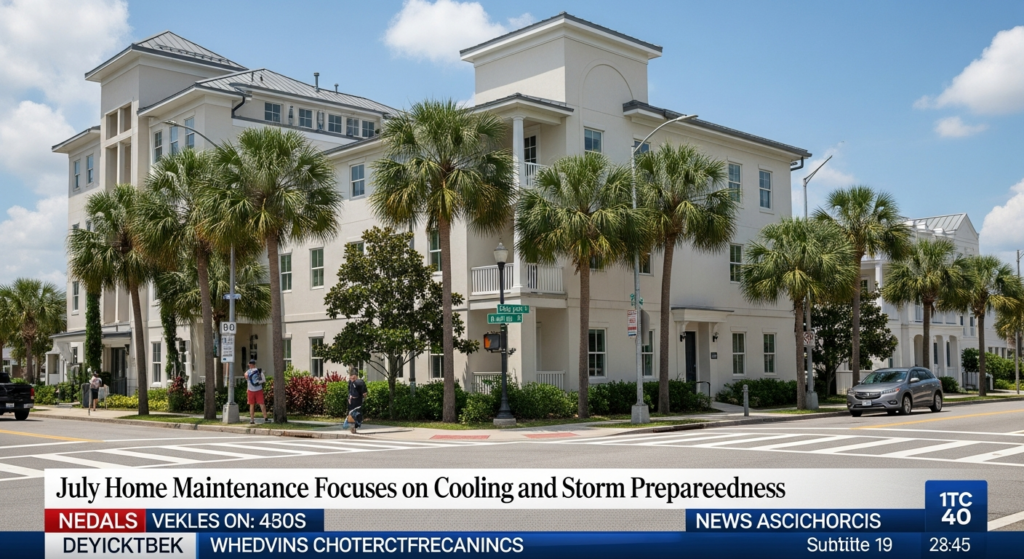
Home maintenance guides for July consistently emphasize critical tasks related to cooling systems, storm preparation, and water management, offering timely advice for property owners across Charleston. These recommendations are particularly pertinent in the Lowcountry, where the summer months bring both high temperatures and the potential for significant weather events.
Maintaining efficient cooling systems is a primary focus. Regular inspection and servicing of air conditioning units can prevent breakdowns during peak heat, which is a common concern in Charleston during July. This includes checking refrigerant levels, cleaning coils, and ensuring thermostats are functioning correctly. Replacing air filters monthly is a simple yet effective step that can improve air quality, reduce energy consumption, and extend the lifespan of HVAC equipment. Professional servicing can identify minor issues before they escalate into costly repairs, helping to maintain comfortable indoor environments throughout the warmer months.
Storm preparedness is another essential component of July home maintenance. The summer season in Charleston often coincides with increased tropical activity and localized thunderstorms, which can bring heavy rains and strong winds. Homeowners are advised to secure loose outdoor items such as patio furniture, garbage cans, and decorative elements that could become projectiles in high winds. Inspecting roofs for damaged or missing shingles, checking the integrity of windows and doors, and ensuring proper sealing can help protect against water intrusion and structural damage. Keeping an emergency kit stocked with essentials like water, non-perishable food, flashlights, and a battery-powered radio is also a prudent measure.
Effective water management, particularly concerning gutters and drainage, plays a crucial role in protecting a home’s foundation and landscaping. Clogged gutters can lead to water overflowing and pooling around the base of a house, potentially causing foundation damage, basement flooding, or issues with siding. Cleaning gutters regularly to remove leaves, twigs, and other debris ensures that rainwater is directed away from the structure. Extending downspouts at least several feet from the foundation and ensuring that the ground slopes away from the house can further prevent water accumulation. These measures are especially important in a coastal city like Charleston, where heavy rainfall can quickly overwhelm inadequate drainage systems.
Addressing small repairs proactively can prevent them from becoming larger, more expensive problems. This includes checking for and sealing any cracks or gaps in exterior walls, around windows, and door frames with caulk to prevent water leaks and pest entry. Inspecting decks, patios, and walkways for loose boards or trip hazards and making necessary repairs can enhance safety and prolong the life of these outdoor structures. Minor plumbing leaks, if left unaddressed, can lead to significant water damage and mold growth. A thorough walk-through of the property, both inside and out, can help identify these issues early.
### Why it matters in Charleston
For residents of Charleston, diligent home maintenance in July is not merely about comfort; it is a critical aspect of property preservation and safety. The city’s unique coastal environment and summer climate expose homes to specific challenges, from the relentless heat stressing cooling systems to the potential for severe weather events impacting structural integrity. Proactive measures, such as those recommended in July maintenance guides, help protect the significant investments residents have in their homes. Ensuring that properties, particularly in historic neighborhoods like South of Broad or Ansonborough, are well-maintained contributes to the overall resilience and aesthetic of the community, safeguarding assets for individual homeowners and the broader Charleston County tax base against the elements of a typical Lowcountry summer. This preparedness helps minimize disruptions and ensures that essential services, including those provided by major employers like the Medical University of South Carolina (MUSC) and Roper St. Francis Healthcare, can continue without undue strain from widespread property damage.