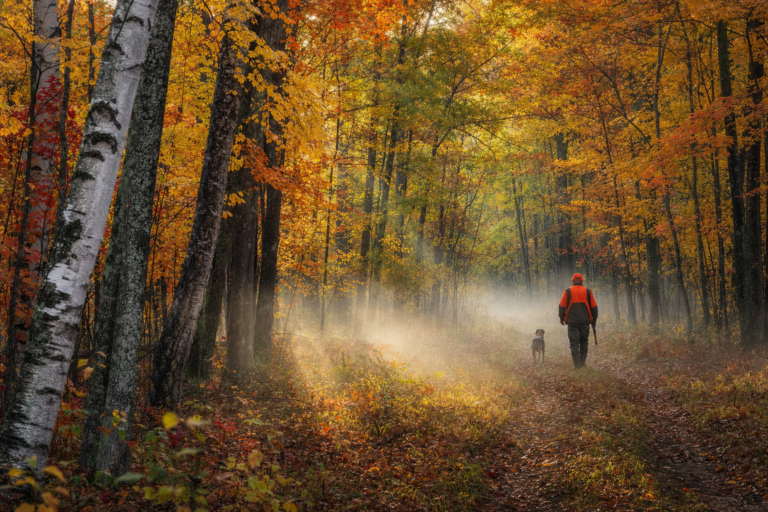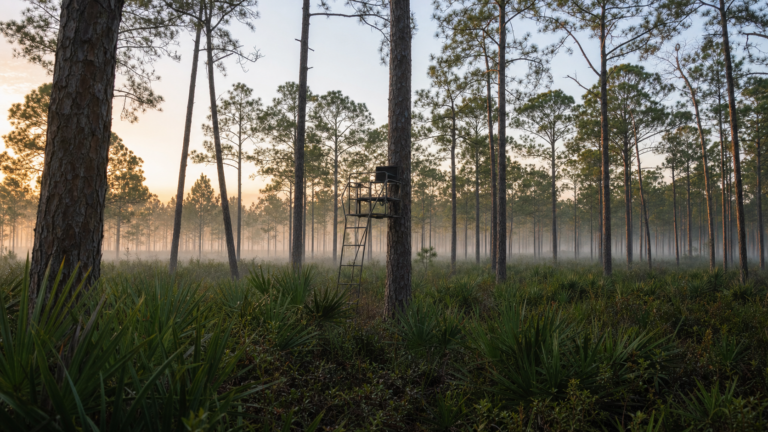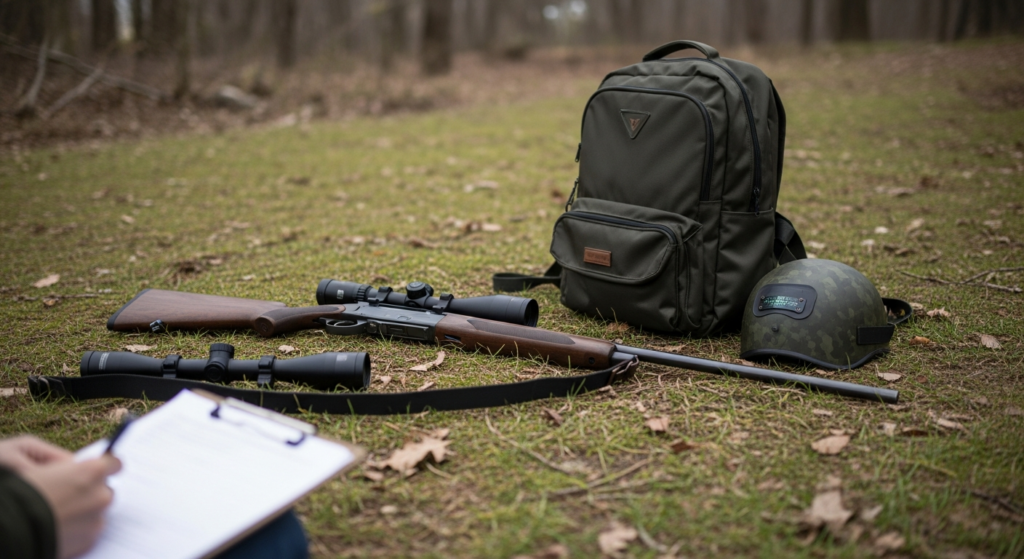
Prospective hunters in Charleston preparing for the 2026 season face a structured path to responsible participation, beginning with mandatory education and extending through equipment acquisition and field safety. The process, outlined in a recent preparation guide for first-time hunters, underscores the importance of understanding legal requirements, securing proper access, and mastering fundamental safety practices well before opening day.
Foundational Requirements: Education and Licensing
The initial step for any new hunter involves completing a state-approved hunter education course. These programs are designed to instill critical knowledge and skills, covering topics such as firearm and archery safety, ethical hunting practices, wildlife identification, safe zones of fire, basic survival techniques, first aid, and local regulations. Course formats vary, with options including traditional classroom instruction complemented by a field day, online coursework followed by an in-person field day, or, in some states, fully online coursework for adult participants. Regardless of the format, the core objective remains consistent: to ensure hunters possess the foundational understanding necessary for safe and responsible conduct.
Following education, obtaining the correct hunting license and species-specific tags is paramount. The regulatory landscape for hunting is complex, with requirements varying significantly by state, specific game unit, targeted species, weapon type, and sometimes even the animal’s sex or age. Hunters must diligently confirm season dates, legal weapons, minimum calibers or draw weights, and bag limits. For high-demand hunts, a lottery application process may be required, while other tags might be available over the counter. It is crucial for hunters in South Carolina to consult the most current state regulations, as information can change from year to year.
Securing Access and Essential Gear
Legal hunting access is another critical component of preparation. For private land, obtaining written or electronic permission from the landowner is not only a courtesy but often a legal necessity. Public lands, such as those managed by state or federal agencies, come with their own set of restrictions and designated boundaries that hunters must understand and respect. Thoroughly researching and confirming these access rules prevents potential legal issues and ensures an ethical hunting experience.
Equipping oneself properly is a significant investment, both in terms of safety and success. The basic gear recommended for new hunters includes a legal weapon and appropriate ammunition or arrows, along with practice equipment. Beyond the weapon, essential items include licenses and tags, hunter orange where mandated for visibility, broken-in waterproof boots, and layered non-cotton clothing suitable for varying weather conditions. Binoculars are vital for scouting and identifying game, while a day pack should contain water, high-calorie snacks, a headlamp with extra batteries, a knife for field dressing, and a comprehensive first-aid kit.
Initial equipment costs can be substantial. An entry-level rifle with a basic scope typically ranges from $450 to $800 new, with used options available for $300 to $500. A shotgun suitable for deer or small game might cost $350 to $700 new, or $250 to $450 for a used model. For archery enthusiasts, a compound bow package with accessories can range from $400 to $900 new, with budget options around $250 to $500. Essential clothing layers and boots often total $200 to $400, while entry-level binoculars are generally $100 to $250. These figures highlight the financial commitment involved in preparing for the hunting season.
Safety Protocols and Field Practices
Safety is non-negotiable, particularly when handling firearms. The guide emphasizes four fundamental firearm safety rules: treat every firearm as if it is loaded, always keep the muzzle pointed in a safe direction, keep your trigger finger off the trigger until you are ready to shoot, and always be certain of your target and what is in front of and beyond it. For those hunting from elevated positions, such as tree stands, additional safety measures are critical. These include using a full-body safety harness, a lineman’s belt, and a lifeline, along with thoroughly inspecting the stand before each use. An unloaded weapon should always be raised or lowered with a haul line.
Pre-hunt preparation extends beyond gear. Regular practice until a reliable field-position shot is consistently achievable is crucial. Scouting the hunting area to understand terrain, game trails, and potential stand locations can significantly improve prospects. Before each hunt, leaving a detailed itinerary with someone who knows your plans is a vital safety precaution. The guide also encourages new hunters to seek out a mentor, whose experience can provide invaluable guidance, and to keep a hunting journal to record observations, wind conditions, weather, and lessons learned.
Post-Shot Procedures and Realistic Expectations
After a shot, the process of recovery is methodical. Hunters are advised to observe the animal’s reaction, mark the last known location, and wait an appropriate amount of time before beginning to track. Tracking should start slowly at the hit site, following any sign such as blood, hair, or tracks. If tracking becomes difficult, seeking help from experienced individuals is recommended. Once the animal is recovered, it must be tagged as required by state regulations. Prompt cooling and cleaning of the meat are essential for preservation, and state rules for carcass or quarter transport must be followed.
First hunting seasons often involve early mornings, long periods without seeing game, missed opportunities, and learning from mistakes. The preparation guide frames success not merely as filling a tag, but as developing safe, legal, ethical, and practical hunting skills. This holistic approach ensures that new hunters in Charleston build a foundation for a lifetime of responsible outdoor pursuits.
Why it matters in Charleston
For residents of Charleston and the wider Lowcountry region, understanding and adhering to comprehensive hunting preparation guidelines directly impacts public safety and resource management. With numerous waterways like the Ashley River and Cooper River, and diverse landscapes within Charleston County, hunting is a popular recreational activity. The emphasis on safety, particularly firearm handling and first aid, is crucial for preventing accidents that could strain local emergency services, including those provided by the Medical University of South Carolina (MUSC). Ensuring new hunters are well-educated and equipped contributes to the responsible use of natural resources and maintains the ethical standards expected within the community, safeguarding both participants and the environment.