The summer months offer a critical window for Charleston hunters to prepare their equipment for the upcoming seasons. Addressing wear and tear now can prevent costly failures and ensure safety when the hunting season officially begins. A proactive approach to gear maintenance during this period is essential for any serious outdoorsperson.
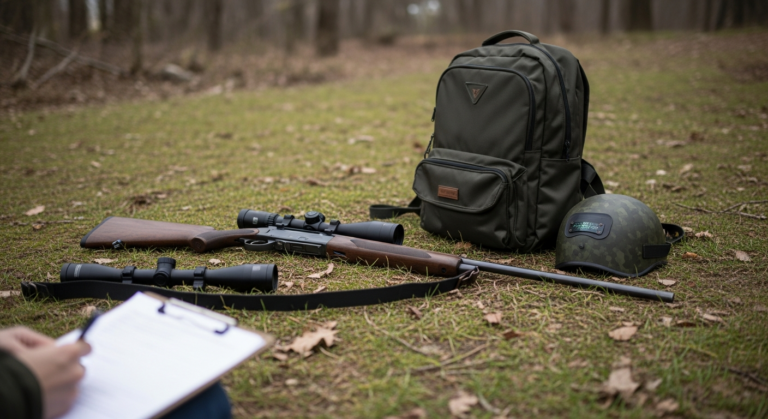
Cleaning and inspecting firearms is paramount. After the last use, firearms should have been thoroughly cleaned to remove powder residue and fouling. During the summer, a more detailed inspection is warranted. Check the bore for any signs of rust or damage. Inspect the action, trigger mechanism, and all moving parts for proper function. Lubricate as necessary, following manufacturer recommendations. Ensure any cleaning solvents or oils used are appropriate for the firearm’s materials and are applied sparingly to avoid attracting dirt or debris.
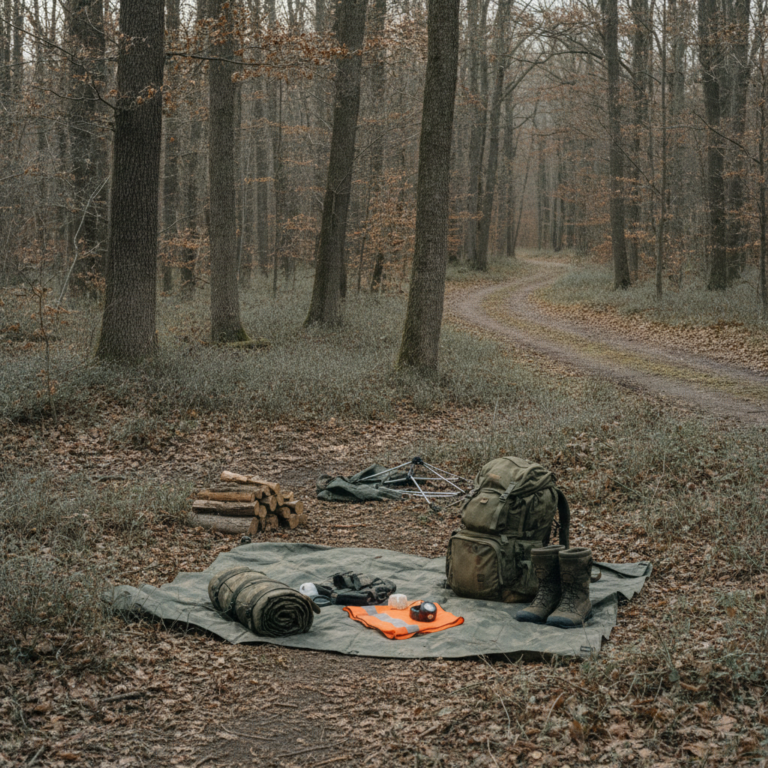
Boots and other footwear require attention. Leather boots should be cleaned of mud and debris, then treated with a waterproofing agent or conditioner to prevent drying and cracking. Inspect the soles for excessive wear or separation from the uppers. Ensure laces are intact and not frayed. For synthetic materials, a gentle cleaning with mild soap and water is usually sufficient, followed by thorough drying.
Backpacks, vests, and other fabric gear should be washed or wiped down to remove dirt, sweat, and any residual odors that could alert game. Check all straps, buckles, and zippers for damage or malfunction. Repair or replace any broken components. Ensure all pockets and compartments are empty and clean.
Optics, including binoculars and rifle scopes, require careful handling. Lenses should be cleaned with a soft, lint-free cloth and appropriate lens cleaner. Inspect for any scratches or damage that could impair vision. Ensure any protective lens caps are present and secure.
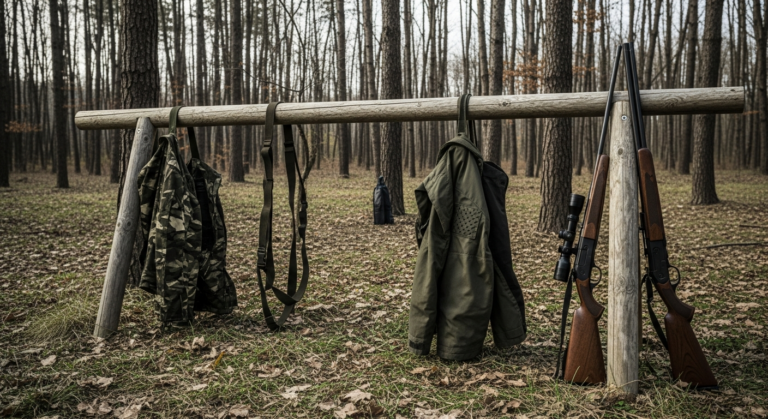
Storage of ammunition, knives, and firearms must adhere to strict safety protocols and local regulations. Ammunition should be stored in a cool, dry place, away from direct sunlight and heat sources, and secured to prevent unauthorized access. Knives should be cleaned, dried, and stored in a manner that protects the blade and prevents accidental injury. Firearms must be stored unloaded and secured, with ammunition stored separately, in accordance with South Carolina law.
While specific season dates are determined by the South Carolina Department of Natural Resources, hunters should consult official advisories closer to the fall. The current period is ideal for ensuring that all gear is not only clean and functional but also stored safely and responsibly, setting the stage for a successful and secure hunting experience in the Lowcountry.