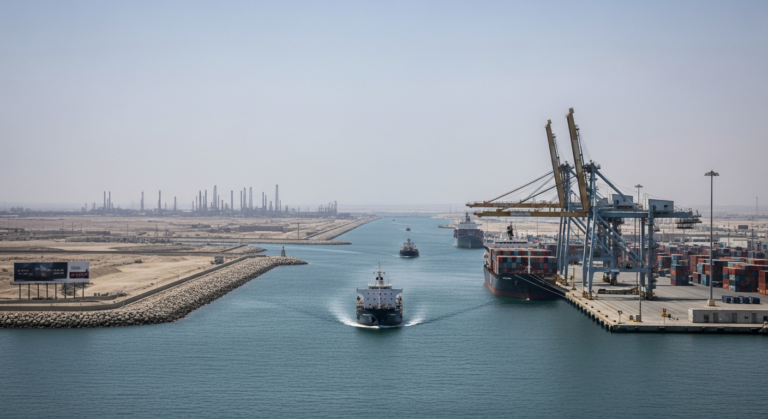
The fragile ceasefire in the Strait of Hormuz region has reportedly fractured, with non-federal reports detailing new U.S. strikes on Iranian military infrastructure. These actions are said to be in response to ongoing attacks on commercial shipping lanes that have disrupted international maritime trade.
In the wake of the U.S. strikes, Iranian forces are reported to have retaliated with their own attacks or threats directed at facilities with U.S. ties in the Gulf region. The specific targets and the extent of the damage remain unclear, as information is being disseminated through various international news outlets.
This escalation underscores the precarious nature of the current security situation in one of the world’s most critical maritime choke points. The Strait of Hormuz, a narrow waterway separating Iran and Oman, is vital for the global oil supply, with a significant portion of the world’s crude oil passing through it daily.
The exchange of strikes and threats has prompted a review of the broader political and national security implications by U.S. authorities. The situation involves complex considerations of military action, the adherence to ceasefire agreements, and the broader framework of U.S. foreign policy in the Middle East.
Analysts suggest that the renewed hostilities could have far-reaching consequences, potentially impacting global energy markets and international diplomatic relations. The ability of the involved parties to de-escalate and return to a stable ceasefire will be crucial in preventing further regional instability.
The United States has previously expressed concerns over Iran’s actions in the Strait, citing threats to freedom of navigation and the safety of international shipping. Iran, in turn, has accused the U.S. and its allies of provocative behavior and of seeking to undermine its regional influence.
This latest development marks a significant setback for efforts to ensure stability in the region. The international community is closely monitoring the situation, with many nations expressing concern over the potential for a wider conflict. The coming days will be critical in determining whether diplomatic channels can be reopened to address the underlying tensions and prevent further military engagements. The ongoing volatility in the Strait of Hormuz highlights the persistent challenges in maintaining peace and security in a strategically vital area.
Charleston, with its own significant maritime interests and port activity, remains indirectly connected to the global implications of such geopolitical tensions. Disruptions in major shipping lanes can affect supply chains and economic stability worldwide, with ripple effects that can be felt even in coastal cities like Charleston. The city’s economy is intertwined with global trade, making it susceptible to broader international instability.