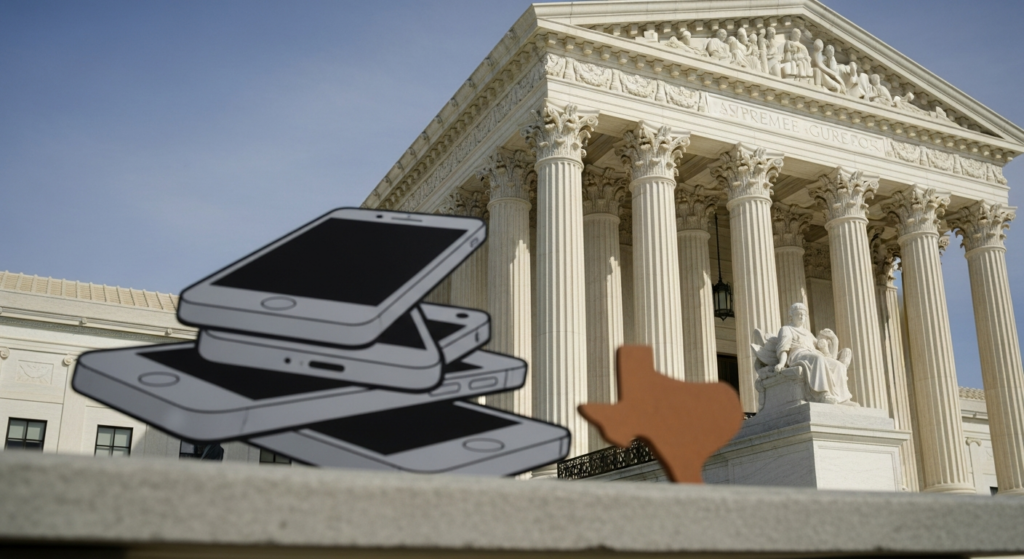
The Supreme Court has permitted a Texas law mandating app-store age verification to take effect, even as legal challenges against the measure continue. The decision, issued Friday, July 10, 2026, means the law, which involves specific duties for app stores regarding age checks for minors, will be enforceable while its constitutionality is still being debated in lower courts.
The Texas statute requires app stores to implement mechanisms to verify the age of users, specifically targeting access for minors. Independent legal analyses and national reporting have consistently described the law as placing responsibilities on app providers to ensure that children under a certain age do not access content deemed inappropriate without parental consent or other safeguards.
While this ruling directly concerns a Texas state law, the Supreme Court’s action carries national implications. Such decisions from the highest court can influence the legal landscape and legislative efforts in other states considering similar measures to protect minors online. The ongoing nature of the legal challenges means that the regulatory environment for digital platforms and children’s online safety remains in flux.
For families and educational institutions in Charleston, the development underscores the broader national conversation about children’s digital well-being and the role of technology companies. As discussions about online safety and age-appropriate content continue at state and federal levels, parents and educators in Charleston, like those elsewhere, are navigating the complexities of children’s engagement with digital applications and platforms. The ruling highlights the evolving legal and technological challenges in safeguarding young users in the digital age.
### Why it matters in Charleston
This Supreme Court decision, though focused on a Texas statute, has a ripple effect that extends to communities like Charleston. For the Charleston County School District, for instance, the ruling contributes to the ongoing dialogue surrounding student access to technology and digital literacy. Policies regarding device usage and internet safety within schools are often influenced by broader legal precedents and societal concerns about minors online. Similarly, families throughout Charleston are grappling with how to manage their children’s app usage and ensure their safety in an increasingly digital world. The Charleston County Government, through its various youth services and community programs, also monitors such national legal developments as they relate to the well-being and protection of young residents, recognizing that federal and state actions can shape local approaches to digital responsibility.