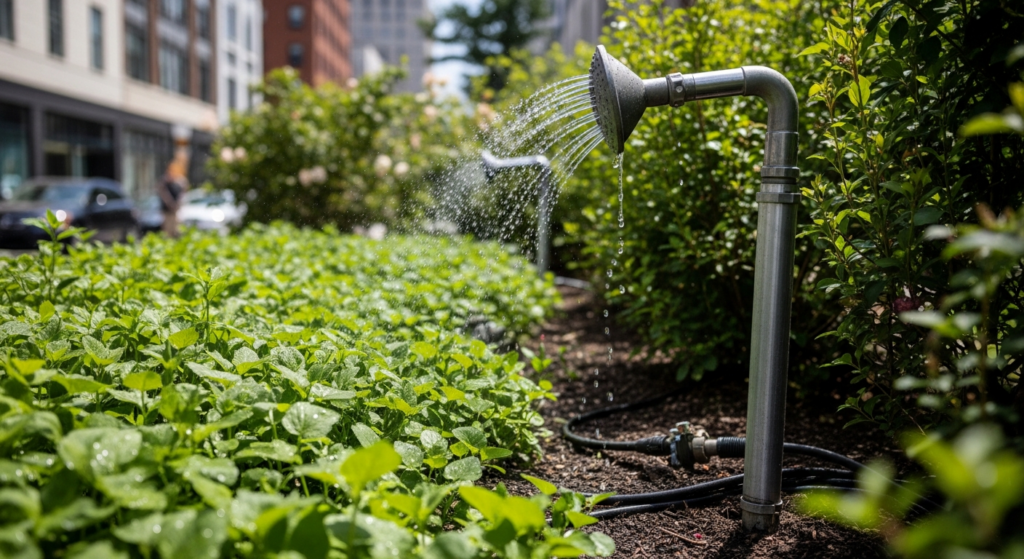
Charleston gardeners are navigating the challenges posed by sustained high temperatures, prompting a re-evaluation of watering schedules and plant care practices. The current summer season necessitates strategic adjustments to maintain plant health and conserve resources.
Effective watering timing is a primary concern. Experts suggest that irrigating plants during the cooler parts of the day, typically early morning, minimizes evaporation and allows water to penetrate the soil before the sun’s intensity increases. Watering deeply and less frequently encourages roots to grow deeper, making plants more resilient to heat stress. Overwatering, particularly in the evening, can contribute to fungal issues in humid conditions, a common concern in Charleston.
Monitoring plants for signs of stress is crucial. Wilting leaves, yellowing foliage, or stunted growth can indicate that plants are struggling with heat or insufficient water. Providing shade for sensitive plants during the hottest parts of the day, through temporary covers or strategic planting, can offer significant relief. Mulching around plants helps retain soil moisture, regulate soil temperature, and suppress weeds, further reducing competition for water.
Beyond watering, July outdoor-care tasks include selective pruning of dead or diseased branches, which can improve air circulation and reduce overall plant stress. Gardeners are also advised to avoid heavy fertilization during extreme heat, as this can stimulate new growth that is more susceptible to wilting. Instead, focusing on soil health through organic matter can improve water retention and nutrient availability.
For specific guidance tailored to the Lowcountry environment, gardeners can consult local resources. The Clemson Cooperative Extension offers research-based information on horticulture suitable for South Carolina’s climate. Additionally, local utility providers, such as the Charleston Water System, can offer insights into water conservation practices. Charleston County Government’s public services departments and local hardware stores may also provide practical advice and tools for managing gardens during hot weather.
### Why it matters in Charleston
The effective management of gardens and green spaces during periods of intense heat has direct implications for the livability and environmental health of Charleston. Public areas, such as those maintained by the Charleston County Government in parks like Hampton Park or Waterfront Park, require meticulous care to remain vibrant and functional for residents. Private gardens contribute to the city’s aesthetic and ecological diversity, but their health is directly tied to responsible water use and heat mitigation strategies. As the summer progresses, the collective effort to adapt gardening practices helps ensure the resilience of Charleston’s urban canopy and green infrastructure, impacting everything from local air quality to stormwater management and the overall quality of life.