Meta, the global technology conglomerate, is set to commence manufacturing its proprietary artificial intelligence chip in September. This strategic move is part of the company’s broader initiative to develop in-house training and inference accelerators, aiming to significantly expand its computing capacity to an estimated 14 gigawatts by 2027.
The development signals a deepening commitment by major tech players to control and optimize their AI infrastructure, moving beyond reliance solely on commercially available graphics processing units (GPUs). Meta’s custom-designed chips are intended to augment existing GPU capabilities, providing specialized hardware tailored to the company’s specific AI workloads and computational demands. This internal production strategy reflects a wider industry trend where companies are investing heavily in bespoke hardware to gain a competitive edge in the rapidly evolving AI landscape.
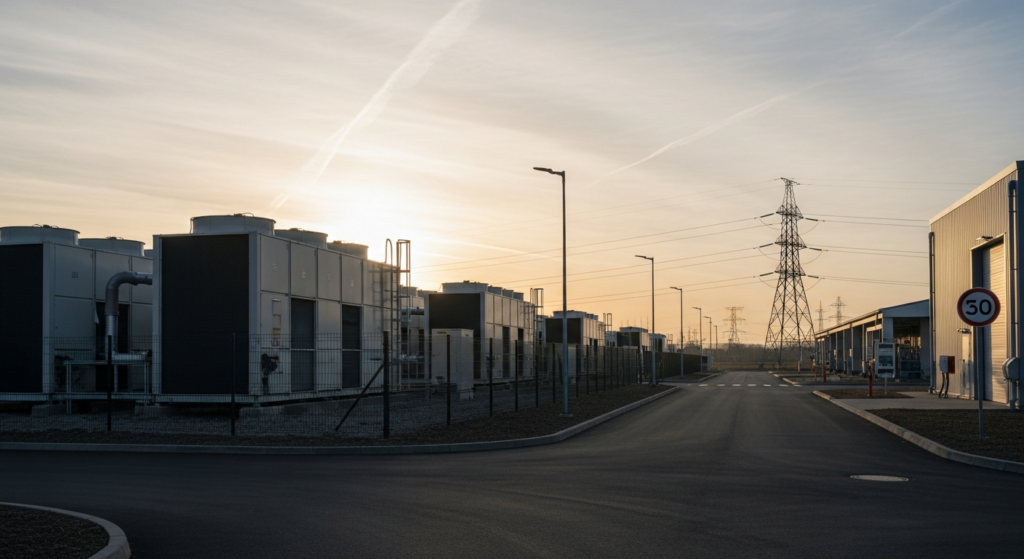
The scale of Meta’s planned expansion, targeting 14 gigawatts of computing power within the next year, highlights the immense energy and infrastructure requirements of advanced AI systems. Such a buildout necessitates substantial investments not only in chip manufacturing but also in data center construction, cooling technologies, and robust power grids capable of sustaining continuous, high-intensity operations. The demand for specialized components, from advanced semiconductors to high-efficiency power supplies, is expected to intensify across the supply chain.
For Charleston, this global acceleration in AI infrastructure development carries several implications. The Lowcountry region, with its growing technology sector and established industrial base, could experience both direct and indirect effects. Local technology employers, ranging from software developers to advanced manufacturing operations, may find themselves navigating a landscape of increased demand for AI-skilled talent and evolving technological standards.
Companies like Blackbaud, headquartered on Daniel Island, which develops cloud software for social good organizations, are constantly evaluating and integrating new technologies, including AI, into their platforms. The broader availability and specialization of AI hardware could influence their development cycles and operational strategies. Similarly, major employers such as The Boeing Company (Boeing South Carolina) and Joint Base Charleston, both with significant technological footprints, are increasingly leveraging AI and advanced computing for various applications, from design and manufacturing optimization to complex data analysis and defense systems. These entities represent potential consumers of advanced AI services and infrastructure, driving local demand for related expertise and support services.
The surge in demand for computing capacity also has implications for Charleston’s utility providers. Large-scale data centers, which house the hardware necessary for AI operations, are significant consumers of electricity. While specific plans for data center expansion in Charleston County linked to Meta’s initiative have not been announced, the overall trend of increasing AI infrastructure suggests a growing need for reliable and scalable power sources. This could prompt local utilities to assess their capacity and infrastructure development plans to meet future industrial demands, potentially influencing investment in energy generation and distribution within the region.
Furthermore, the emphasis on specialized AI chips and expanded computing capacity underscores the critical need for a skilled workforce capable of designing, deploying, and maintaining these complex systems. Educational institutions in Charleston, including the College of Charleston and The Citadel, The Military College of South Carolina, play a vital role in preparing the next generation of engineers, data scientists, and IT professionals. An increased focus on AI infrastructure could lead to expanded curricula, research opportunities, and partnerships aimed at developing the talent pool necessary to support a technologically advanced economy. This could create new career pathways for students and attract specialized talent to the area.
The ripple effects extend to local suppliers and businesses that support the technology ecosystem. From construction firms specializing in data center builds to companies providing IT consulting, cybersecurity, and maintenance services, the increased investment in AI infrastructure could generate new business opportunities. The overall business spending related to AI infrastructure, even if primarily driven by global corporations, contributes to a broader economic cycle that can benefit local economies through increased procurement, employment, and ancillary services.
Why it matters in Charleston
Meta’s strategic move to produce its own AI chips and significantly expand its computing capacity by 2027 marks a pivotal moment in the global AI race. For Charleston, this development is not merely a distant corporate announcement but a signal of accelerating trends that will shape the local economy and technological landscape. The increased demand for specialized hardware and immense computational power could drive new opportunities for technology employers like Blackbaud on Daniel Island, influencing their talent needs and operational strategies. It also highlights potential infrastructure pressures on local utility providers, who may need to plan for increased energy demands from data centers. Moreover, educational institutions such as the College of Charleston and The Citadel will be crucial in preparing a workforce equipped with the AI and computing skills necessary to capitalize on these evolving technological shifts, ensuring Charleston remains competitive in a future increasingly defined by artificial intelligence.