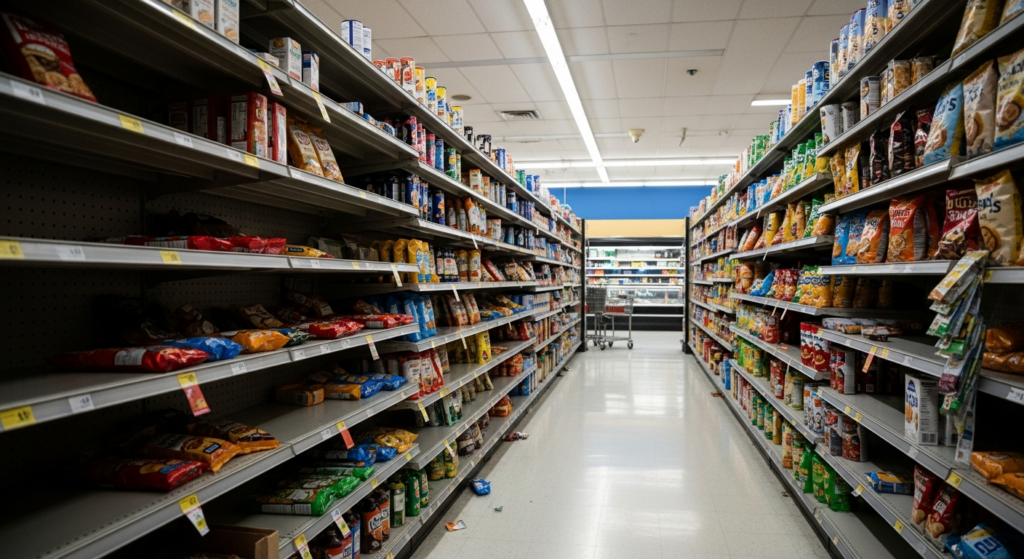
Recent national recalls of various snack foods, including popular chips, popcorn, and trail mixes, have raised concerns about potential salmonella contamination. The recalls, which also covered nut mixes, underscore the ongoing importance of food safety vigilance for consumers, particularly as many prepare for holiday gatherings in Charleston.
Salmonella is a bacterium that can cause salmonellosis, an infection characterized by fever, diarrhea, and abdominal cramps. Symptoms typically appear within 12 to 72 hours after infection and can last for four to seven days. While most individuals recover without specific treatment, salmonella infection can be severe and even life-threatening for vulnerable populations, including young children, the elderly, and those with weakened immune systems. In some cases, the infection can spread from the intestines to the bloodstream and other parts of the body, requiring hospitalization.
Food safety authorities have issued alerts regarding these recalled products, advising consumers to check their pantries for any affected items. The presence of salmonella is not typically detectable by sight, smell, or taste, making it crucial for individuals to rely on official recall notices. If a recalled product is found, it should not be consumed. Instead, consumers are generally advised to dispose of the product or return it to the place of purchase for a refund.
The widespread nature of these snack recalls means that products potentially affected could have been distributed to grocery stores and other retailers across the country, including those serving the Charleston area. With today being July 4th, many households may have purchased snacks for celebrations, making it particularly important to verify the safety of items on hand. Consumers are encouraged to remain informed about ongoing recall announcements from federal food safety agencies.
Why it matters in Charleston
The ongoing national recalls for salmonella contamination present a tangible public health concern for residents of Charleston. While no specific local outbreaks have been reported in connection with these recalls, the potential for contaminated products to reach local store shelves means that vigilance is paramount. Institutions like the Medical University of South Carolina (MUSC) play a critical role in public health monitoring and response. An increase in foodborne illnesses, even from a national recall, could place additional strain on emergency departments and public health resources, particularly during busy holiday periods. Ensuring the safety of the food supply chain is a continuous effort that directly impacts the well-being of every household in Charleston.