The holiday weekend, marked by widespread fireworks use, brought renewed warnings from public safety officials regarding the risks of burns, air quality degradation, and potential wildfires. These national advisories underscored the inherent dangers associated with consumer pyrotechnics, even as celebrations concluded across the country, including in Charleston, at the height of the summer season.
National safety organizations emphasized that despite their festive appeal, fireworks can cause severe injuries. Data consistently shows that thousands of individuals nationwide seek emergency medical attention annually for fireworks-related incidents. Common injuries include burns to the hands, face, and eyes, as well as lacerations and contusions. Children are particularly vulnerable, often sustaining injuries from sparklers, which can reach temperatures exceeding 1,000 degrees Fahrenheit. Safety guidelines universally recommend maintaining a safe distance from lit fireworks, never attempting to relight a dud, and keeping a bucket of water or a garden hose nearby for emergencies.
Beyond immediate physical harm, the environmental impact of fireworks also drew attention. The combustion of pyrotechnic devices releases fine particulate matter into the atmosphere, contributing to localized reductions in air quality. These microscopic particles can penetrate deep into the lungs, exacerbating respiratory conditions such as asthma and bronchitis, and posing risks to individuals with heart conditions. While the effects are often temporary and localized, concentrated displays over a short period can lead to measurable spikes in air pollution.
Wildfire risk emerged as another significant concern, particularly in areas prone to dry conditions. Spent fireworks, even those seemingly extinguished, can retain enough heat to ignite dry vegetation. This risk is amplified in regions with extensive natural landscapes or where residential areas border wildland-urban interfaces. The potential for errant sparks to trigger brush fires or larger blazes prompts consistent warnings from fire authorities nationwide.
### Why it matters in Charleston
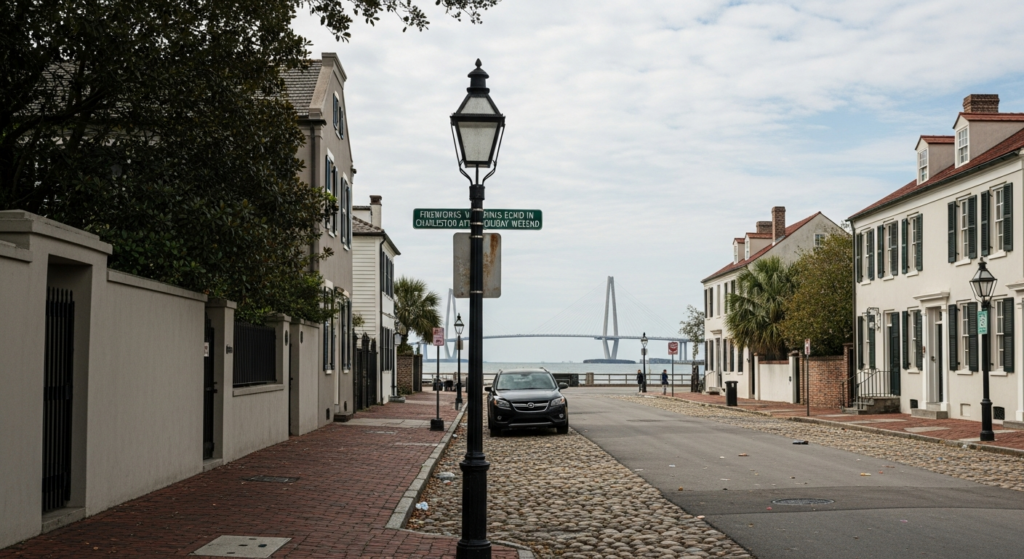
These national public safety concerns resonate directly within Charleston. The city, with its historic wooden structures, dense residential areas, and proximity to marshlands and natural preserves along the Ashley River and Cooper River, faces similar risks from unregulated fireworks use. Local emergency services, including those managed by Charleston County Government, are prepared to respond to incidents ranging from medical emergencies to fire outbreaks. Medical facilities like the Medical University of South Carolina (MUSC) routinely handle various types of trauma, and fireworks-related injuries add to the demands on emergency departments during holiday periods. The collective impact on air quality, even from dispersed consumer fireworks, contributes to the overall atmospheric burden in the Lowcountry, affecting residents with pre-existing respiratory conditions.