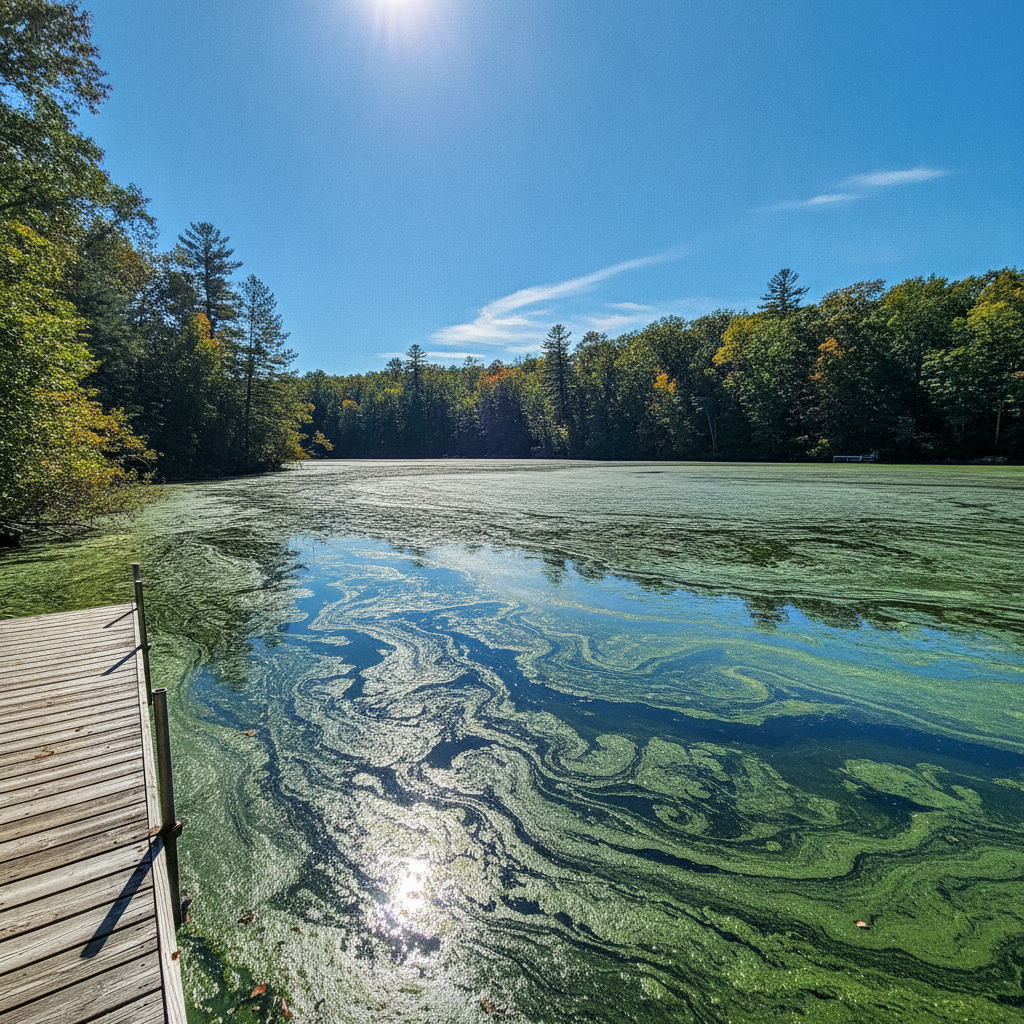
Algal blooms, similar to the one observed in Washington D.C.’s Reflecting Pool this summer, have been reported across South Carolina, prompting warnings about potential health risks. These blooms, which can appear as thick, discolored, and foul-smelling scum on water surfaces, are caused by a combination of nutrients, warm temperatures, sunlight, and slow-moving water.
Debabrata Sahoo, a Sustainable Water Resources Extension Specialist with Clemson University’s Department of Agricultural Sciences, explained that while algae are microscopic plant-like organisms vital for the ecosystem as a food source for fish, their rapid proliferation under certain conditions leads to blooms. The Reflecting Pool, with its shallow, slow-moving water, high temperatures, and ample sunlight, provided an ideal environment for algae growth.
Some algal blooms produce toxins that can be detrimental to aquatic ecosystems, potentially causing fish kills due to reduced oxygen levels. More critically, these toxins can harm people and animals. Exposure to harmful blooms can lead to headaches, nausea, diarrhea, stomach pain, and in severe cases, liver and kidney damage requiring hospitalization. The U.S. Centers for Disease Control and Prevention (CDC) notes that symptoms from touching or swallowing water containing cyanobacteria, or blue-green algae, can include rashes, coughing, watery eyes, nose irritation, and sore throats. Breathing in tiny water droplets can also cause these symptoms. More serious symptoms, such as seizures and irregular heartbeats, are typically associated with consuming contaminated seafood or water.
Animals are particularly vulnerable, with pets, livestock, and wildlife potentially becoming sick and dying within hours of ingesting harmful algal bloom toxins. Symptoms in animals include vomiting, loss of energy, stumbling, falling, and seizures. The South Carolina Department of Environmental Services (DES) monitors recreational waters for harmful algal blooms (HABs) and issues warnings when identified. Earlier this year, HABs were reported at Lake Hartwell and Broadway Lake near Anderson.
Human activities contribute significantly to these blooms, primarily through agricultural and stormwater runoff. Fertilizers, rich in phosphorus and nitrogen, act as food for algae and can enter water systems through runoff. Wastewater treatment plants also contribute these nutrients. Waterfowl, while susceptible to HABs, can also spread them through their fecal matter. Climate change further exacerbates the problem, with warmer temperatures and altered weather patterns, including intense storms and droughts, creating conditions favorable for extended bloom seasons and accelerated HAB potential.
Prevention is key, involving a multipronged approach. Sahoo recommends reducing fertilizer use, applying natural buffers like plants and trees to filter water, and avoiding fertilizer application before storm events. Newer technologies, such as nanobubblers, ultrasonic algae control systems, and chemical algaecides, can also help reduce blooms. However, Sahoo emphasizes the need for careful adoption of scalable technologies, as algae are essential for aquatic life.
AI-based technologies are under development to improve detection time and provide information to stakeholders. A 2022 CDC summary report indicated 372 HAB events across 15 states, resulting in 95 human illnesses and over 102,000 animal illnesses. The DES advises Charleston residents and others to evaluate water bodies before swimming, avoiding water that appears discolored, has a foul odor, or contains dead fish or animals. The general rule is: When in doubt, stay out.
Section: More Charleston SC politics news
Filed under: Charleston SC Politics News