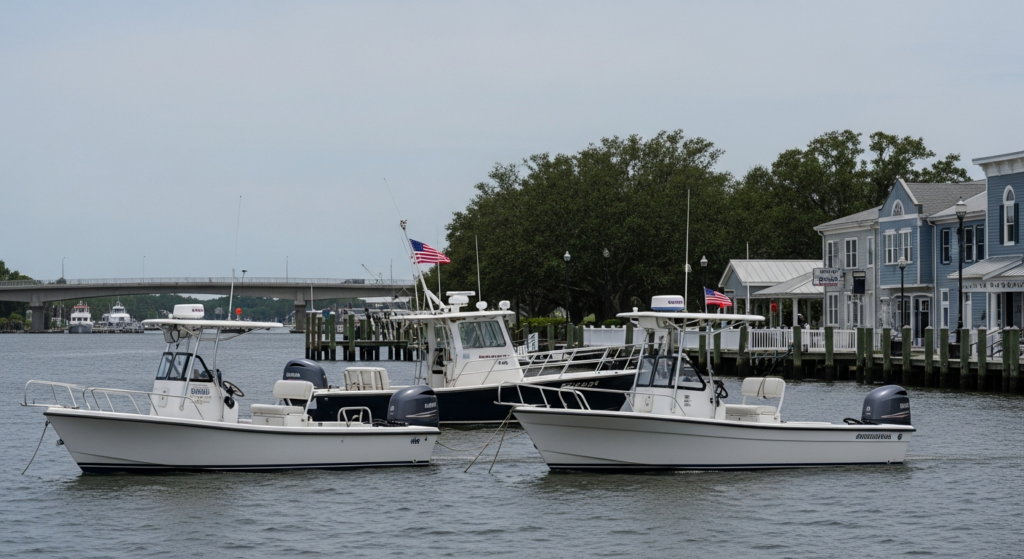
A comprehensive guide has been issued to help anglers navigate the inherent risks of fishing, particularly during the intense summer conditions prevalent in the Charleston area. The recommendations focus on preventing heat-related illnesses, protecting against sun exposure, and preparing for potential emergencies on both inland waterways and coastal excursions. The initiative underscores the importance of proactive safety measures for those enjoying the region’s abundant fishing opportunities.
Mitigating Sun Exposure
The guide highlights that the sun’s ultraviolet (UV) rays are at their strongest between 10 AM and 4 PM, a period when many anglers are on the water. It also points out that water surfaces can reflect a significant portion of UV radiation, up to 15%, intensifying exposure. To combat this, broad-spectrum sunscreen with a minimum SPF of 30 is recommended, with SPF 50 or higher preferred for extended periods on the water. Application should occur 30 minutes before going outside, and reapplication is advised every two hours, or more frequently if an individual is sweating heavily or frequently splashed.
Beyond sunscreen, protective clothing is crucial. The guide suggests lightweight, long-sleeved garments with a UPF (Ultraviolet Protection Factor) rating. Light-colored clothing is also recommended as it reflects sunlight more effectively than darker hues. A wide-brimmed hat, offering at least four inches of coverage around the entire head, is essential for protecting the face, ears, and neck. Polarized sunglasses that provide 100% UV protection are also a key component of sun safety, safeguarding eyes from both direct and reflected glare.
Prioritizing Hydration
Maintaining adequate hydration is paramount for anyone spending time outdoors, especially while actively fishing in Charleston’s summer heat. The guide advises drinking at least eight ounces of water every 15 to 20 minutes. Hydration efforts should begin the night before an outing, ensuring the body is well-prepared. Beverages high in caffeine or alcohol should be avoided, as they can contribute to dehydration rather than alleviate it.
Recognizing the signs of dehydration is critical for early intervention. Initial symptoms include increased thirst, a dry mouth, decreased urination, and general fatigue. If these signs are ignored, more severe symptoms can develop, such as dizziness, a rapid heartbeat, and confusion. Anglers are urged to monitor themselves and their companions for any of these indicators and to take immediate steps to rehydrate and cool down if they appear.
Responding to Heat Stroke
Heat stroke is identified as a life-threatening medical emergency requiring immediate action. Symptoms can include a body temperature exceeding 103°F, an altered mental state (such as confusion, irritability, or slurred speech), hot and dry skin (though sweating may still be present in some cases), a rapid and strong pulse, and potentially unconsciousness. The guide unequivocally states that 911 should be called immediately if heat stroke is suspected. While waiting for emergency services, aggressive cooling measures should be initiated, such as moving the individual to a cooler environment, removing excess clothing, and applying cool water or ice packs to the skin, particularly in the armpits, groin, and neck.
Boat Fishing Precautions
For those venturing out on the Ashley River, Cooper River, Wando River, or into Charleston Harbor by boat, specific precautions are outlined. Before departure, boaters should thoroughly check their engine cooling system to prevent breakdowns. All required safety equipment, including life jackets, fire extinguishers, and visual distress signals, must be onboard and in good working order. Filing a float plan with a trusted contact on shore is also strongly recommended, detailing the vessel’s route, destination, expected return time, and the number of people onboard.
Carrying extra water and emergency supplies is vital. The guide suggests having at least one gallon of water per person per day for emergencies, in addition to regular hydration. A working VHF radio is essential for communication, especially in areas where cell phone service may be unreliable. These measures collectively enhance safety and preparedness for unexpected situations on the water.
Why it matters in Charleston
The emphasis on fishing safety holds particular relevance for Charleston, a city deeply connected to its waterways. With the Ashley River, Cooper River, Wando River, and Stono River providing extensive opportunities for recreational fishing, thousands of residents and visitors take to the water annually. The Medical University of South Carolina (MUSC) frequently sees patients presenting with heat-related illnesses during the warmer months, underscoring the real-world impact of extreme heat. Adhering to these safety guidelines can significantly reduce the strain on local emergency services and healthcare providers, ensuring that fishing remains a safe and enjoyable pastime for all who participate in the Lowcountry’s vibrant outdoor culture.