With spring turkey hunting seasons still months away, seasoned hunters in South Carolina are already turning their attention to the meticulous preparation required for a successful and safe outing. This preseason period is critical for ensuring all gear is in optimal condition and that hunters are compliant with state regulations.
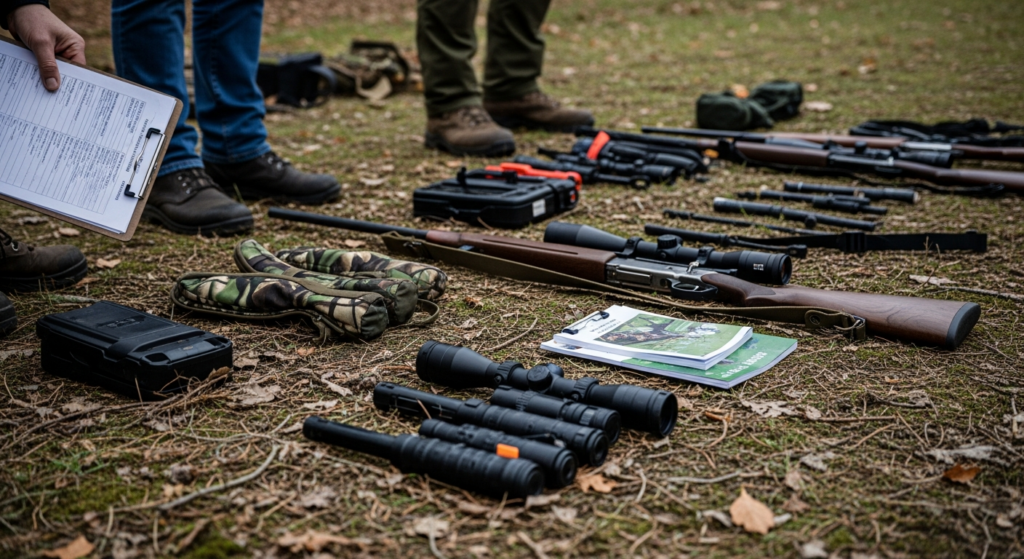
One of the most fundamental aspects of preparation involves legal documentation. Hunters must ensure their tags are readily accessible and paired with a reliable pen. This allows for immediate tagging of a harvested bird, a crucial step for remaining legal in the field. Beyond tags, understanding and adhering to South Carolina’s specific turkey-hunting rules is paramount, as regulations can vary by state and season.
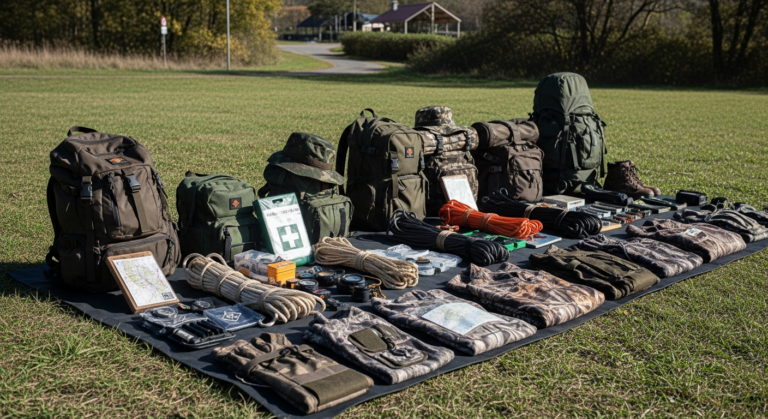
Concealment is a cornerstone of successful turkey hunting, given the wild turkey’s exceptional eyesight. Hunters are advised to invest in camouflage patterns that effectively break up their outline and movement within typical Lowcountry habitats, such as hardwood ridges and pine flats. Complete concealment extends to exposed skin, necessitating the use of gloves and a face mask to cover hands and faces, which can otherwise alert wary birds.
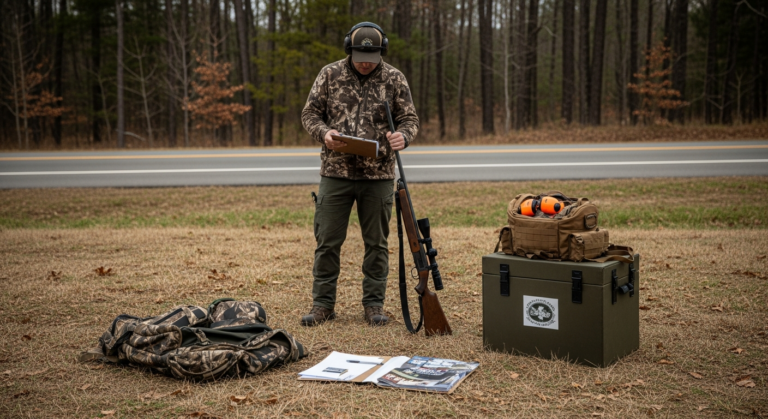
Weapon choice and preparation are equally vital. Most states, including South Carolina, permit turkeys to be taken with a shotgun, muzzleloader, or archery equipment. Shotgun hunters should carry enough ammunition not only for the hunt itself but also for pattern-testing. This involves firing at targets to determine the effective range and shot density of their chosen ammunition and choke combination. A properly installed turkey choke, matched to the ammunition, is essential for maximizing downrange performance. For bowhunters, the preseason offers an opportunity to ensure their setup is meticulously tuned and legal for the state. Practicing from realistic seated positions, mirroring how one might shoot from a ground blind or natural cover, is highly recommended. Researching and testing broadheads for accuracy, penetration, and reliability is also a critical step for archers.
Hearing protection is often overlooked but is crucial for long-term hunter safety. Electronic ear protection allows hunters to hear subtle turkey vocalizations and other environmental sounds while simultaneously protecting their hearing from the concussive blast of a shotgun.
Effective calling is a key skill in turkey hunting, and the preseason is the ideal time to practice and refine techniques. Hunters should consider carrying multiple call types to adapt to various situations and bird temperaments. Common options include diaphragm calls, slate or glass pot-and-striker calls, box calls, and even traditional wing bone calls. Proficiency with a range of calls can significantly increase success rates.
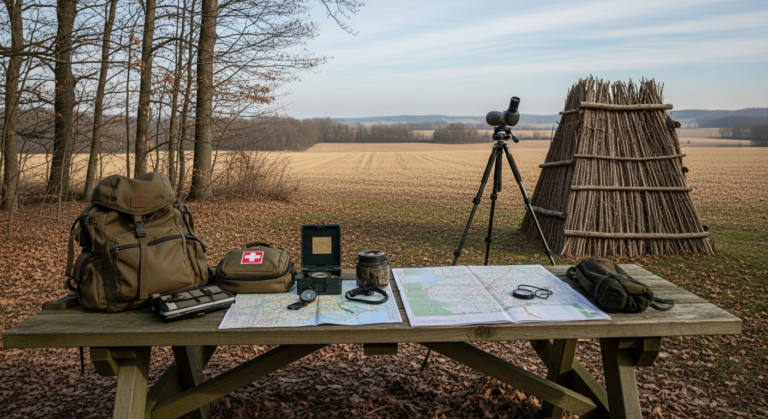
Navigation and understanding the hunting landscape are also essential. Modern mapping applications such as HuntStand and onX Hunt have become indispensable tools. These applications allow hunters to identify property boundaries, access points, potential roosting habitat, travel corridors, and legal hunting areas. Familiarity with these tools and the specific terrain around Charleston can prevent accidental trespassing and enhance strategic planning.
Beyond specialized hunting gear, a selection of general field essentials ensures comfort and safety. Adequate water and food are necessary for sustained periods in the field. A sharp, reliable knife is indispensable for field dressing and processing a harvested bird. Optics, such as binoculars, aid in spotting distant turkeys or scouting new areas. A compact first aid kit is a non-negotiable item, prepared for minor injuries or emergencies. All these items, along with calls and ammunition, can be efficiently organized in a dedicated turkey vest or a lightweight backpack.
For comfort and protection during spring hunts, especially as insect activity increases, hunters may consider clothing treated with permethrin for tick protection. A Thermacell device can provide relief from mosquitoes during peak insect season. Finally, optional gear, such as rangefinders for precise distance measurement or shooting sticks for enhanced stability, should be tailored to individual hunting styles and the expected conditions in the Charleston Lowcountry.
Why it matters in Charleston
Turkey hunting, like other forms of outdoor recreation, plays a significant role in the cultural fabric and local economy of the Charleston area and the broader Lowcountry region. The preparation and participation in these activities support local businesses that supply gear, ammunition, and other necessities. Furthermore, responsible hunting practices contribute to wildlife management and conservation efforts, which are vital for maintaining the ecological health of natural areas like those surrounding the Ashley River and Cooper River. For residents, engagement in outdoor pursuits like turkey hunting fosters a connection to the natural environment and promotes a tradition of stewardship, often supported by the Charleston County Government’s parks and green spaces initiatives that encourage responsible use of natural resources. Ensuring hunters are well-prepared and adhere to regulations helps preserve these traditions and the health of the local ecosystem for future generations.