A detailed storm preparation guide, originally published on October 14, 2025, and updated on May 27, 2026, offers Charleston homeowners a structured approach to safeguarding their properties and families. The resource emphasizes a phased strategy, beginning well in advance of any specific storm threat. Authored by Rob Temples, who brings over a decade of experience in the restoration industry and holds an IICRC Water Restoration Technician certification, the guide provides actionable steps for various stages of readiness.
The preparation strategy is segmented into three distinct phases, designed to address varying levels of urgency and allow for proactive measures. Basic preparations are recommended to commence two to three months before the typical storm season in Charleston. This proactive period allows for less immediate, but crucial, maintenance and inspections. As a specific storm forecast solidifies, a more intensive protection plan should be activated three to five days before the anticipated arrival. The final, most urgent actions are to be completed within the 24 hours leading up to the storm.
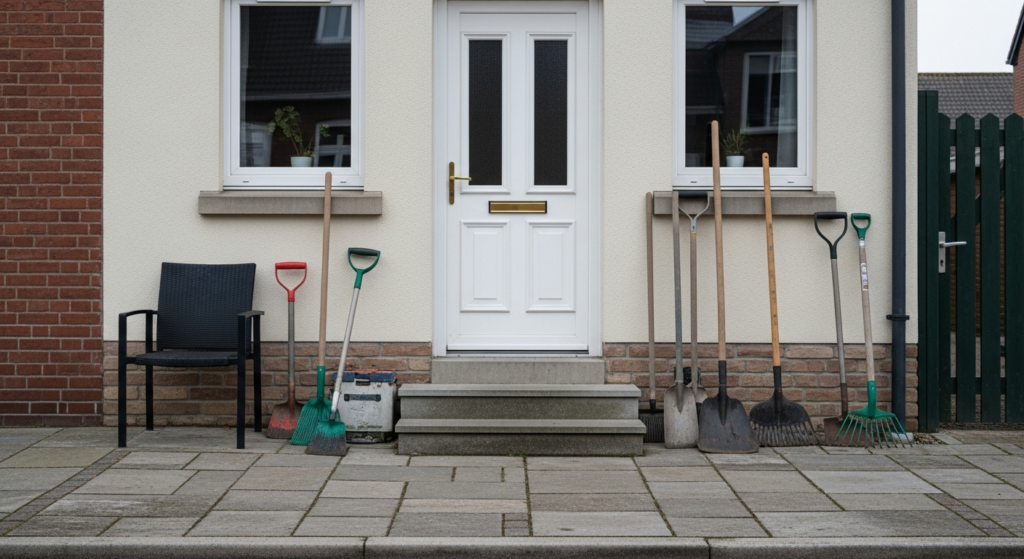
Exterior home maintenance forms a critical component of the early preparation phase. Homeowners are advised to thoroughly inspect their roofs for any signs of damage or weakness that could be exacerbated by high winds or heavy rainfall. Cleaning gutters and downspouts is also essential to ensure proper water flow, preventing overflow that can lead to foundation issues or water intrusion. The guide specifically recommends directing downspout water five to ten feet away from the foundation to minimize saturation around the home’s base. Furthermore, trimming tree branches within ten feet of the home or power lines can significantly reduce the risk of structural damage or power outages from falling limbs. Securing any loose outdoor items, from patio furniture to decorative elements, is another key step to prevent them from becoming projectiles in strong winds. Finally, a thorough check of windows and doors for proper sealing and locking mechanisms can prevent water leaks and reinforce the building envelope.
Beyond the immediate exterior, the guide delves into protecting the home’s foundation and drainage systems. It recommends grading the soil around the property to ensure it slopes at least six inches over a ten-foot distance away from the foundation. This natural incline helps channel rainwater away from the structure, mitigating the risk of water pooling and subsequent damage. For homes equipped with sump pumps, regular testing is advised to confirm they are in proper working order before a storm hits. Identifying vulnerable entry points, such as basement windows or ground-level vents, allows homeowners to proactively reinforce them. Checking basement and garage floor drains ensures they are clear of debris and functioning correctly to handle any potential water intrusion.
Assembling an emergency supply kit is another cornerstone of readiness, with the guide stressing the importance of having provisions for at least 72 hours. This kit should include one gallon of water per person per day for drinking and sanitation, along with a supply of non-perishable food items. Essential tools like flashlights and a sufficient stock of batteries are crucial for navigating power outages. A well-stocked first-aid kit, any necessary prescription medications, and a battery-powered or hand-crank radio for receiving emergency broadcasts are also vital. Phone chargers, especially portable power banks, ensure communication capabilities remain active. Keeping a supply of cash on hand is recommended, as electronic payment systems may be disrupted. For households with pets, specific pet supplies, including food, water, and any necessary medications, should be included.
When a storm is specifically forecast to impact Charleston, a series of immediate actions become necessary. All outdoor items that could become airborne should be brought inside. Homeowners should install storm shutters or securely board up windows with plywood to protect against flying debris and high winds. Placing sandbags around vulnerable entry points, particularly low-lying doors or garage entrances, can help divert floodwaters. Filling bathtubs and other containers with water provides a reserve for sanitation purposes if the main water supply is compromised. Charging all mobile devices and portable power banks ensures communication and light sources are available. Filling vehicle fuel tanks is prudent, both for potential evacuation and to power generators if needed. Moving valuable items and important documents to higher floors can protect them from ground-level flooding. Finally, documenting the home’s condition with photos or videos before the storm provides a record that can be invaluable for insurance claims after the event.
The guide also outlines specific scenarios where professional assistance is warranted, emphasizing that some issues extend beyond typical homeowner capabilities. Significant roof damage, such as large missing sections or structural compromise, requires expert repair. Dangerous or diseased trees that pose a risk of falling should be addressed by certified arborists. Persistent foundation or water-seepage problems often indicate deeper structural issues requiring professional assessment. Sump pump installation or replacement, especially if it involves electrical work, is best left to qualified technicians. Any visible electrical hazards, such as frayed wires or sparking outlets, demand immediate professional attention. The presence of visible mold, particularly if widespread, suggests a moisture problem that needs professional remediation. Structural damage, gas leaks, and downed power lines are all critical emergencies that necessitate immediate contact with relevant utility companies or emergency services. Active water intrusion that cannot be stopped, or sewage backups, also require prompt professional intervention to prevent further damage and health risks.
The comprehensive resource, which also includes safety guidance, troubleshooting thresholds, annual maintenance recommendations, technology tools, room-by-room steps, emergency contacts, and post-storm instructions, serves as a vital tool for residents navigating the challenges of severe weather.
Why it matters in Charleston
Given Charleston’s coastal location and historical vulnerability to hurricanes and tropical storms, proactive storm preparation is not merely a recommendation but a critical aspect of community resilience. Institutions like the Medical University of South Carolina (MUSC) and Roper St. Francis Healthcare frequently see increased demand for services both before and after severe weather events, underscoring the broader community impact of individual preparedness. By following comprehensive guides such as this, residents can reduce the strain on emergency services, minimize property damage, and contribute to a faster, more efficient recovery for the entire Charleston County region. Protecting homes and ensuring family safety directly supports the stability of the local economy and the well-being of its population.