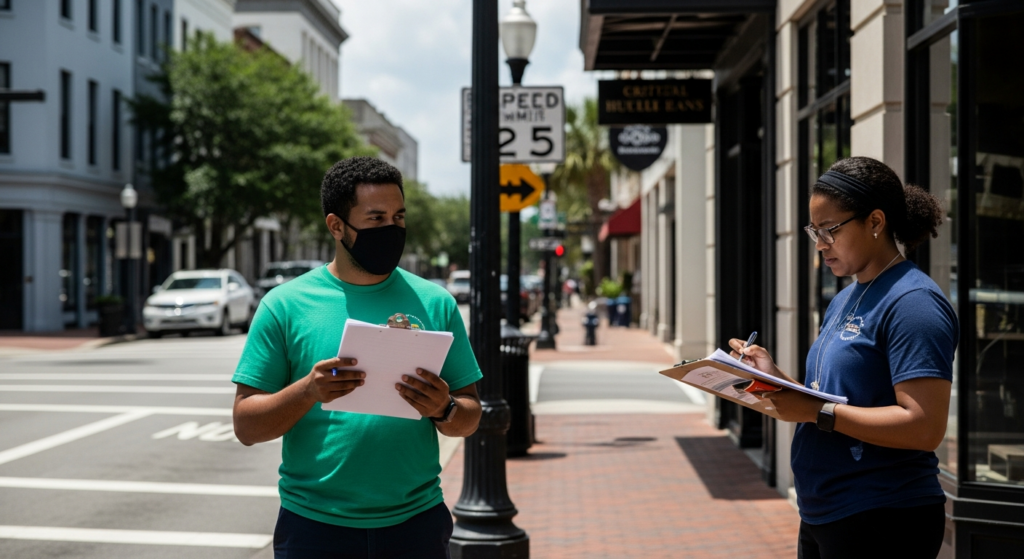
Charleston, SC – With the region experiencing its characteristic summer heat, public health advisories are emphasizing the critical importance of understanding and responding to heat-related illnesses. The guidance comes as communities nationwide continue to grapple with the health risks posed by extreme temperatures, which contributed to 294 weather-related deaths across the United States in 2023.
Experts highlight several groups as particularly vulnerable to the effects of excessive heat. These include individuals whose occupations require them to work outdoors, such as those in construction, port operations, or maintenance roles at facilities like Joint Base Charleston or The Boeing Company’s South Carolina plant. Infants and young children are also at high risk, especially if inadvertently left in hot vehicles. The elderly, individuals aged 65 and older, are another key demographic requiring careful monitoring, as are those with pre-existing chronic health conditions, those taking certain medications, or individuals who are overweight.
For outdoor workers, specific precautions are recommended to mitigate the dangers of prolonged heat exposure. Employers and workers alike are advised to implement shorter shifts, particularly for those not yet acclimated to the summer conditions. Consistent hydration is paramount; individuals should consume fluids regularly, even before feeling thirsty, and avoid alcohol, which can exacerbate dehydration. Monitoring coworkers for symptoms of heat stress is a collective responsibility, fostering an environment where early intervention is possible. Scheduled breaks in cool, shaded areas are also crucial for rest and recovery throughout the workday.
Preventive measures extend beyond the workplace to daily life in Charleston. Utilizing air conditioning is one of the most effective ways to stay cool indoors. When venturing outside, wearing loose-fitting, lightweight clothing and a wide-brimmed hat can help reduce heat absorption. Replacing salts lost through sweating with fruit juices or sports drinks is advisable, particularly after strenuous activity. Health officials also recommend avoiding outdoor activities between 11 a.m. and 3 p.m., when the sun’s intensity is typically at its peak. Applying sunscreen and pacing physical exertion are additional steps to prevent overheating. Furthermore, community members are encouraged to check on elderly, house-bound, or otherwise vulnerable neighbors, particularly during extended periods of high temperatures.
Recognizing the signs of heat-related illness is crucial for timely intervention. Heat exhaustion, a less severe but still serious condition, can manifest with symptoms such as pale, ashen, or moist skin; muscle cramps; profound fatigue, weakness, or exhaustion; headaches, dizziness, or fainting spells; nausea or vomiting; and a rapid heart rate. If these symptoms appear, moving the individual to a cooler environment, providing sips of water, and loosening clothing can help.
Heat stroke, however, represents a medical emergency requiring immediate professional attention. Signs of heat stroke include a dangerously elevated body temperature, typically above 103 degrees Fahrenheit. The skin may appear flushed, dry, and hot, with sweating often having ceased. Other indicators can include rapid breathing, severe headache, dizziness, confusion, or other altered mental states. Individuals may also exhibit irrational or belligerent behavior, experience convulsions, or become unresponsive.
In the event of suspected heat stroke, immediate action is vital. The first step is to call 911 without delay. While awaiting emergency medical services, move the victim to the coolest available place and remove any unnecessary clothing. Rapidly cooling the victim is paramount; this can be achieved through cold-water immersion or by applying cold, wet towels to the skin. Continue cooling efforts until the body temperature falls to approximately 101 degrees Fahrenheit. Throughout this process, monitor the victim’s breathing and be prepared to administer cardiopulmonary resuscitation (CPR) if necessary.
Why it matters in Charleston
The persistent summer heat in the Lowcountry makes understanding and preparing for heat-related illnesses particularly relevant for residents of Charleston. With a significant portion of the workforce engaged in outdoor industries, from maritime operations along the Cooper River to construction projects across Charleston County, the risk of heat exhaustion and heat stroke is a tangible concern. Healthcare providers like the Medical University of South Carolina (MUSC) and Roper St. Francis Healthcare often see an increase in heat-related cases during the summer months. Proactive measures and community vigilance, particularly in neighborhoods with older populations such as South of Broad or Harleston Village, are essential to safeguard public health and prevent serious outcomes in this coastal environment. Adhering to these guidelines helps ensure the well-being of all who live and work in the Charleston area.