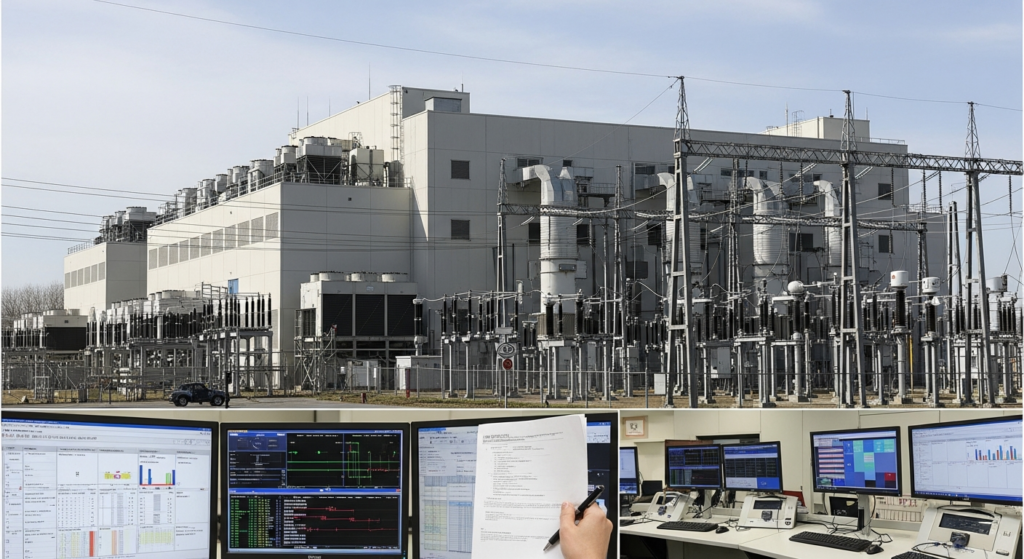
The rapid expansion of artificial intelligence technologies is driving an unprecedented surge in demand for data centers, placing new pressures on power grids and influencing economic development strategies in regions like Charleston.
Globally, the computational intensity required for AI models translates into significant electricity consumption. Data centers, which house the servers and networking equipment necessary for these operations, are becoming increasingly power-hungry. This trend has prompted a reevaluation of existing electrical infrastructure and long-term energy planning by utility companies and local governments nationwide.
For communities seeking to attract or retain technology-driven industries, the availability of robust and reliable power is now a paramount consideration. Site selection for new data centers is increasingly dictated not just by land availability or fiber optic connectivity, but by the immediate and projected capacity of the local power grid. This shift means that regions with ample, stable, and expandable energy resources gain a competitive edge in the evolving economic landscape.
In Charleston County, where economic growth and technological advancement are ongoing priorities, the implications of this national trend are significant. Major employers such as The Boeing Company (Boeing South Carolina) and Volvo Cars USA, both with substantial manufacturing operations, rely heavily on a stable and sufficient power supply. Similarly, critical institutions like the Medical University of South Carolina (MUSC) and Joint Base Charleston require uninterrupted electricity for their complex operations, from advanced medical research to national security functions.
Local power providers and Charleston County Government are tasked with balancing the energy needs of existing industries and residents with the potential demands of future high-tech developments. Planning for grid capacity involves not only forecasting growth but also considering the environmental impact of increased energy generation and the infrastructure required to deliver it. The presence of significant waterways like the Ashley River and Cooper River, while not directly tied to power generation, could be a factor for data centers requiring substantial cooling, adding another layer to environmental and infrastructure considerations.
Companies like Blackbaud, headquartered on Daniel Island, represent the kind of technology presence in the Charleston area that could be both a user of advanced data services and an indicator of the region’s tech readiness. Ensuring that the Lowcountry region can support such enterprises, alongside potential new entrants, requires strategic foresight in energy policy and infrastructure investment.
The challenge for Charleston, as for many growing metropolitan areas, is to ensure that its energy infrastructure can keep pace with the accelerating demands of the digital economy without compromising reliability or sustainability. This involves intricate coordination between municipal planners, utility providers, and economic development agencies to anticipate future needs and proactively invest in the necessary upgrades and expansions.
### Why it matters in Charleston
The escalating demand for AI data centers directly impacts Charleston’s long-term economic vitality and infrastructure planning. Institutions like the Medical University of South Carolina (MUSC) and major employers such as The Boeing Company and Volvo Cars USA depend on a robust and reliable power grid to sustain their operations and future expansion. As the national competition for data center sites intensifies, Charleston County’s ability to offer sufficient and stable energy resources will be a critical factor in attracting new technology investments and supporting existing industries. Proactive planning by local utility providers and the Charleston County Government is essential to ensure the region remains competitive and resilient in the face of evolving energy demands, safeguarding both essential services and economic growth opportunities.