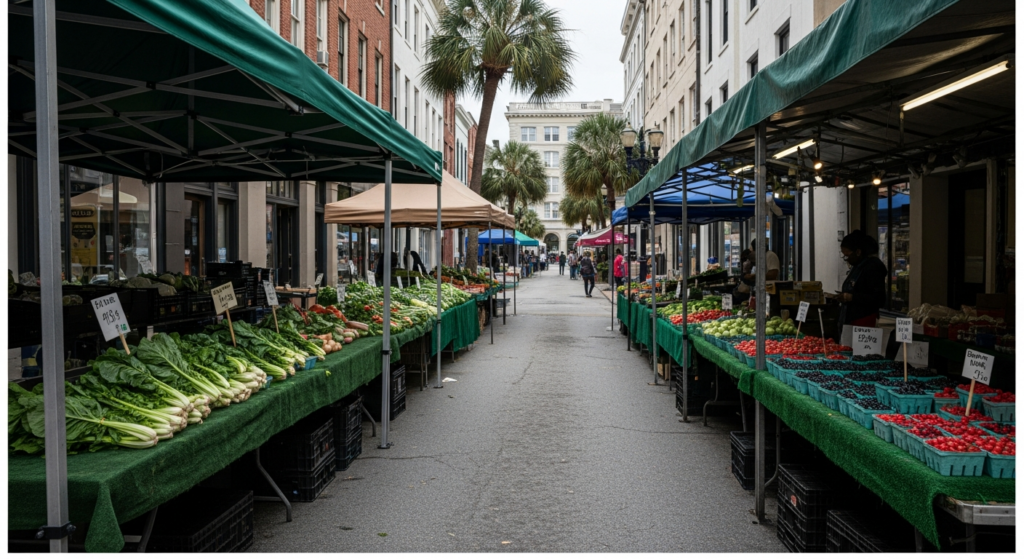
A multi-state health concern regarding Cyclospora, a microscopic parasite that can cause intestinal illness, has prompted renewed public health advisories across the country. The parasite is frequently linked to the consumption of fresh produce that has been contaminated.
Cyclospora infection, known as cyclosporiasis, can lead to severe gastrointestinal symptoms including watery diarrhea, loss of appetite, weight loss, stomach cramps, nausea, and prolonged fatigue. Symptoms can appear anywhere from one week to several weeks after consuming contaminated food or water. While the current reports describe a widespread issue across multiple states, specific local outbreak numbers for Charleston have not been reported. However, the general guidance on food safety remains pertinent for all residents.
Health authorities emphasize that Cyclospora is not spread directly from person to person. Instead, it is typically transmitted through food or water contaminated with feces containing the parasite. Raw fruits and vegetables are common culprits because they are often consumed without cooking, which would otherwise kill the parasite. Produce items such as berries, leafy greens, and herbs have historically been associated with Cyclospora outbreaks.
To mitigate the risk of cyclosporiasis and other foodborne illnesses, consumers are advised to adopt rigorous food safety practices, particularly during the summer months when fresh produce is abundant and often consumed raw in salads, fruit platters, and outdoor meals. These practices are foundational to preventing the spread of pathogens in any household or food service setting in Charleston.
Key recommendations include:
* Washing Produce Thoroughly: All raw fruits and vegetables should be washed thoroughly under running water before eating, cutting, or cooking. This applies even to produce with rinds or peels that are not consumed, as contaminants on the surface can be transferred to the edible portion when cut. Scrub firm produce, such as melons and cucumbers, with a clean vegetable brush. Drying produce with a clean cloth or paper towel can further help remove residual contaminants.
* Separating Produce: Keep raw fruits and vegetables separate from raw meat, poultry, and seafood, both in the grocery cart and during food preparation. Use separate cutting boards, plates, and utensils for produce and raw animal products to prevent cross-contamination.
* Cleaning Utensils and Surfaces: Wash hands with soap and warm water for at least 20 seconds before and after handling produce. Ensure all surfaces, cutting boards, and utensils that come into contact with raw produce are cleaned thoroughly with hot, soapy water.
* Refrigeration: Promptly refrigerate cut, peeled, or cooked fruits and vegetables within two hours. If the ambient temperature is above 90°F, refrigerate within one hour.
While the current advisories are broad, they serve as an important reminder for local grocery shoppers, restaurant operators, and home cooks in Charleston. The Medical University of South Carolina (MUSC) and Roper St. Francis Healthcare, key healthcare providers in the region, consistently advocate for preventative health measures, including robust food safety practices. Adhering to these guidelines helps protect individual health and contributes to the overall well-being of the community, especially as families gather for summer activities and meals.
### Why it matters in Charleston
The ongoing multi-state concern regarding Cyclospora underscores the continuous need for vigilance in food safety practices within Charleston. While no specific local outbreak has been identified, the general health advisories are directly relevant to the city’s public health infrastructure and its residents. Institutions like the Medical University of South Carolina (MUSC) and Roper St. Francis Healthcare are at the forefront of community health, and preventative measures such as proper produce handling reduce the burden on healthcare systems. Furthermore, with Charleston’s vibrant culinary scene and reliance on fresh ingredients, ensuring the safety of raw produce is paramount for both consumers and food service establishments, safeguarding public health across the Charleston County area.