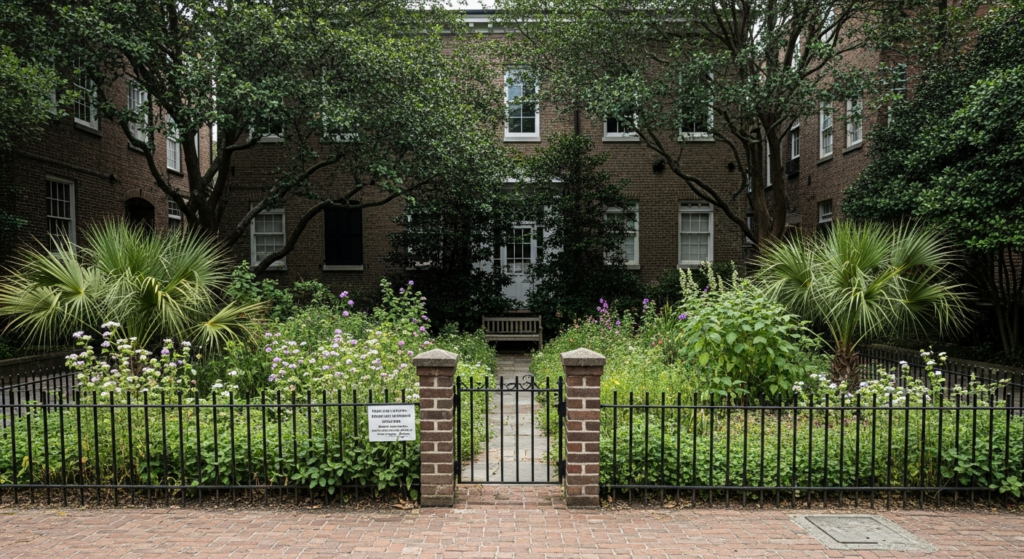
New guidance for gardeners in Charleston addresses optimal watering practices and strategies to mitigate plant stress during periods of high heat. The recommendations come as local residents navigate the sustained high temperatures common in the region’s summer months.
The advice centers on dispelling common misconceptions about watering during hot weather and providing actionable steps to ensure plant health. Experts emphasize that watering plants on hot days, particularly in the early morning, is crucial and does not harm foliage, contrary to some popular beliefs. The primary goal is to deliver water directly to the root zone, allowing plants to absorb moisture before the most intense heat of the day causes rapid evaporation.
Deep and infrequent watering is highlighted as more effective than shallow, frequent applications. This method encourages roots to grow deeper into the soil, making plants more resilient to dry spells and heat stress. Gardeners are encouraged to check soil moisture levels before watering, ensuring that the ground is adequately dry a few inches below the surface to prevent overwatering, which can also be detrimental.
Beyond watering, the guidance outlines several methods to reduce overall plant stress. Mulching is a key recommendation, as a layer of organic material around plants helps retain soil moisture, regulate soil temperature, and suppress weeds. This creates a more stable environment for roots, reducing the strain on plants during extreme heat.
Providing temporary shade for sensitive plants is another effective strategy. This can be achieved using shade cloth, temporary structures, or by strategically planting taller, more heat-tolerant species to offer natural protection. Proper plant selection, favoring varieties known to thrive in Charleston’s humid, hot climate, is also a long-term approach to building a resilient garden.
A separate July gardening guide further details seasonal tasks and general plant-care reminders pertinent to hot-weather conditions. These reminders often include advice on avoiding heavy fertilization during heat waves, as this can stimulate new growth that is more susceptible to stress, and ensuring good air circulation around plants to deter fungal diseases that can proliferate in humid conditions.
The collective guidance aims to equip gardeners with the knowledge to maintain thriving landscapes, from small container gardens to extensive backyard plots, throughout the challenging summer season in Charleston County.
### Why it matters in Charleston
The guidance on heat-wave gardening holds particular relevance for residents of Charleston and the broader Lowcountry region, where the summer months often bring sustained periods of high temperatures and humidity. Maintaining healthy gardens and landscapes, from private yards to public spaces like Hampton Park and Waterfront Park, requires specific strategies to combat environmental stress. Understanding optimal watering techniques and plant care can help preserve the city’s distinctive flora and ensure the longevity of both ornamental and food-producing gardens throughout Charleston County’s warm season.