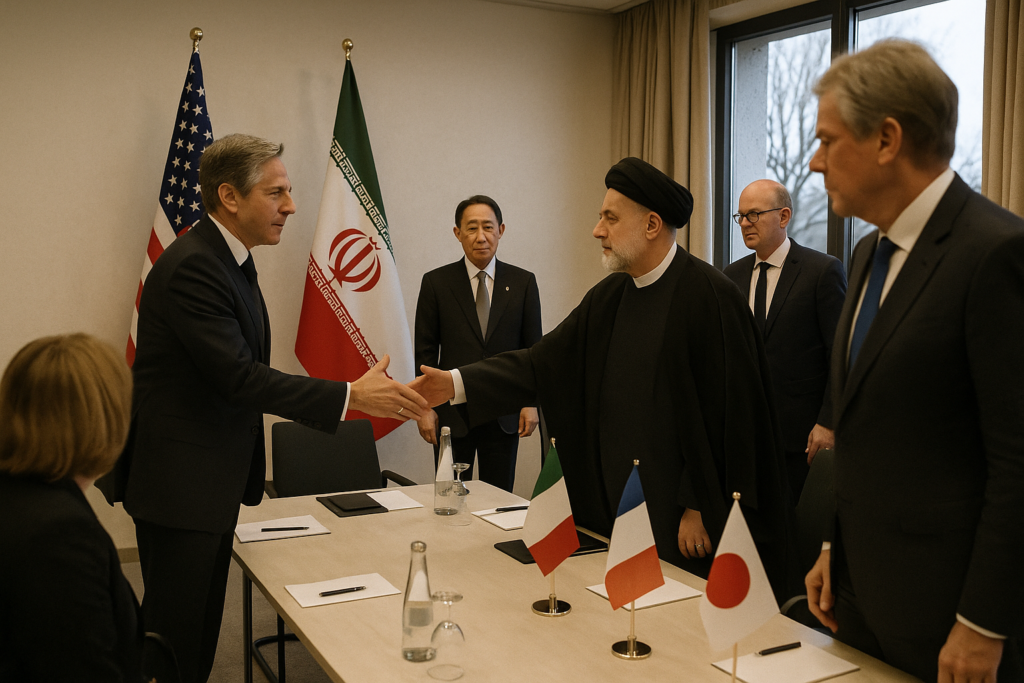
U.S. and Iranian officials have outlined an initial framework to halt hostilities and resume traffic through the strategically vital Strait of Hormuz. This development comes as part of ongoing diplomatic efforts, with a formal signing scheduled for Friday in Switzerland, according to international reports.
The Strait of Hormuz, a crucial passage for global oil shipments, has been a flashpoint for tensions between the two nations. The current agreement aims to mitigate military risks and stabilize energy security, which is of paramount importance not only to the U.S. but also to its allies, including those attending the upcoming G7 summit.
While the framework marks a significant step towards de-escalation, many details remain unclear, particularly regarding the timeline for reopening the strait and the full scope of the agreement. Analysts suggest that the lack of public details may indicate ongoing negotiations and potential hurdles that could arise before a comprehensive deal is finalized.
The implications of this agreement extend beyond U.S.-Iran relations; they resonate deeply within the context of global energy markets and military strategy. The G7 nations, which include Canada, France, Germany, Italy, Japan, the United Kingdom, and the United States, are closely monitoring these developments as they prepare for discussions on energy security and geopolitical stability.
In Charleston, the local economy is also influenced by global energy trends. The city’s major employers, such as the Medical University of South Carolina and The Boeing Company, are part of a broader economic landscape that could feel the effects of shifts in energy prices and availability. As the situation unfolds, local businesses and policymakers will need to stay attuned to how international agreements impact domestic markets and energy supplies.
The ongoing dialogue surrounding the Strait of Hormuz and U.S.-Iran relations highlights the interconnectedness of global diplomacy and local economies. As Charleston continues to grow as a hub for various industries, understanding these dynamics will be essential for local leaders and businesses alike.
The expected signing of the framework deal represents not just a potential easing of tensions but also a pivotal moment in international relations that could reshape energy policies worldwide. As the G7 prepares to address these issues, the outcomes of this agreement will likely influence discussions on energy security and military cooperation among member nations.
The situation remains fluid, with many stakeholders invested in the outcome. The public will be watching closely as details emerge from the negotiations in Switzerland, particularly regarding how this agreement may affect U.S. foreign policy and energy security moving forward.