

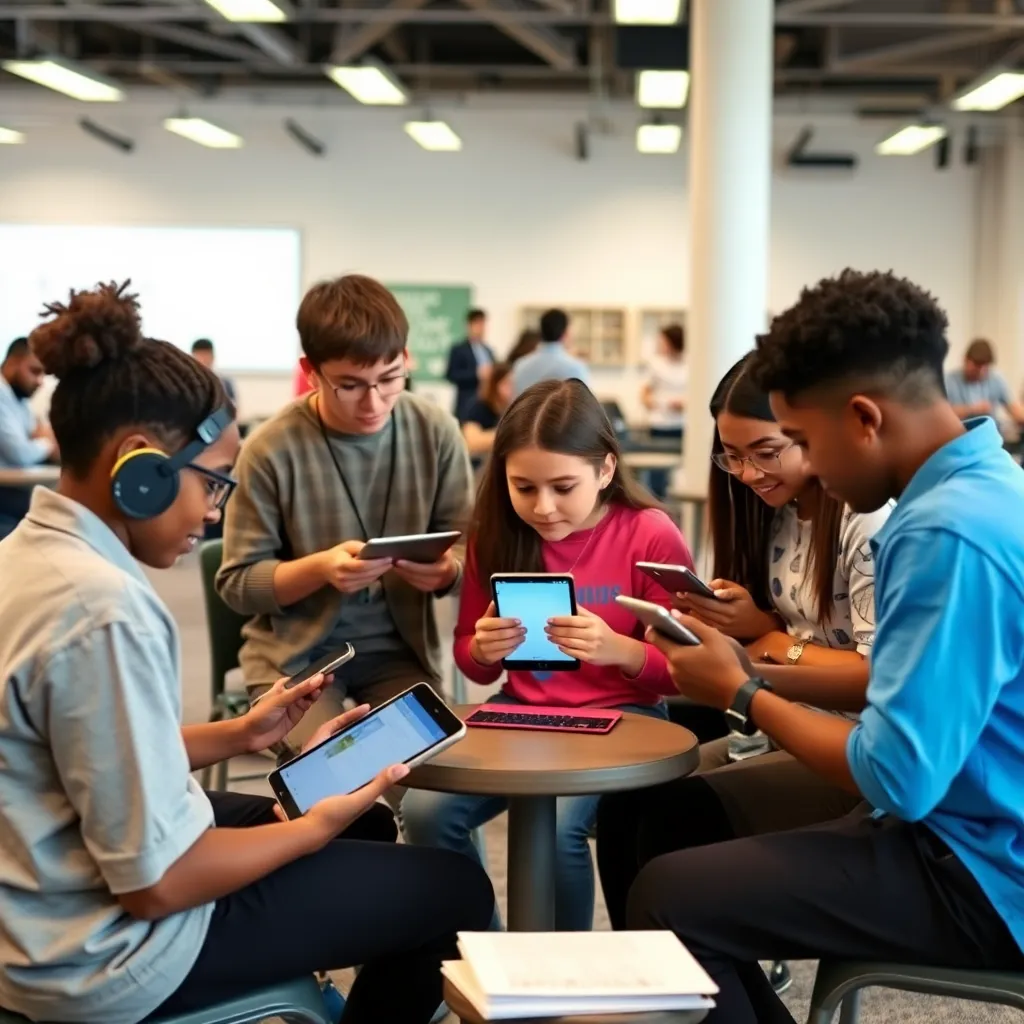
New Study Reveals Shift in Technology Engagement Among College Students in Boston
Boston – A recent study conducted by Boston University reveals significant changes in the way college students engage with technology and digital media. The report, published on November 18, 2024, highlights trends affecting both educational methods and social interactions on campus.
Who Conducted the Study?
The investigation was led by a team of researchers at Boston University, aiming to understand the evolving relationship between students and technology. Researchers surveyed over 1,000 students from diverse backgrounds across various disciplines to gather comprehensive data.
What Did the Study Find?
The study uncovered that _more than 70 percent_ of college students now use ad-blocking software during their online activities. The researchers indicated that this trend has implications for both digital advertising practices and the way content is consumed by students. The survey also discovered that students who utilize ad blockers reported feeling overwhelmed by advertisements, leading to an increased reliance on software to manage their online experiences.
Where Are These Changes Happening?
The findings specifically pertain to college campuses in _Boston_, where technology access and the impact of online ads are critical to students’ daily lives. The researchers stressed that these patterns reflect a broader shift in how young adults interact with technology across educational environments.
When Was the Study Conducted?
The data collection phase took place over several weeks in October and early November 2024, with the final report released on November 18, 2024. Researchers aimed to ensure that the data accurately reflected recent trends and behaviors among students.
Why Is This Study Important?
The insights from this study are vital, as they shed light on the growing concern surrounding digital advertising and its impact on user experience. The findings suggest that students are not only seeking educational content but are also becoming increasingly savvy about their online presence. This awareness about ad fatigue could lead to future changes in how educational institutions communicate with students.
Implications of the Findings
These results may signal a need for institutions to reevaluate their digital marketing strategies and find new ways to engage students without overwhelming them with ads. As students seek more meaningful interactions with content, it becomes essential for universities to adapt to their preferences.
Conclusion and Future Directions
The Boston University study provides valuable insights into the intersection of education and technology. The growing adoption of ad-blocking tools indicates a shift in preferences that educators must acknowledge. As colleges continue to adapt to these changes, understanding student needs regarding technology will be crucial for effective communication and engagement.
In summary, the findings from this research present a pivotal moment for both students and educational institutions as they navigate the complexities of technology in academic environments.


Author: STAFF HERE CHARLESTON
The CHARLESTON STAFF WRITER represents the experienced team at HEREcharleston.com, your go-to source for actionable local news and information in Charleston, Charleston County, and beyond. Specializing in "news you can use," we cover essential topics like product reviews for personal and business needs, local business directories, politics, real estate trends, neighborhood insights, and state news affecting the area—with deep expertise drawn from years of dedicated reporting and strong community input, including local press releases and business updates. We deliver top reporting on high-value events such as the Spoleto Festival USA, Charleston Wine + Food Festival, and the MOJA Festival. Our coverage extends to key organizations like the Charleston Metro Chamber of Commerce and the Charleston Museum, plus leading businesses in tourism and maritime industries that power the local economy such as South Carolina Ports Authority and the Charleston Visitor Center. As part of the broader HERE network, including HEREaiken.com, HEREbeaufort.com, HEREchapin.com, HEREcharleston.com, HEREclinton.com, HEREcolumbia.com, HEREgeorgetown.com, HEREgreenwood.com, HEREgreenville.com, HEREhiltonhead.com, HEREirmo.com, HEREmyrtlebeach.com, HEREnewberry.com, HERErockhill.com, HEREspartanburg.com, HEREaustin.com, HEREcollegestation.com, HEREdallas.com, HEREhouston.com, and HEREsanantonio.com, we provide comprehensive, credible insights into South Carolina's dynamic landscape.