
Charleston, SC, July 27, 2025
News Summary
The South Carolina Shrimpers Association has filed a federal lawsuit against 40 unidentified restaurants, alleging they mislead customers into believing they serve local shrimp while actually offering imported shrimp. This practice violates consumer protection laws. The lawsuit highlights the impact of false marketing on local fishermen and the authenticity of Charleston’s culinary identity, particularly concerning shrimp dishes promoted as local but sourced globally.
Charleston, South Carolina – The South Carolina Shrimpers Association has filed a lawsuit against 40 unidentified restaurants for allegedly misleading customers into believing they are serving local shrimp while actually offering imported shrimp. The lawsuit, submitted to federal court, claims this practice violates the United States Lanham Act and the South Carolina Unfair Trade Practices Act, both designed to protect consumers and businesses from deceptive marketing practices.
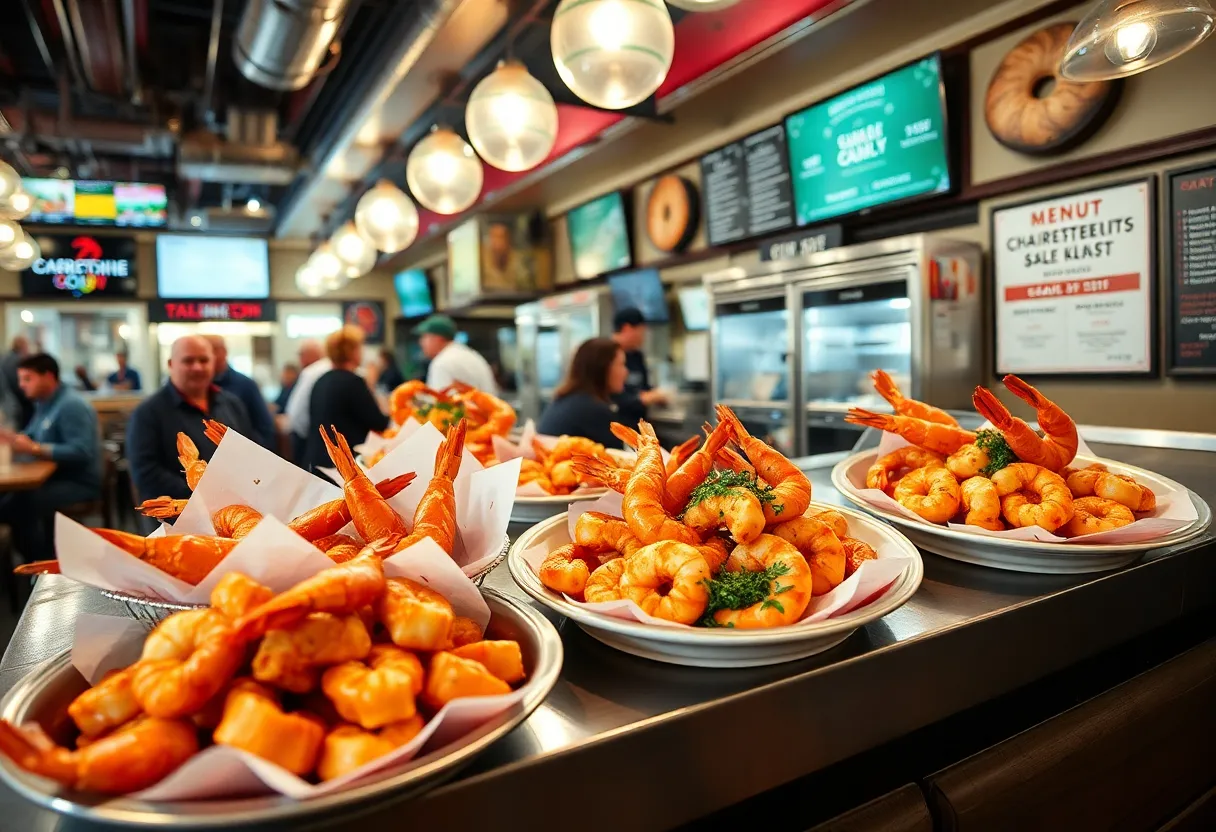
A report from SeaD Consulting highlights that approximately 90% of dining establishments in Charleston serve imported shrimp while promoting their dishes as featuring local products. This discrepancy is significant, as many of these restaurants reference shrimp boats and incorporate ‘Lowcountry’ cultural themes into their branding despite serving lower-quality global imports.
The South Carolina Shrimpers Association argues that this practice is misleading to consumers, particularly tourists who may believe they are savoring authentic Lowcountry seafood. The lawsuit seeks an injunction from a federal judge to compel the defendant restaurants to cease these misleading claims in their marketing and menu descriptions.
Legal Background
The Lanham Act provides a legal framework to protect consumers and competitors from false advertising practices that create confusion in the marketplace. By allegedly misrepresenting the origins of shrimp served in their restaurants, these establishments may be undermining the efforts of local fishermen who rely on the sale of wild-caught shrimp to sustain their livelihoods.
The lawsuit also aligns with prior warnings issued by the Federal Trade Commission to seafood purveyors about the risks of misleading customers regarding the origin of their offerings. Mislabeling seafood can not only lead to consumer distrust but can also harm legitimate businesses that compete on the basis of quality and authenticity.
Community Impact
According to John Williams, the Executive Director of the Southern Shrimp Alliance, the culinary identity of Charleston is intertwined with local shrimping operations and the quality of wild-caught shrimp. When restaurants promote the use of local shrimp while serving imported varieties, they do a disservice to local fishermen and the integrity of the culinary experience that many associate with Charleston.
As the lawsuit progresses, it raises questions about consumer awareness and the extent to which patrons are informed about the seafood they are purchasing. The charges may serve to illuminate broader issues related to transparency in the seafood industry and the importance of maintaining local culinary traditions amidst challenges posed by global imports.
Current Status of the Lawsuit
Details regarding the specific restaurants involved in the lawsuit have not been disclosed. However, the ongoing legal proceedings draw attention to the need for clear and truthful marketing practices within the local restaurant industry.
Conclusion
The South Carolina Shrimpers Association’s lawsuit emphasizes the importance of authenticity in culinary offerings and the responsibilities of restaurants to provide accurate information to their patrons. The outcome may have significant implications for both local seafood producers and dining establishments in Charleston.
FAQ Section
What is the lawsuit about?
The South Carolina Shrimpers Association is suing 40 restaurants for allegedly misrepresenting imported shrimp as local shrimp.
Why is this practice considered misleading?
Many consumers, particularly tourists, may believe they are consuming authentic local seafood when they are actually being served imported products.
What laws are being cited in the lawsuit?
The lawsuit alleges violations of the United States Lanham Act and the South Carolina Unfair Trade Practices Act, both designed to combat deceptive trade practices.
What is the desired outcome of the lawsuit?
The South Carolina Shrimpers Association seeks an injunction to stop restaurants from making false claims about the origin of their shrimp.
What percentage of restaurants in Charleston serve imported shrimp?
According to a report, about 90% of restaurants in Charleston serve imported shrimp while promoting local products.
Key Features of the Lawsuit
| Feature | Description |
|---|---|
| Parties Involved | South Carolina Shrimpers Association vs. 40 unidentified restaurants |
| Allegation | Serving imported shrimp as local shrimp |
| Legal Framework | United States Lanham Act and South Carolina Unfair Trade Practices Act |
| Consumer Impact | Potential consumer confusion regarding seafood authenticity |
| Desired Outcome | Injunction to compel truthful marketing |
| Context | Prior FTC warnings on seafood marketing practices |
Deeper Dive: News & Info About This Topic
HERE Resources
North Charleston’s Culinary Scene Flourishes with New Eateries and Local Favorites
Charleston Restaurant Owners Struggle with New Grease Trap Regulations
Philadelphia’s SEPTA Becomes Hub for Lawyer Advertising
Charleston Fisherman Faces Financial Hardship After Lightning Strike
South Carolina Shrimpers Association Sues Charleston Restaurants
South Carolina Shrimpers Association Sues Local Restaurants
SCSA Sues Restaurants Over Shrimp Sourcing Mislabeling
Charleston’s Culinary Scene Transforms with New Openings
Seafood Fraud Lawsuit Against Charleston Restaurants: Protecting Brand Integrity
South Carolina Shrimpers Association Sues Charleston Restaurants
Additional Resources
- Count on 2 News
- Wikipedia: Shrimp
- ABC News 4
- Google Search: Charleston Seafood Industry
- Spectrum Local News


Author: STAFF HERE CHARLESTON
The CHARLESTON STAFF WRITER represents the experienced team at HEREcharleston.com, your go-to source for actionable local news and information in Charleston, Charleston County, and beyond. Specializing in "news you can use," we cover essential topics like product reviews for personal and business needs, local business directories, politics, real estate trends, neighborhood insights, and state news affecting the area—with deep expertise drawn from years of dedicated reporting and strong community input, including local press releases and business updates. We deliver top reporting on high-value events such as the Spoleto Festival USA, Charleston Wine + Food Festival, and the MOJA Festival. Our coverage extends to key organizations like the Charleston Metro Chamber of Commerce and the Charleston Museum, plus leading businesses in tourism and maritime industries that power the local economy such as South Carolina Ports Authority and the Charleston Visitor Center. As part of the broader HERE network, including HEREaiken.com, HEREbeaufort.com, HEREchapin.com, HEREcharleston.com, HEREclinton.com, HEREcolumbia.com, HEREgeorgetown.com, HEREgreenwood.com, HEREgreenville.com, HEREhiltonhead.com, HEREirmo.com, HEREmyrtlebeach.com, HEREnewberry.com, HERErockhill.com, HEREspartanburg.com, HEREaustin.com, HEREcollegestation.com, HEREdallas.com, HEREhouston.com, and HEREsanantonio.com, we provide comprehensive, credible insights into South Carolina's dynamic landscape.