
News Summary
Palestinian activist Mahmoud Khalil was arrested by federal immigration authorities at Columbia University, raising legal and emotional concerns regarding deportation efforts against student demonstrators. His detention, seen as part of a broader campaign against alleged support for terrorism, has sparked debates about immigration law and activism rights in academia. With Khalil’s whereabouts uncertain and his legal standing challenged, experts are questioning the future implications for political activists facing deportation in the U.S.
The Arrest of Palestinian Activist Mahmoud Khalil: Legal Ramifications Expounded
In a startling sequence of events, federal immigration authorities apprehended Palestinian activist and graduate student Mahmoud Khalil on April 29, 2024. His detention unfolded at his university-owned apartment located within the precincts of Columbia University in New York City, a campus previously marked by his prominent participation in protests against Israel.
A Controversial Arrest
Khalil’s detention has raised eyebrows, as it stands as a significant event in what is being referred to as the first documented deportation effort by the administration against student demonstrators connected to the Gaza conflict. The arrest came under the auspices of the Immigration and Customs Enforcement (ICE), which cited directives from the State Department aimed at revoking his visa. In a surprising twist, Khalil’s *permanent resident status*, or green card, was rescinded during the incident.
This incident follows a series of actions led by Secretary of Homeland Security, who confirmed Khalil’s arrest as a gesture supporting an executive order by President Trump targeting anti-Semitic activities within the United States. The rationale offered at the time included allegations that Khalil was involved in activities aligned with Hamas, a group classified as a terrorist organization by U.S. authorities.
Legal and Emotional Implications
The context of Khalil’s arrest was made even more poignant as he was apprehended while his wife, who is currently eight months pregnant, was reportedly threatened with arrest by ICE agents. This development has highlighted not only the legal implications of deportation proceedings but also the emotional toll these actions have on families.
Following the arrest, Khalil’s whereabouts became uncertain. His attorney, Amy Greer, indicated that he might have been moved to different locations post-arrest, adding to the confusion for both his family and supporters. As a legal expert, Greer has raised questions regarding the legality of ICE’s actions, particularly about entering university property without a clear warrant, further complicating the legal landscape surrounding this case.
The Broader Context of Activism and Immigration Law
The charges against Khalil are part of a broader narrative wherein the Trump administration has sought to align its immigration policies with its stance against anti-Semitism and alleged support for terrorism. Secretary of State has indicated plans to revoke the visas and green cards of individuals in the U.S. believed to be supporting Hamas, thereby expanding the executive reach over activist movements.
Khalil’s activities included involvement with the Columbia University Apartheid Divest group and allegations of organizing events that condemned Zionism while critiquing military actions in Gaza. This activism has not gone unnoticed. Khalil previously faced around 13 allegations primarily based on social media posts, which has led to disciplinary scrutiny from the university.
University Response and Campus Climate
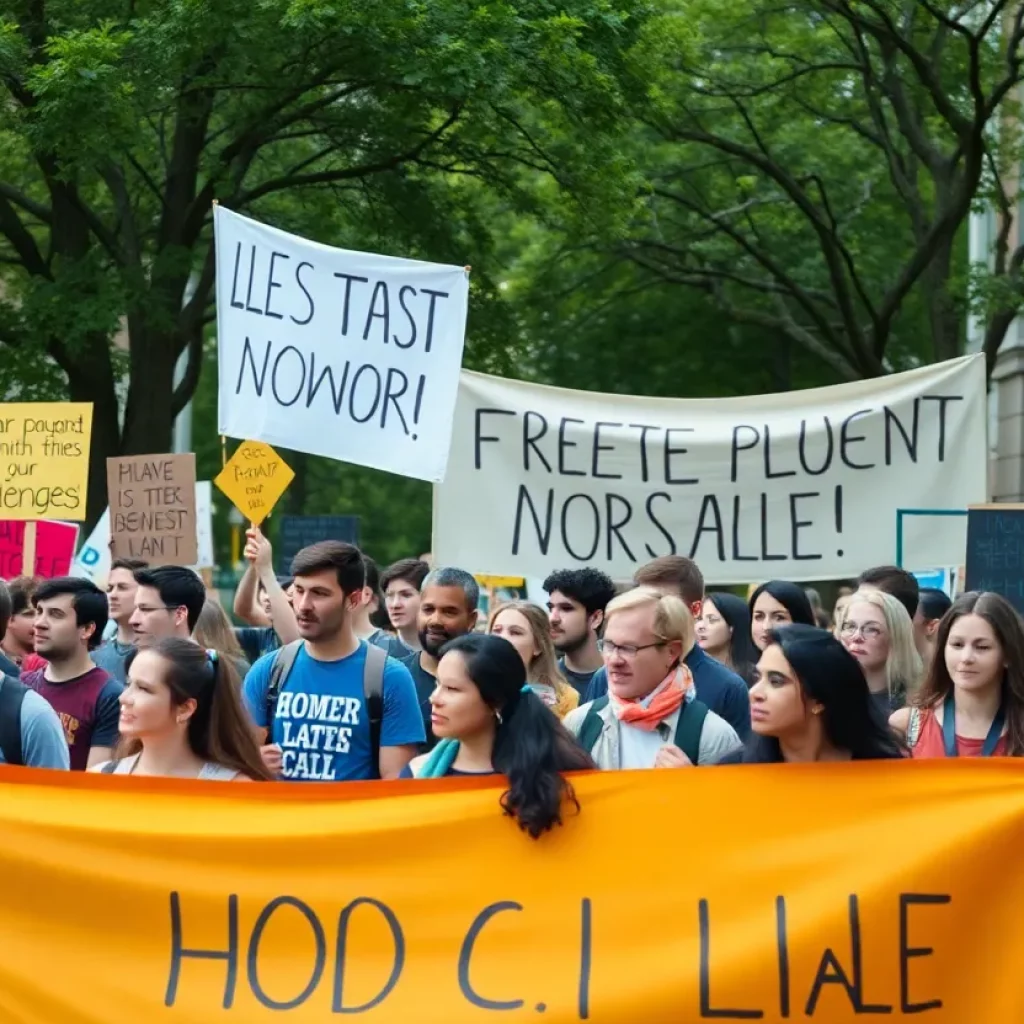
The atmosphere at Columbia University has become increasingly fraught amid protests demanding divestment from companies linked to Israel and an end to military actions against Gaza. While some Jewish students on campus have condemned the rhetoric associated with these protests, others have joined in solidarity with pro-Palestinian movements.
The university’s response to Khalil’s arrest serves as a crucial point of contention. Questions remain regarding ICE’s action on university grounds, particularly whether a warrant was presented for the arrest. The institution has experienced tension due to previous controversies around its policies regarding anti-Semitic issues, leading to the Trump administration’s withdrawal of substantial funding to Columbia.
Legal Experts Weigh In
As immigration experts analyze the ramifications of this case, many question the legal standing under which Khalil was detained and have expressed concerns over the potential for abuse of power in similar deportation efforts against activists. The unfolding situation encapsulates a complex intersection of immigration law, political climate, and the rights of students engaged in activism.
The Khalil case may act as a litmus test for future deportation cases tied to political activism in academia. With the legality of such actions in question and public sentiment divided, the legal ramifications of this arrest will undoubtedly shape the discourse surrounding immigration and activism in the United States for years to come.
Deeper Dive: News & Info About This Topic
HERE Resources
Lawyer Challenges Detention of Palestinian Activist
Additional Resources
- Associated Press
- Wikipedia: Mahmoud Khalil
- BBC News
- Google Search: Mahmoud Khalil Columbia University
- Reuters
- Google Scholar: Mahmoud Khalil activism
- Encyclopedia Britannica: Columbia University
- Google News: pro-Palestinian protests Columbia University

Author: STAFF HERE CHARLESTON
The CHARLESTON STAFF WRITER represents the experienced team at HEREcharleston.com, your go-to source for actionable local news and information in Charleston, Charleston County, and beyond. Specializing in "news you can use," we cover essential topics like product reviews for personal and business needs, local business directories, politics, real estate trends, neighborhood insights, and state news affecting the area—with deep expertise drawn from years of dedicated reporting and strong community input, including local press releases and business updates. We deliver top reporting on high-value events such as the Spoleto Festival USA, Charleston Wine + Food Festival, and the MOJA Festival. Our coverage extends to key organizations like the Charleston Metro Chamber of Commerce and the Charleston Museum, plus leading businesses in tourism and maritime industries that power the local economy such as South Carolina Ports Authority and the Charleston Visitor Center. As part of the broader HERE network, including HEREaiken.com, HEREbeaufort.com, HEREchapin.com, HEREcharleston.com, HEREclinton.com, HEREcolumbia.com, HEREgeorgetown.com, HEREgreenwood.com, HEREgreenville.com, HEREhiltonhead.com, HEREirmo.com, HEREmyrtlebeach.com, HEREnewberry.com, HERErockhill.com, HEREspartanburg.com, HEREaustin.com, HEREcollegestation.com, HEREdallas.com, HEREhouston.com, and HEREsanantonio.com, we provide comprehensive, credible insights into South Carolina's dynamic landscape.