
North Charleston, February 4, 2026
North Charleston has opened a new residential compost drop-off site at Northwoods Park, providing residents with an accessible way to recycle food scraps into valuable compost. This initiative aims to reduce landfill waste and promote environmental sustainability, while also offering economic benefits through reduced garbage fees for local businesses. The program demonstrates a commitment to community stewardship and resource efficiency, fostering collaboration among citizens and contributing to the overall health of the Charleston County economy.
North Charleston Unveils New Community Composting Site
Local Initiative Boosts Sustainability and Resourcefulness
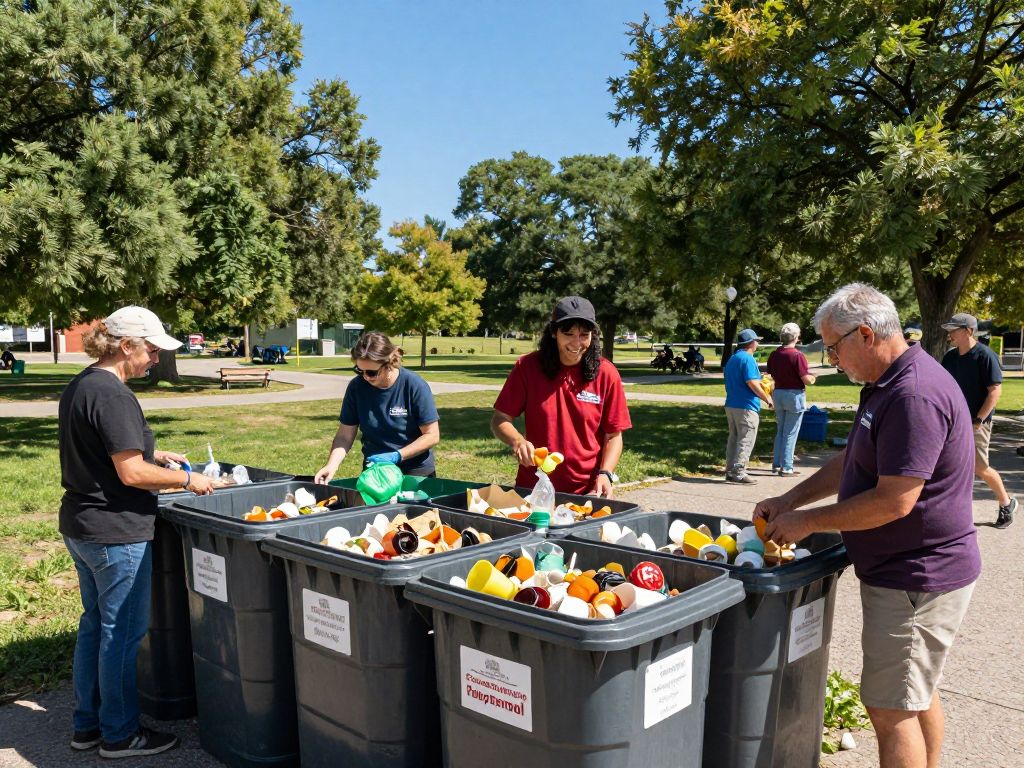
North Charleston, SC – In a move reflecting the growing commitment to community stewardship and resource efficiency, North Charleston residents now have a new avenue to participate in local sustainability efforts. A new residential drop-off site for food scraps has officially opened at Northwoods Park, offering an accessible way for families to convert their organic waste into valuable compost. This initiative underscores a practical approach to environmental responsibility, encouraging individual action that contributes to the broader economic and ecological health of the Lowcountry.
The establishment of this site represents a tangible step in waste management strategies within Charleston County, aligning with efforts to reduce landfill dependency and foster a more circular economy. By empowering residents to actively divert food waste, the program promotes a sense of personal accountability and community collaboration, key tenets for fostering resilient local systems. Such grassroots efforts, while supported by municipal frameworks, thrive on the initiative and participation of individual citizens and small businesses, demonstrating how collective action can lead to significant positive change.
Empowering Residents Through Local Waste Solutions
The new drop-off site at Northwoods Park offers North Charleston residents a direct and convenient method to prevent food waste from entering traditional landfills. This facility enables the transformation of food scraps into nutrient-rich compost. This direct participation model not only simplifies waste diversion for households but also cultivates a sense of local ownership over environmental outcomes. By providing the tools for individual action, the program champions a bottom-up approach to sustainability, where citizens are active contributors rather asked to passively adhere to regulations. Residents in the Charleston region can recycle food scraps for free at participating drop sites.
Economic Benefits of Thoughtful Waste Management
Beyond the immediate environmental advantages, community composting initiatives like the one in North Charleston offer tangible economic benefits for the wider Charleston County economy. Composting food waste directly supports Charleston County Council’s 40% recycling goal. Furthermore, the Environmental Management Department of Charleston County can generate economic benefits through the sale of the finished compost product. This not only creates a revenue stream but also helps to offset the costs associated with traditional waste disposal, which are ultimately borne by taxpayers and local businesses.
For small businesses, particularly those in the restaurant and hospitality sectors, composting presents an opportunity for financial savings. By reducing the volume of waste sent to landfills, businesses can potentially lower their garbage service user fees. Charleston County’s Revenue Collections Department charges businesses based on the size of their garbage dumpster and frequency of pickup. Participating in food waste composting programs could lead to significant reductions in these annual fees, illustrating how sustainable practices can directly improve a business’s bottom line.
Cultivating Soil Health and Reducing Environmental Impact
The material produced at facilities like the Bees Ferry Compost Facility, where collected food scraps are processed, is a valuable soil additive. This compost is rich in nutrients and can be used as a natural fertilizer in gardening, agriculture, and landscaping. Composting plays a critical role in enhancing soil health and structure, increasing its water retention capacity, which can reduce the need for irrigation and aid in combating flooding, a particularly relevant benefit for the Lowcountry.
Environmentally, the impact is significant. Organic material decomposing without oxygen in landfills releases methane, a potent greenhouse gas that is more than 20 times more effective at trapping heat in the atmosphere than carbon dioxide over a 100-year period. Landfills contribute approximately 17% of the United States’ methane emissions. Composting, an aerobic process, primarily produces carbon dioxide, substantially reducing harmful emissions and helping to mitigate climate change. Approximately 25-40% of landfill material is compostable, highlighting the vast potential for waste diversion.
A Regional Partnership for Sustainable Growth
The North Charleston site is part of a larger, evolving regional partnership that includes the City of Charleston, Charleston County, Folly Beach, Isle of Palms, Mount Pleasant, Sullivan’s Island, North Charleston, and the College of Charleston. This collaborative approach demonstrates how various entities can work together to achieve shared sustainability goals, benefiting the entire Charleston region. The residential compost pilot program, launched by the City of Charleston in January 2022 with grant funding, has already seen over 900 households participate, diverting more than 30 tons of food scraps from landfills.
This expansion of drop-off sites makes composting more accessible for residents across the region, addressing a key request from initial program participants. The program, managed by the City of Charleston’s Mayor’s Office of Resilience and Sustainability with support from regional partners, exemplifies how strategic collaboration can scale effective solutions across a broader geographic area.
Supporting Lowcountry Economic Growth Through Resourcefulness
Initiatives like the Northwoods Park compost drop-off site contribute to more than just environmental cleanliness; they are integral to fostering long-term Lowcountry economic growth. By reducing waste, optimizing resource use, and potentially creating new local opportunities in compost production and distribution, the Charleston region reinforces its commitment to a sustainable and self-reliant future. This approach aligns with the spirit of South Carolina entrepreneurs who continually seek innovative, practical solutions that benefit both their communities and the economy.
The ongoing success of these programs, coupled with entrepreneurial innovation in waste management and agriculture, positions Charleston County as a leader in sustainable economic practices. Local businesses and individual achievements in this sector contribute to a robust Charleston SC business environment, showcasing how environmental stewardship and economic prosperity can be mutually reinforcing.
Conclusion
The opening of the new residential compost drop-off site at Northwoods Park marks a significant step forward for North Charleston and the broader Charleston County economy. By offering residents a practical way to manage food waste, this initiative fosters community engagement, reduces landfill burden, and contributes to a healthier environment and a more resilient local economy. We encourage all residents to explore participating in this valuable program, supporting the continued growth and innovation that defines Charleston. Let us continue to champion local efforts that demonstrate how community action and resourceful practices can pave the way for a prosperous and sustainable Lowcountry.
Frequently Asked Questions
Where is the new compost drop-off site located in North Charleston?
The new residential compost drop-off site in North Charleston is located at Northwoods Park.
What is the primary purpose of the new compost drop-off site?
The primary purpose of the new compost drop-off site is to provide North Charleston residents with a way to turn food scraps into compost, preventing food waste from going to landfills.
How does composting benefit Charleston County’s economy?
Composting food waste supports Charleston County Council’s 40% recycling goal, allows the Environmental Management Department to receive economic benefits through the sale of finished compost products, and can help businesses reduce user fees charged for garbage service.
What are the environmental benefits of composting?
Composting helps to grow food, not landfills, returns valuable nutrients to the soil, reduces reliance on chemical fertilizers, and reduces heat-trapping gases like methane from landfills.
Is composting a new initiative in the Charleston region?
No, the City of Charleston launched its residential compost pilot program in January 2022, diverting over 30 tons of food scraps with over 900 households participating.
Who manages the residential food scrap drop-off program in the Charleston region?
The residential food scrap drop-off program in the Charleston region is managed by the City of Charleston, Mayor’s Office of Resilience and Sustainability, with support from regional partners.
Can businesses participate in composting programs in Charleston County?
Yes, Charleston County owns the McGill Bees Ferry Compost Facility which processes pre- and post-consumer food waste from local restaurants, cafeterias, schools, grocery stores, and other producers. Businesses can reduce garbage expenses to offset food scrap hauling costs.
Key Features of the North Charleston Compost Drop-Off Site and Regional Composting Program
| Feature | Description |
|---|---|
| Location | Northwoods Park, North Charleston |
| Primary Goal | Prevent food waste from entering landfills, convert food scraps into compost. |
| Accessibility | New residential drop-off site, part of a growing network in the Charleston region. |
| Economic Impact | Supports Charleston County’s recycling goals, generates revenue from compost sales, reduces business garbage fees. |
| Environmental Benefits | Reduces methane emissions, enriches soil, lessens reliance on chemical fertilizers, improves soil water retention. |
| Program Management | Managed by the City of Charleston, Mayor’s Office of Resilience and Sustainability, with regional partners. |
| Partnerships | Collaboration between City of Charleston, Charleston County, Folly Beach, Isle of Palms, Mount Pleasant, Sullivan’s Island, North Charleston, and College of Charleston. |
| Business Participation | Businesses can utilize composting facilities and potentially reduce waste disposal costs. |
Deeper Dive: News & Info About This Topic
HERE Resources
North Charleston Launches New Compost Drop-off Initiative
Charleston Prepares for Halloween Festivities
Charleston and Las Vegas Engage in Earth Month Activities