
Charleston, July 23, 2025
News Summary
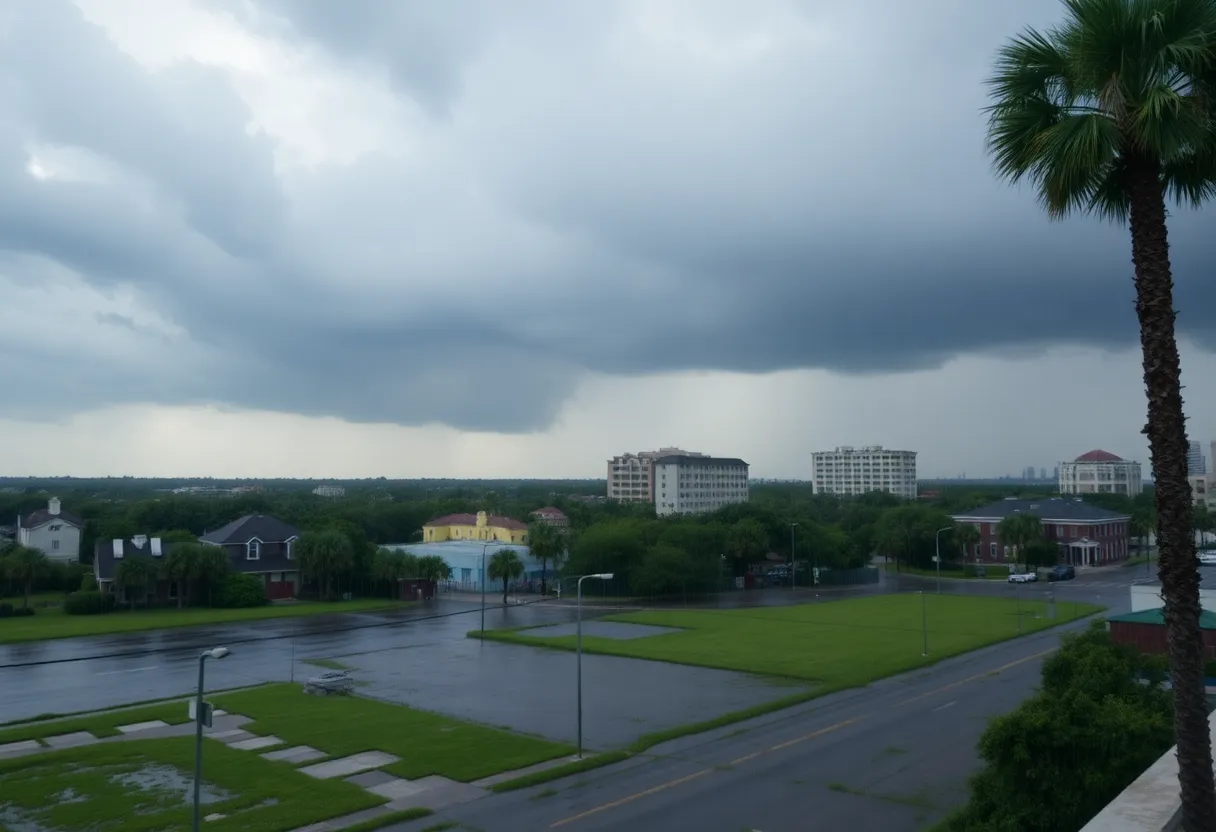
The National Weather Service in Charleston has announced new criteria for flash flood warnings set to take effect on August 1, 2025. The updated guidelines will lower the threshold for issuing warnings, enabling more timely alerts as the city faces an increase in flooding incidents. The new Base Flash Flood Warning will replace the Flood Advisory system, focusing on disruptions caused by flooding such as road closures. This proactive measure aims to enhance public safety and support better preparation for flooding events.
Charleston to Implement New Flash Flood Warning Criteria
The National Weather Service (NWS) Charleston has announced new criteria for declaring flash flood warnings and advisories, which will take effect on August 1, 2025. This proactive measure aims to enhance public safety by improving the consistency and effectiveness of flood warnings in the Charleston area.
Under the updated guidelines, the threshold for what constitutes a flash flood will be lowered. This change is intended to reflect evolving forecasting trends, ensuring that warnings are issued more reliably and earlier than before. A flood advisory will indicate minor flooding, while a flood warning will signal more severe conditions that pose threats to life and property.
Charleston has experienced a significant increase in flooding events over the years. In the 1990s, the city averaged between 10 and 25 tidal floods annually. However, data shows that this number surged to 89 incidents in 2019 and 69 in 2020, translating to about one tidal flood every 4 to 5 days. The new criteria are designed to address these changing conditions.
New Warning Structures
The NWS Charleston aims to provide clearer and more effective warnings with the introduction of the Base Flash Flood Warning. This new classification will replace the current Flood Advisory system and can be issued even without significant property damage or water entering buildings. Flash floods will now be recognized when flooding leads to disruptions, such as road closures or impacts on intersections.
The Base Flash Flood Warning is expected to be the most commonly issued alert, typically remaining in effect for three hours after its issuance, with updates every 90 minutes. These warnings will not activate the Wireless Emergency Alert system, but they will trigger the Emergency Alert System and alerts on NOAA Weather Radio.
Impact of the Changes
With the new criteria, the NWS hopes to support residents in better preparing for flooding incidents, particularly as urban areas will see a decrease in flood advisories. However, rural areas are likely to continue experiencing their use. Meanwhile, the NWS will maintain existing criteria for Considerable and Catastrophic Flash Flood Warnings.
These regulatory adjustments were planned prior to a recent flash flood disaster in Texas and are not a direct response to that catastrophic event. The changes are intended to promote consistency across different NWS offices, particularly in areas covered by multiple offices.
Conclusion
The new flash flood criteria in Charleston signify an important step towards more accurately forecasting and responding to flooding threats. With a sharper focus on timely alerts, the NWS Charleston is committed to enhancing public safety and awareness in an era of increased flood frequency.
FAQ Section
What are the new criteria for flash flood warnings in Charleston?
The new criteria lower the threshold for what is considered a flash flood, allowing warnings to be issued for disruptions such as road closures or flooded intersections.
When do the new criteria take effect?
The updated flash flood warning criteria will be implemented on August 1, 2025.
What is the Base Flash Flood Warning?
The Base Flash Flood Warning will replace the Flood Advisory and can be issued without significant property damage or water entering buildings. It focuses on disruptions caused by flooding.
Will these changes impact advisories issued in urban vs. rural areas?
Yes, urban areas will experience fewer flood advisories, whereas rural areas will continue seeing their use.
How frequently does Charleston experience tidal flooding?
Charleston has seen tidal flooding incidents increase dramatically from 10-25 average annual events in the 1990s to as many as 89 events in 2019.
Key Features of the New Flash Flood Warning Criteria
| Feature | Details |
|---|---|
| Effective Date | August 1, 2025 |
| New Warning Type | Base Flash Flood Warning |
| Threshold Changes | Lowered threshold for issuing warnings; disruptions without significant damage can trigger alerts |
| Duration of Warning | Typically in effect for three hours, updated every 90 minutes |
| Activation of Emergency Alerts | Emergency Alert System and NOAA Weather Radio; does not trigger Wireless Emergency Alert system |
| Advisory Decrease | Fewer urban flood advisories; rural areas still seeing advisories |
Deeper Dive: News & Info About This Topic
HERE Resources
Flood Advisory Issued for Charleston County
Severe Thunderstorm Alerts Issued for Charleston Area
Severe Weather Impacts Millions Across the U.S. This Weekend
Lawyer Leads Community Efforts in Kerrville Flood Recovery
Flood Advisory Issued for Charleston County Amid Severe Weather
Texas Floods Claim Lawyer’s Life, Community in Mourning
Severe Flash Flooding Devastates Texas Hill Country
Severe Thunderstorm Warning Issued for Charleston and Berkeley Counties
Charleston Artists Overcoming Health Challenges Through Creativity
Historic Flash Flooding Hits Multiple States
Additional Resources
- Spectrum Local News: National Weather Service Charleston Flash Flood Criteria Changes
- Live 5 News: National Weather Service Lowers Criteria for Flash Flood Warning
- ABC News 4: New Base Flash Flood Warnings Aimed to Keep Community Informed
- Wikipedia: Flash Flood
- Google Search: Flash Flood Warning


Author: STAFF HERE CHARLESTON
The CHARLESTON STAFF WRITER represents the experienced team at HEREcharleston.com, your go-to source for actionable local news and information in Charleston, Charleston County, and beyond. Specializing in "news you can use," we cover essential topics like product reviews for personal and business needs, local business directories, politics, real estate trends, neighborhood insights, and state news affecting the area—with deep expertise drawn from years of dedicated reporting and strong community input, including local press releases and business updates. We deliver top reporting on high-value events such as the Spoleto Festival USA, Charleston Wine + Food Festival, and the MOJA Festival. Our coverage extends to key organizations like the Charleston Metro Chamber of Commerce and the Charleston Museum, plus leading businesses in tourism and maritime industries that power the local economy such as South Carolina Ports Authority and the Charleston Visitor Center. As part of the broader HERE network, including HEREaiken.com, HEREbeaufort.com, HEREchapin.com, HEREcharleston.com, HEREclinton.com, HEREcolumbia.com, HEREgeorgetown.com, HEREgreenwood.com, HEREgreenville.com, HEREhiltonhead.com, HEREirmo.com, HEREmyrtlebeach.com, HEREnewberry.com, HERErockhill.com, HEREspartanburg.com, HEREaustin.com, HEREcollegestation.com, HEREdallas.com, HEREhouston.com, and HEREsanantonio.com, we provide comprehensive, credible insights into South Carolina's dynamic landscape.