
News Summary
Small towns across the U.S. are facing critical legal deserts due to population decline. With essential services vanishing, the availability of legal representation is diminishing, leaving residents without necessary legal support. A study highlights the alarming scarcity of attorneys in rural areas, raising concerns over the adequacy of legal defense. Innovative solutions are being sought to address this issue, including rural attorney recruitment programs and mobile legal clinics, emphasizing the urgent need for action to ensure access to justice.
Small Towns Face Legal Deserts Amid Population Decline
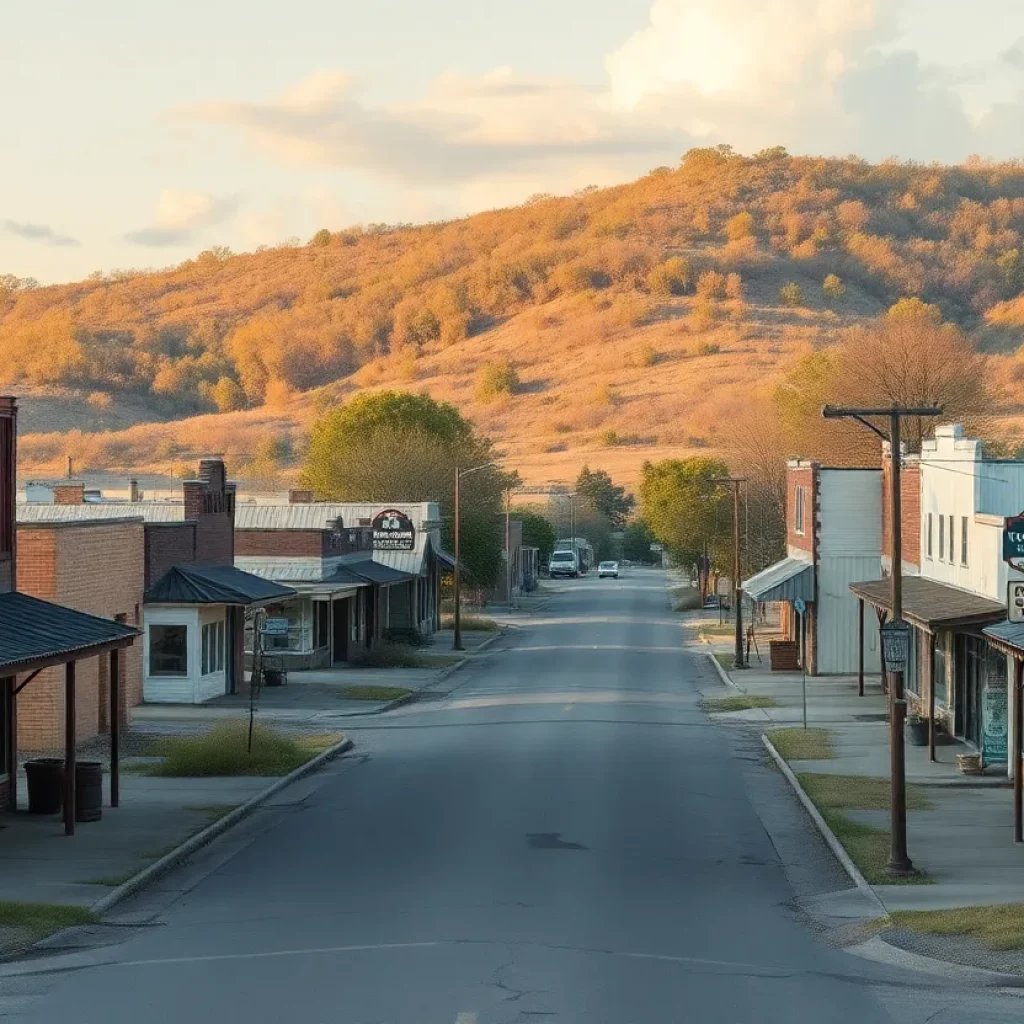
Across the United States, small towns are silently suffering from what can only be described as critical legal deserts. As these communities experience significant population decline, essential services are vanishing—grocery stores, schools, and daycares are shutting their doors, and now, the legal representation that residents so desperately need is also dwindling.
The lack of access to legal assistance is a pressing and often overlooked issue, leaving many individuals in these small towns without knowledge on when to seek help or how to handle legal problems. Without lawyers who can assert rights or provide the necessary mechanisms to seek redress, residents are often left vulnerable and unprotected.
The Evidence of Declining Legal Access
A study conducted by sociology experts at Iowa State University highlights the alarming scarcity of legal representation in rural areas. In places like Lee County, Iowa, there are only around 30 active attorneys available to serve a population that theoretically requires at least 55. This lack of legal professionals is particularly concerning, as Lee County falls into the micropolitan category with a population center of 10,000 to 50,000 people. The study categorizes most Iowa counties as having a satisfactory number of practicing attorneys, yet identifies 10 counties as emerging legal deserts, primarily concentrated in rural and economically distressed southern Iowa.
The Widening Gap
Interestingly, the pay structure for rural attorneys remains relatively stable regardless of whether they practice in a legal desert or not, indicating that financial incentives may not be effective in resolving the shortage. The uniqueness of the legal landscape means that while a plethora of attorneys are produced nationally, many prefer the prospects associated with urban practice where opportunities are abundant.
Addressing the distribution of legal resources illuminates a glaring problem—an estimated 11% of rural counties throughout the contiguous United States are classified as critical legal deserts. These deserts often lead to inadequacies in legal defense, particularly in criminal and family law. Without proper representation, communities risk facing severe legal consequences due to the unavailability of quality legal assistance.
Innovative Solutions in Rural Legal Access
The disparity in legal services in rural regions has kick-started explorations for innovative solutions. For instance, South Dakota has seen success with a rural attorney recruitment program that permits law students to practice in rural counties before they graduate. This model has potential, but its effectiveness may vary in different states.
Other initiatives, such as mobile legal clinics and external fellowship programs, are also being considered to enhance legal access. A particularly promising proposal is the development of a licensed legal paraprofessional program. This initiative would enable individuals with some legal training to practice independently in certain areas of law, such as family law, without needing full attorney qualifications. Such programs could empower local community members to meet their own legal needs.
Legislative Movements and Future Directions
As the demand for legal representation increases, recent reports highlight rising concerns over inadequate defense for the indigent in Iowa. Contract attorneys are experiencing alarming burnout and attrition rates, leading legislative bodies to consider pay increases as an incentive for attracting more legal professionals to rural areas. The Iowa State Bar Association has grimly noted that the number of counties deemed legal deserts in Iowa has risen from 42 to 56 since 2018.
Demographically, approximately 35% of Iowa’s population resides in rural areas, while only about 15% of practicing attorneys serve these regions, further underscoring the geographical legal imbalance. As advocates call for effective representation—especially in serious criminal cases where timely legal counsel is a constitutional right—proposals are emerging to incentivize law students to practice in rural areas. Potential options could involve tuition reimbursements for students who commit to serving these underserved regions.
A Call to Action
The disparities highlighted in the recent study reflect a concerning trend that could threaten the very fabric of justice in rural America. As towns grapple with population decline and the subsequent loss of critical services, solutions to address the attorney deficit become increasingly essential. The narrative unfolding across these legal deserts must prompt action and awareness to ensure that all citizens have access to the representation they rightfully deserve.
Deeper Dive: News & Info About This Topic
HERE Resources
The Evolution of Legal Representation and Marketing in Indiana
Lawyer Office Crisis in McKinley County Amid Funding Cuts
Understanding the Role of Personal Injury Lawyers in Legal Matters
Lawyer Questions Deportation of U.S. Citizen Children
D’Amore Personal Injury Law Excels in Baltimore’s Legal Scene
Additional Resources
- Iowa Capital Dispatch
- Wikipedia: Legal Deserts
- American Bar Association
- Google Search: population decline legal deserts
- Google Scholar: rural legal representation

Author: STAFF HERE CHARLESTON
The CHARLESTON STAFF WRITER represents the experienced team at HEREcharleston.com, your go-to source for actionable local news and information in Charleston, Charleston County, and beyond. Specializing in "news you can use," we cover essential topics like product reviews for personal and business needs, local business directories, politics, real estate trends, neighborhood insights, and state news affecting the area—with deep expertise drawn from years of dedicated reporting and strong community input, including local press releases and business updates. We deliver top reporting on high-value events such as the Spoleto Festival USA, Charleston Wine + Food Festival, and the MOJA Festival. Our coverage extends to key organizations like the Charleston Metro Chamber of Commerce and the Charleston Museum, plus leading businesses in tourism and maritime industries that power the local economy such as South Carolina Ports Authority and the Charleston Visitor Center. As part of the broader HERE network, including HEREaiken.com, HEREbeaufort.com, HEREchapin.com, HEREcharleston.com, HEREclinton.com, HEREcolumbia.com, HEREgeorgetown.com, HEREgreenwood.com, HEREgreenville.com, HEREhiltonhead.com, HEREirmo.com, HEREmyrtlebeach.com, HEREnewberry.com, HERErockhill.com, HEREspartanburg.com, HEREaustin.com, HEREcollegestation.com, HEREdallas.com, HEREhouston.com, and HEREsanantonio.com, we provide comprehensive, credible insights into South Carolina's dynamic landscape.