

South Carolina, January 7, 2026
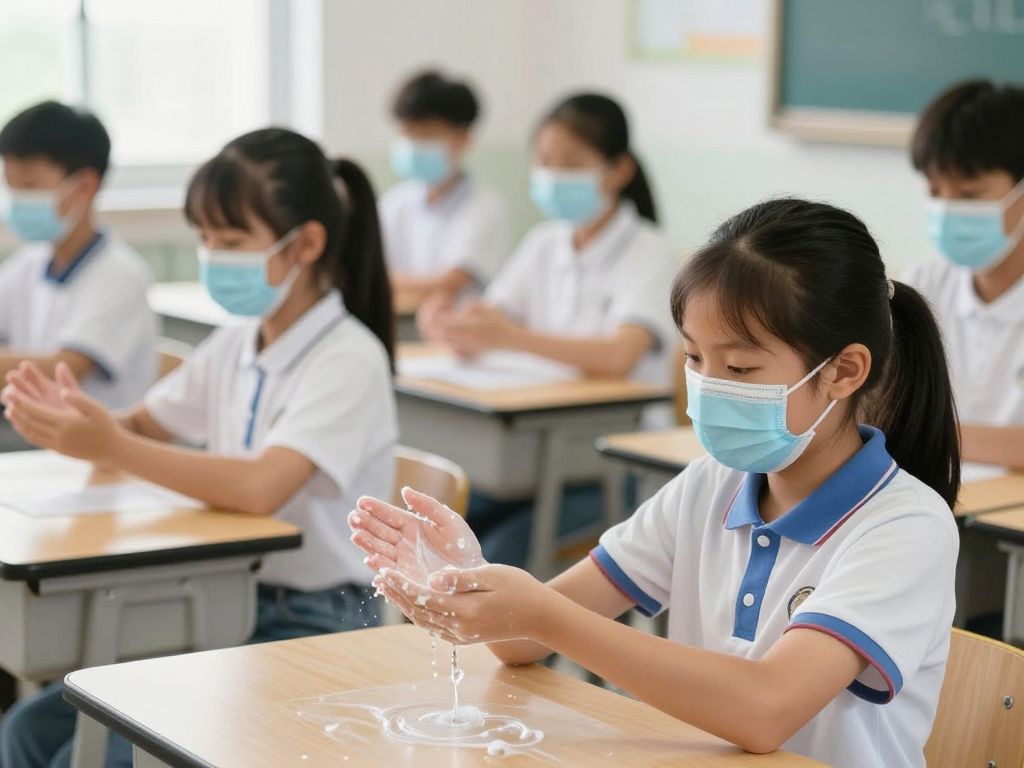
Health officials in South Carolina are raising alarms about one of the worst flu seasons in years, coinciding with students returning to classrooms post-holiday break. The surge in flu cases poses a significant public health challenge, as educational environments amplify the spread of respiratory viruses. Increased hospitalizations and emergency room visits are concerning for both officials and school administrators. Urgent calls for preventative measures, including vaccinations and hygiene practices, are being emphasized to safeguard student health and prevent further illness in the community.
Charleston, South Carolina
Flu Surge Hits South Carolina as Students Return to Classrooms
Health officials across South Carolina are sounding the alarm as the state grapples with what is being identified as one of its worst flu seasons in years. This significant escalation in influenza activity coincides directly with the return of students to classrooms across the Lowcountry and other parts of the state following the recent holiday break, prompting urgent calls for increased preventative measures.
Critical Period for Public Health and Education
The convergence of a severe flu season and the reopening of schools creates a critical public health challenge. Educational environments, characterized by close proximity and shared spaces, are recognized as hotspots for the rapid transmission of respiratory viruses. As thousands of students, teachers, and school staff re-engage in daily routines, the potential for widespread illness within school communities is a primary concern for health authorities and school administrators alike. This period demands a proactive and collaborative effort to safeguard student health and minimize disruptions to learning.
State-level Severity and Contributing Factors
The current flu season in South Carolina is characterized by a notable increase in reported cases, hospitalizations, and emergency room visits attributed to influenza. As of late December 2025, the state has reported thousands of confirmed flu cases, with hundreds of associated hospitalizations and flu-related deaths. Public health surveillance data indicates widespread flu activity across all four regions of the state, with certain counties experiencing particularly high levels of patient visits for flu-like illness. Several factors are believed to be contributing to this heightened severity, including the potential dominance of particularly virulent flu strains like Influenza A, which is the most widespread strain circulating this season in South Carolina, variations in population immunity, and the increased social interactions that typically occur during the holiday season, facilitating broader viral spread. State public health departments are working diligently to monitor trends, analyze viral strains, and disseminate critical information to both healthcare providers and the general public to manage the situation effectively.
Identifying Symptoms and Seeking Appropriate Care
Recognizing the symptoms of influenza early is essential for prompt management and to prevent further transmission. Common flu symptoms typically include a sudden onset of fever, chills, muscle aches, headache, fatigue, a dry cough, and a sore throat. Some individuals, particularly children, may also experience nausea, vomiting, or diarrhea. It is important to distinguish flu symptoms from those of a common cold, which are generally milder and develop more gradually. Individuals, especially those in high-risk groups such as young children, pregnant individuals, adults 65 years and older, and people with chronic health conditions (e.g., asthma, diabetes, heart disease), should seek medical attention if they develop flu-like symptoms. Warning signs of severe illness, such as difficulty breathing, persistent pain or pressure in the chest or abdomen, sudden dizziness, confusion, or severe muscle pain, warrant immediate emergency care.
The Pivotal Role of Vaccination and Hygiene
Health officials universally emphasize that the annual flu vaccination remains the single most effective tool for preventing influenza and its severe complications. The vaccine works by stimulating the body’s immune system to produce antibodies against the flu viruses, thereby offering protection or significantly reducing the severity of illness if infection occurs. While it is always best to get vaccinated early in the flu season, health experts affirm that it is beneficial to receive the vaccine even into January or later, as flu activity can continue for several months. For the 2025-2026 flu season, the Centers for Disease Control and Prevention (CDC) recommends seasonal flu vaccination for everyone 6 months and older, with rare exception for people who have contraindications.
Beyond vaccination, practicing rigorous hand hygiene is paramount. Frequent and thorough handwashing with soap and water for at least 20 seconds, especially after coughing, sneezing, or being in public places, helps eliminate viral particles. When soap and water are not available, an alcohol-based hand sanitizer with at least 60% alcohol can be used. Furthermore, individuals are strongly advised to cover their mouths and noses with a tissue when coughing or sneezing, or to cough/sneeze into their elbow. It is also crucial to avoid touching the face, particularly the eyes, nose, and mouth, as this is a common pathway for virus entry. These simple yet effective measures are foundational in limiting the spread of respiratory illnesses within homes, schools, and communities.
Importance of Staying Home When Ill
A critical public health recommendation during any flu season, and particularly during a severe surge, is the directive to stay home from school or work when sick. This practice is vital to prevent the further spread of influenza to others, especially those who may be more vulnerable to severe illness. Individuals should remain home until at least 24 hours after their fever (temperature of 100°F or 37.8°C or higher) has subsided without the use of fever-reducing medication. Adherence to this guideline is a collective responsibility that significantly contributes to community health and helps to reduce the overall burden on healthcare systems.
Strain on South Carolina’s Healthcare Infrastructure
The heightened flu activity is undeniably placing a considerable strain on healthcare facilities across South Carolina. Hospitals, urgent care centers, and primary care clinics are experiencing increased patient volumes, leading to potential challenges such as longer wait times for appointments and emergency services, and increased demand for medical supplies and staffing. Some healthcare providers, like Prisma Health, have implemented temporary visitor restrictions, limiting individuals aged 15 and younger from visiting hospitalized patients to protect patients and health care workers. Public health departments are collaborating with healthcare systems to manage this surge, focusing on resource allocation, surge capacity planning, and maintaining clear communication channels. The collective adherence to preventative measures by the public is essential in mitigating the pressure on these vital healthcare services.
Broader Context of Respiratory Virus Circulation
It is important to acknowledge that influenza is not the only respiratory virus circulating, especially during the colder months. The co-circulation of other pathogens, including the common cold and Respiratory Syncytial Virus (RSV), can complicate diagnostic efforts and further challenge healthcare systems already managing a flu surge. Public health messaging often emphasizes a holistic approach to respiratory health, encouraging good general health practices such as adequate sleep, a balanced diet, and regular physical activity, which contribute to a robust immune system capable of defending against a range of infections. Understanding the multi-faceted nature of seasonal respiratory illnesses underscores the ongoing need for vigilance and adherence to preventative strategies throughout the year.
The cooperation of every resident in following public health recommendations is paramount to navigating this challenging flu season and protecting the health and well-being of individuals and communities throughout South Carolina.
Frequently Asked Questions (FAQ)
- What is happening with the flu season in South Carolina?
- Health officials across South Carolina are sounding the alarm as the state grapples with what is being identified as one of its worst flu seasons in years. This coincides with students returning to classrooms after the holiday break. (Scope: State-level)
- What are the common symptoms of the flu?
- Common flu symptoms typically include a sudden onset of fever, chills, muscle aches, headache, fatigue, a dry cough, and a sore throat. Some individuals, particularly children, may also experience nausea, vomiting, or diarrhea. (Scope: Nationwide)
- What is the most effective tool for preventing influenza?
- The annual flu vaccination remains the single most effective tool for preventing influenza and its severe complications. (Scope: Nationwide)
- When is it beneficial to get a flu vaccine?
- While it is always best to get vaccinated early in the flu season, health experts affirm that it is beneficial to receive the vaccine even into January or later, as flu activity can continue for several months. (Scope: Nationwide)
- What hand hygiene practices are recommended?
- Practicing rigorous hand hygiene is paramount. Frequent and thorough handwashing with soap and water for at least 20 seconds, especially after coughing, sneezing, or being in public places, helps eliminate viral particles. (Scope: Nationwide)
- When should individuals stay home from school or work?
- Individuals should stay home from school or work when sick. They should remain home until at least 24 hours after their fever (temperature of 100°F or 37.8°C or higher) has subsided without the use of fever-reducing medication. (Scope: Nationwide)
- Is influenza the only respiratory virus circulating?
- It is important to acknowledge that influenza is not the only respiratory virus circulating, especially during the colder months. (Scope: Nationwide)
Key Features of the South Carolina Flu Surge
| Feature | Description | Scope |
|---|---|---|
| Flu Season Severity | Identified as one of South Carolina’s worst flu seasons in years. | State-level |
| Timing of Surge | Coincides with students returning to classrooms across the Lowcountry and other parts of the state after the holiday break. | State-level |
| Primary Prevention Tool | The annual flu vaccination remains the single most effective tool for preventing influenza and its severe complications. | Nationwide |
| Key Hygiene Practice | Practicing rigorous hand hygiene, including frequent and thorough handwashing. | Nationwide |
| Sick Leave Recommendation | Individuals should stay home from school or work when sick until at least 24 hours after fever subsides without medication. | Nationwide |
| Healthcare System Impact | Heightened flu activity is placing a considerable strain on healthcare facilities across South Carolina, leading to increased patient volumes and visitor restrictions. | State-level |
| Broader Viral Context | Influenza is not the only respiratory virus circulating, with co-circulation of other pathogens such as the common cold and RSV. | Nationwide |
Deeper Dive: News & Info About This Topic
HERE Resources
Serious Traffic Incidents in Charleston Lead to Injuries and Fatalities
Charleston Prepares for Major Coastal Flooding During High Tides
Charleston Southern Women’s Soccer Triumphs Over South Carolina State
Richard Goode to Perform at College of Charleston
Tropical Storm Imelda Shifts Path Away from South Carolina
Breeze Airways Launches New Route from Charleston to Cancún
South Carolina Opens First Permanent Global Entry Enrollment Center
Disney’s ‘Beauty and the Beast’ National Tour Opens in Charleston
Charleston’s Craft Cocktail Scene: Innovations and Local Flavors
Elin Hilderbrand to Launch Book Tour for New Novel