
San Francisco, September 10, 2025
News Summary
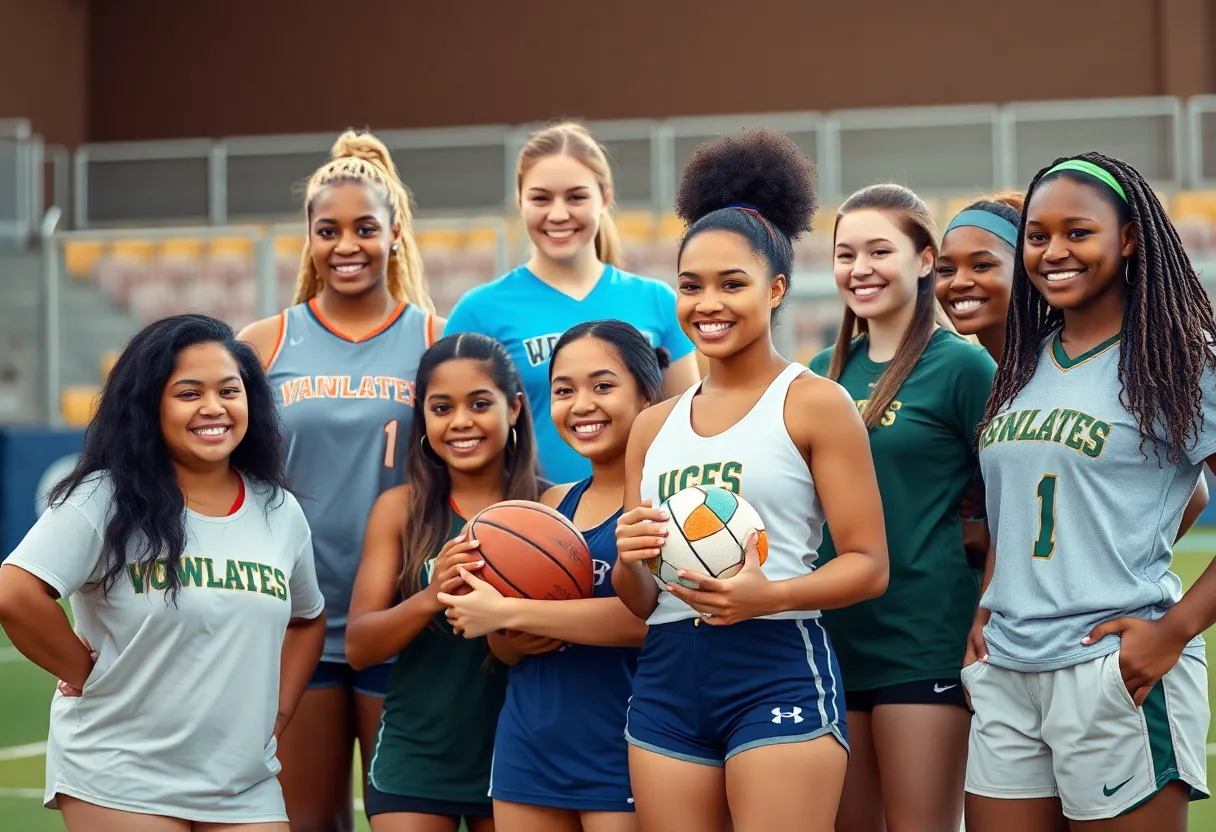
A group of eight female athletes has appealed a $2.7 billion NCAA antitrust settlement that they argue does not adequately address Title IX protections. The athletes claim that the settlement primarily benefits male athletes while neglecting female competitors in less lucrative sports. Their legal representatives emphasize that the current agreement could jeopardize financial resources and opportunities for women’s athletics. The appeal was filed following a federal judge’s approval of the settlement, and it will be reviewed by the U.S. Court of Appeals for the Ninth Circuit.
San Francisco — Eight female athletes have filed an appeal against a recent NCAA antitrust settlement regarding compensation for college athletes, which was originally approved for $2.7 billion in back pay. The athletes argue that the settlement neglects the rights and benefits that should be afforded to them under Title IX, which prohibits sex-based discrimination in educational programs and activities.
The appeal was lodged on Wednesday following the approval of the settlement by U.S. District Judge Claudia Wilken. The agreement allows universities to make direct payments to athletes and effectively ends the NCAA’s longstanding amateurism model. This marks a significant shift in the landscape of college athletics, permitting athletes to earn revenue from their name, image, and likeness (NIL).
The group of athletes appealing the settlement includes Kacie Breeding (Vanderbilt), Lexi Drumm (College of Charleston), Emma Appleman (College of Charleston), Emmie Wannemacher (College of Charleston), Riley Hass (College of Charleston), Savannah Baron (College of Charleston), Elizabeth Arnold (College of Charleston), and Kate Johnson (Virginia).
The heart of the appeal is the assertion that the current settlement fails to adequately account for the impact on female athletes, who may be deprived of as much as $1.1 billion in potential compensation. This concern arises from the belief that the settlement predominantly favors male athletes involved in high-revenue sports like football and basketball while leaving women in less lucrative sports with minimal benefits or acknowledgment.
Attorneys representing the athletes contend that the settlement conflicts with Title IX by underrepresenting the needs and rights of female competitors. The appeal further argues that the financial calculations behind the settlement could inadvertently lead to reduced scholarships for women’s sports or, in some cases, result in athletes losing their roster spots altogether.
It is important to note that both the NCAA and Congress have issued statements affirming that revenue-generating sports must adhere to Title IX’s non-discrimination standards. This commitment raises further questions about how the settlement aligns with the law, given the disproportionate allocation of funds favoring football and basketball programs.
The legal team from Hutchinson Black and Cook, based in Boulder, Colorado, filed the appeal on behalf of the athletes. The case will be heard by the U.S. Court of Appeals for the Ninth Circuit. Riley Haas, one of the athletes involved, emphasized that their appeal is motivated by a quest for fair treatment rather than financial gain alone.
Concerns have been expressed about the broader implications of the settlement for women’s collegiate sports, particularly as interest and participation in women’s athletics continue to grow. Observers fear that the current settlement may hinder the advancement and resources afforded to female athletes, countering progress that has been made in terms of visibility and equity.
Background on the NCAA Settlement
This antitrust settlement stems from a legal battle questioning the NCAA’s restrictions on athlete compensation, particularly regarding revenue from NIL. Judge Wilken’s approval laid the groundwork for future negotiations about how athletes might be compensated going forward, addressing long-standing issues concerning fairness and equality in collegiate sports.
Future Implications
The appeal signals continued advocacy for gender equity in collegiate athletics and showcases the potential for a reevaluation of policies that impact female athletes across the country. With the appeal now submitted, all eyes will be on the Ninth Circuit to see how they address these pressing concerns.
FAQ Section
What is the NCAA antitrust settlement?
The NCAA antitrust settlement involves $2.7 billion in back pay for college athletes who were prohibited from earning money from their name, image, and likeness (NIL).
Why are the female athletes appealing the settlement?
The female athletes believe the settlement violates Title IX and fails to accurately represent their financial and athletic needs, significantly favoring male athletes in revenue-generating sports.
What does Title IX entail?
Title IX is a federal law that prohibits sex-based discrimination in educational programs and activities, including sports.
What are the potential consequences of the settlement for female athletes?
The settlement could lead to reduced scholarships and opportunities for female athletes in less profitable sports, which may affect their participation and success in college athletics.
What happens next with the appeal?
The appeal will be reviewed by the U.S. Court of Appeals for the Ninth Circuit, where a decision will be made regarding the settlement.
Summary of Key Features
| Feature | Description |
|---|---|
| Settlement Amount | $2.7 billion in back pay |
| Appealing Athletes | Eight female athletes, primarily from College of Charleston |
| Legal Representation | Hutchinson Black and Cook, Boulder, Colorado |
| Legal Focus | Title IX compliance and fair treatment of female athletes |
| Next Steps | Appeal to be heard by the U.S. Court of Appeals for the Ninth Circuit |
Deeper Dive: News & Info About This Topic
HERE Resources
Additional Resources
- Live 5 News: Six Former College Charleston Athletes File Appeal
- Wikipedia: Title IX
- CHS Today: Sports Teams in Charleston
- Google Search: NCAA Antitrust Settlement
- CAA Sports: Mrowka Named Charleston Softball Head Coach
- Encyclopedia Britannica: NCAA
- Post and Courier: NCAA Settlement and Title IX
- Google News: Title IX College Athletics
- WJLA: Youngest Head Coach in Division 1 College Softball
- Google Search: Female Athletes NCAA Settlement

Author: STAFF HERE CHARLESTON
The CHARLESTON STAFF WRITER represents the experienced team at HEREcharleston.com, your go-to source for actionable local news and information in Charleston, Charleston County, and beyond. Specializing in "news you can use," we cover essential topics like product reviews for personal and business needs, local business directories, politics, real estate trends, neighborhood insights, and state news affecting the area—with deep expertise drawn from years of dedicated reporting and strong community input, including local press releases and business updates. We deliver top reporting on high-value events such as the Spoleto Festival USA, Charleston Wine + Food Festival, and the MOJA Festival. Our coverage extends to key organizations like the Charleston Metro Chamber of Commerce and the Charleston Museum, plus leading businesses in tourism and maritime industries that power the local economy such as South Carolina Ports Authority and the Charleston Visitor Center. As part of the broader HERE network, including HEREaiken.com, HEREbeaufort.com, HEREchapin.com, HEREcharleston.com, HEREclinton.com, HEREcolumbia.com, HEREgeorgetown.com, HEREgreenwood.com, HEREgreenville.com, HEREhiltonhead.com, HEREirmo.com, HEREmyrtlebeach.com, HEREnewberry.com, HERErockhill.com, HEREspartanburg.com, HEREaustin.com, HEREcollegestation.com, HEREdallas.com, HEREhouston.com, and HEREsanantonio.com, we provide comprehensive, credible insights into South Carolina's dynamic landscape.