
Charleston, South Carolina, August 18, 2025
Charleston’s Technical Schools: Catalysts for Local Industry Growth
Charleston has increasingly become a case study in how focused vocational and technical education can accelerate regional economic development. Over the past decade the city’s training institutions have evolved from supplemental sources of skills training into core partners for employers, supplying talent, shaping curricula, and helping to retain graduates in the region. The result is a workforce pipeline that matches employer needs while offering students clear pathways to careers.
Bridging Education and Employment
Technical education in Charleston is organized around practical outcomes. Programs are developed to produce job-ready candidates who can step into roles with minimal on-the-job ramp-up. That alignment has been reflected in rising enrollments across career and technical education (CTE) pathways, where fields such as healthcare, advanced manufacturing, and transportation have drawn substantial student interest. One local school system reported a noticeable jump—more than half—in student participation in CTE offerings, a signal that young people are seeking training that leads directly to employment.
These programs are not static; they are continually updated through advisory boards and employer input. That means students learn tools, processes, and safety practices employers actually use, rather than only theoretical concepts. For employers, the benefit is a reduced hiring gap; for students, the benefit is shorter job searches and quicker progression into stable, often well-paid roles.
High Placement Rates Reflect Industry Demand
A robust placement record demonstrates the effectiveness of program design and industry connections. The statewide technical college network that serves Charleston-area students reports placement rates in the high eighties to low nineties percent range for graduates entering the workforce. Such outcomes indicate that employers are actively recruiting from these institutions and that the credentials awarded match labor market needs.
High placement also signals a return on investment for public and private stakeholders who support training programs. When graduates find employment locally, tax bases strengthen, and industries gain the skilled labor needed to scale operations or adopt new technologies.
Specialized Institutions Meeting Unique Needs
Not all workforce needs are met by broad-based technical programs. Charleston’s ecosystem includes specialized schools that preserve and teach niche skills tied to the region’s cultural and built environment. One college focuses on traditional construction crafts—timber framing, architectural carpentry, plastering, stone carving and related trades—that support restoration, preservation, and high-end construction markets. By training artisans in these rare skill sets, the institution supplies contractors and preservationists with qualified workers who would otherwise be difficult to find.
This specialty training benefits both heritage conservation and contemporary building projects. Firms engaged in historic rehabilitation, boutique construction, or custom fabrication rely on artisans who understand both historic techniques and modern building codes, creating a unique bridge between past and present.
Addressing the Tech Industry’s Talent Shortage
Charleston’s technology sector has grown rapidly, with tech employment expanding year over year and average tech wages substantially above the state mean. To feed that expansion, technical schools and bootcamps have added programs in software development, IT infrastructure, cybersecurity, and data analytics. These shorter, skills-focused programs often complement longer degree pathways, allowing incumbent workers to upskill and career changers to enter the field more quickly.
Colleges and training providers collaborate with local employers to shape syllabi, provide capstone projects, and facilitate internships that lead to hires. This model reduces the common concern among tech employers: finding candidates who not only know coding languages but also understand product cycles, team workflows, and domain-specific challenges.
Retention of Talent Within the Region
A critical advantage for Charleston is the rate at which technical-college graduates remain employed within the state after completing their programs. Estimates indicate that a large majority of these graduates—more than four-fifths—continue their careers locally rather than leaving for other metros. That retention keeps skills and income circulating in the regional economy, supporting small businesses, housing markets, and public services.
Retention is influenced by several factors: local job availability, lifestyle preferences, and the presence of career ladders that allow technical graduates to advance into supervisory or specialized roles rather than leaving for further education or relocation.
Collaborative Efforts for Workforce Development
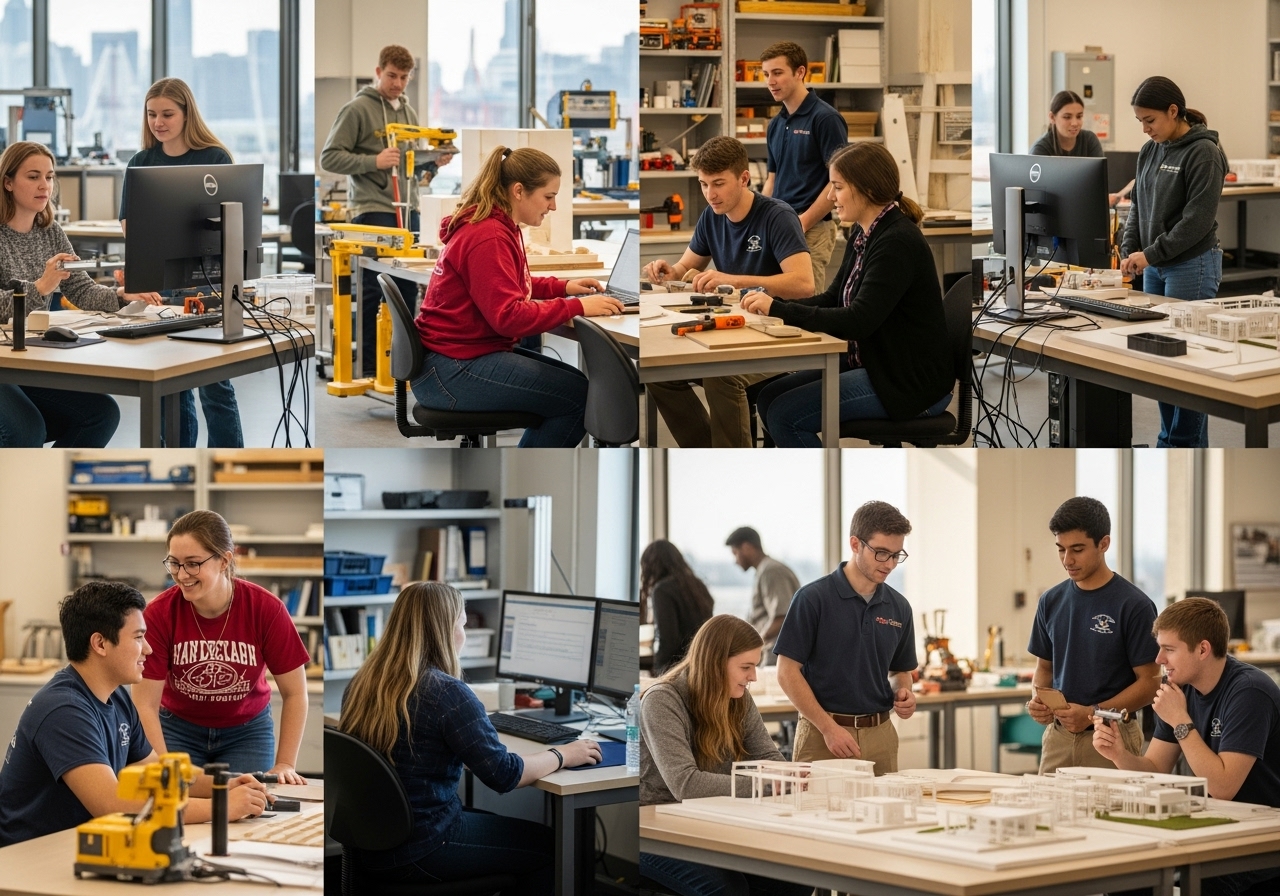
Partnerships form the backbone of Charleston’s approach to workforce development. Employers participate in curriculum design, offer internships, host site visits, and sometimes provide equipment or faculty support. Community colleges and district technical programs maintain employer advisory councils to ensure training remains relevant as industries change.
Public-private collaboration extends to apprenticeship models as well, where on-the-job training combines with classroom instruction. These apprenticeships reduce hiring risk for employers and provide compensated learning for students, which can be especially important for those who cannot afford unpaid training.
Economic Impact and Future Prospects
The synergy between education and industry has measurable economic effects. The Charleston metropolitan area led several metros in employment growth during recent months, adding tens of thousands of nonfarm jobs over a year-long span. That momentum reflects both private investment and the availability of a labor force capable of sustaining expansion.
Looking forward, the challenge will be sustaining the match between supply and demand as industries evolve. New manufacturing technologies, advances in healthcare delivery, and the continued digitization of business processes will create fresh skill requirements. Technical schools that remain responsive—updating labs, retraining instructors, and deepening employer ties—will position the region to capture new investment and high-quality jobs.
| Institution / Program | Primary Focus | Representative Outcome |
|---|---|---|
| Local Career & Technical Education (District) | Healthcare, Skilled Trades, Business Tech | Enrollment growth: >50% in CTE pathways (recent period) |
| State Technical College Network (regional campuses) | Advanced manufacturing, IT, Nursing, Logistics | Placement rate: ~93% for graduates in workforce |
| Specialized Craft Institution | Timber framing, stone carving, traditional trades | Direct supply of artisans for restoration and custom construction |
| Coding bootcamps & IT academies | Software development, cybersecurity, data skills | Short-term upskilling pathways into local tech jobs |
The combination of broad-based vocational training, specialized artisanal programs, and rapid tech-focused courses creates a layered workforce strategy. Each tier addresses different employer needs—entry-level roles, niche craft positions, and high-skill technical occupations—while offering students multiple routes to employment.
As Charleston’s economy diversifies, so too do the educational responses. Community colleges are expanding lab space and adding credentials tied to employer demand, while secondary schools are promoting career pathways earlier in students’ academic journeys. These moves increase the pipeline of qualified candidates for in-demand occupations and create clearer transitions from classroom to career.
Programs that integrate work experiences—through apprenticeships, co-ops, and employer-sponsored projects—prove particularly effective at converting training into long-term employment. Employers that host students can evaluate fit and skill while students gain firsthand exposure to workplace culture and expectations. This alignment shortens hiring timelines and often results in higher retention rates for the hires that follow.
Facing the future, resilience will depend on adaptability. Training providers that cultivate industry relationships, update curricula, and measure outcomes will remain indispensable to local employers. At the same time, maintaining affordability and accessibility will be essential to ensure that these pathways reach a diverse cross-section of residents.
Key Takeaways
- Strong alignment between technical programs and employer needs drives high placement rates and quicker entry into the workforce.
- Specialized institutions preserve rare trades and supply niche markets while broader technical colleges feed healthcare, manufacturing, and logistics.
- Collaboration—through advisory councils, apprenticeships, and employer-led projects—keeps curricula relevant and helps retain graduates in the region.
Frequently Asked Questions
How do Charleston’s technical schools connect students with local employers?
Institutions use employer advisory boards, internships, co-op placements, and apprenticeship programs to align training with business needs. Employers participate in shaping course content, sponsor equipment or applied projects, and often recruit directly from program cohorts.
Which sectors benefit most from the region’s technical training?
Healthcare, advanced manufacturing, logistics, construction trades (including preservation crafts), and technology sectors have seen the most direct benefits. Each of these industries draws on different program types, from short-term certificates to multi-year technical degrees.
Do technical school graduates stay and work in the Charleston area?
A substantial majority of graduates remain employed within the state, contributing to local economic activity. High placement rates and local job availability are factors that increase retention among vocational and technical graduates.
What should employers do if they want to partner with a technical program?
Employers can join advisory councils, offer internships and apprenticeships, provide input on curriculum, offer equipment donations, and participate in hiring events. Many institutions have dedicated workforce or employer engagement offices to facilitate these partnerships.

Author: STAFF HERE CHARLESTON
The CHARLESTON STAFF WRITER represents the experienced team at HEREcharleston.com, your go-to source for actionable local news and information in Charleston, Charleston County, and beyond. Specializing in "news you can use," we cover essential topics like product reviews for personal and business needs, local business directories, politics, real estate trends, neighborhood insights, and state news affecting the area—with deep expertise drawn from years of dedicated reporting and strong community input, including local press releases and business updates. We deliver top reporting on high-value events such as the Spoleto Festival USA, Charleston Wine + Food Festival, and the MOJA Festival. Our coverage extends to key organizations like the Charleston Metro Chamber of Commerce and the Charleston Museum, plus leading businesses in tourism and maritime industries that power the local economy such as South Carolina Ports Authority and the Charleston Visitor Center. As part of the broader HERE network, including HEREaiken.com, HEREbeaufort.com, HEREchapin.com, HEREcharleston.com, HEREclinton.com, HEREcolumbia.com, HEREgeorgetown.com, HEREgreenwood.com, HEREgreenville.com, HEREhiltonhead.com, HEREirmo.com, HEREmyrtlebeach.com, HEREnewberry.com, HERErockhill.com, HEREspartanburg.com, HEREaustin.com, HEREcollegestation.com, HEREdallas.com, HEREhouston.com, and HEREsanantonio.com, we provide comprehensive, credible insights into South Carolina's dynamic landscape.