
Charleston SC, July 28, 2025
News Summary
Charleston is experiencing scrutiny over a ‘shrimp fraud’ lawsuit that claims 40 restaurants are misrepresenting imported shrimp as local catch. A study showed only 10% of sampled shrimp dishes were from local waters, raising concerns for the city’s 8 million annual visitors. Amid calls for transparency in seafood marketing, some restaurants remain committed to authentic local sourcing while others defend their practices against allegations of deception.
Charleston’s Seafood Scene Under Scrutiny Amid “Shrimp Fraud” Controversy, Influencing Visitor Expectations
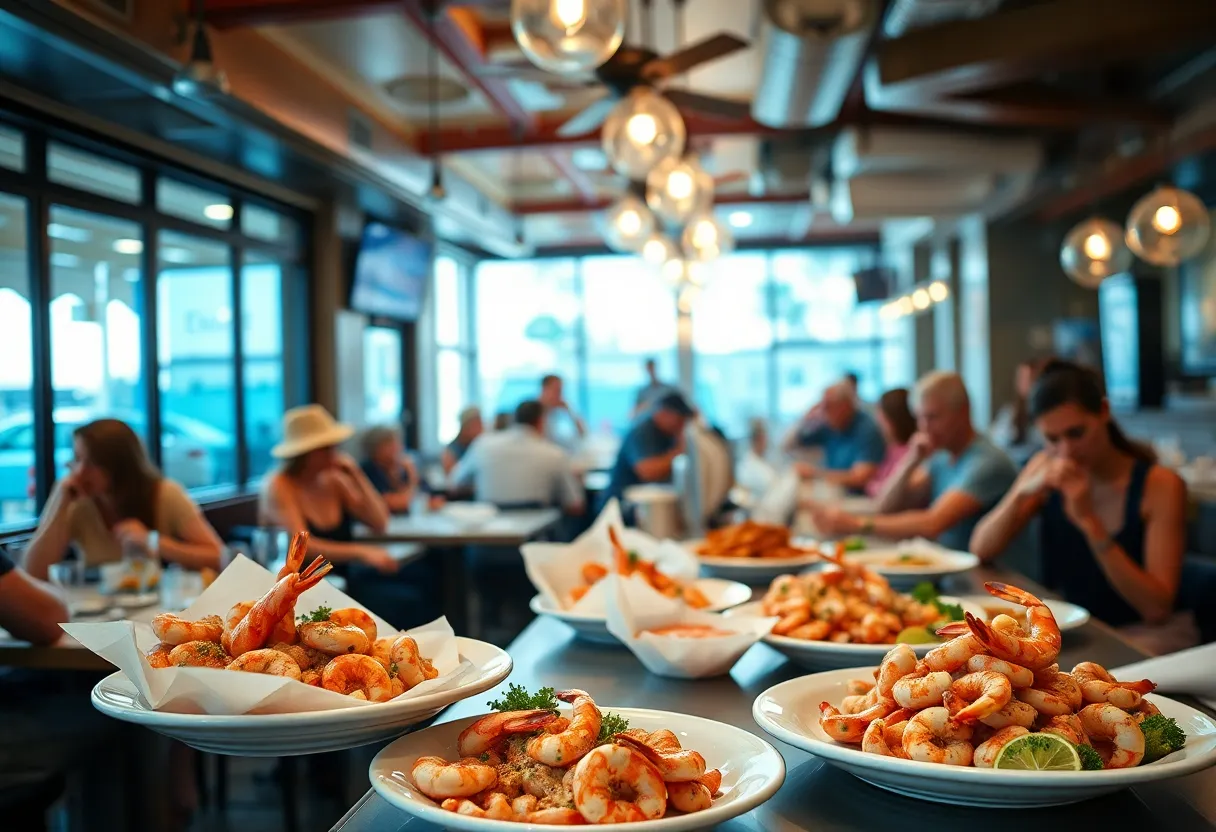
Charleston, a city renowned for its Lowcountry cuisine and seafood, is currently facing significant scrutiny as a lawsuit labeled “shrimp fraud” casts a shadow over its vibrant culinary scene. The case alleges that 40 local restaurants are serving imported shrimp while marketing it as wild-caught from domestic waters, raising concerns over authenticity for the approximately 8 million tourists who visit the city annually.
The controversy emerged following a genetic testing study conducted by SeaD Consulting, which revealed that only 10% of shrimp dishes sampled were genuinely sourced from local waters. This revelation has prompted the South Carolina Shrimpers Association to pursue legal action to protect local fisheries and advocate for accurate marketing practices among the restaurant community.
Tourists visiting Charleston often prioritize authentic local dining experiences, expressing a strong desire to enjoy meals where locals frequently dine. Many visitors come to experience traditional Lowcountry dishes, emphasizing taste and quality. Data indicates that average food expenses for adult visitors in Charleston amount to approximately $257 per visit, underlining the importance of reliable food quality.
Notably, while many tourists are eager for local ingredients, they do not always prioritize the sourcing of seafood. Some visitors have commented that flavor and quality take precedence over the origin of shrimp, indicating a nuanced perspective among tourists regarding the sourcing debate. Additionally, user reviews and seasoning quality play a substantial role in guiding diners’ restaurant choices.
As the shrimp fraud allegations unfold, some restaurant owners have publicly acknowledged miscommunication regarding the social media representation of their shrimp sourcing. Others staunchly defend their practices, asserting they have never misrepresented their shrimp origins despite the ongoing lawsuit. For instance, issues at Hyman’s Seafood were attributed to errors in social media management rather than deliberate deception.
In spite of the controversy, some restaurants remain committed to offering genuine locally sourced shrimp. Notable establishments such as Coosaw Creek Crab Shack, Grace & Grit, Rappahannock Oyster Bar, and Acme (Lowcountry Kitchen) have been highlighted for their authentic offerings. However, the legal actions have incited calls for increased transparency in menu labeling and marketing across the culinary sector.
As options for sourcing shrimp fluctuate according to seasonal availability, chefs have noted that not all seafood can be consistently sourced locally. This situation contributes to the complex nature of the ongoing debate, with visitors exhibiting a range of concerns and preferences regarding shrimp sourcing.
The ongoing discussions surrounding shrimp sourcing in Charleston underscore a larger conversation about transparency and integrity within the restaurant industry, particularly in a city that prides itself on its culinary heritage and local produce. The lawsuit remains a point of contention as the community considers the implications for both local fisheries and the tourism experience that drives Charleston’s economy.
FAQ
- What is the shrimp fraud controversy in Charleston?
- The controversy revolves around allegations that 40 restaurants in Charleston are serving imported shrimp under the guise of local wild-caught shrimp, leading to a lawsuit initiated by the South Carolina Shrimpers Association.
- How did the shrimp fraud allegations come to light?
- A genetic testing study conducted by SeaD Consulting indicated that only 10% of shrimp dishes sampled in Charleston were genuinely local, raising concerns about the authenticity of seafood served in restaurants.
- What do tourists prioritize when dining in Charleston?
- Many tourists prioritize authentic local dining experiences and traditional Lowcountry dishes, with flavor and quality often being more critical than the origin of the shrimp.
- Which restaurants are known for serving genuine local shrimp?
- Restaurants including Coosaw Creek Crab Shack, Grace & Grit, Rappahannock Oyster Bar, and Acme (Lowcountry Kitchen) are recognized for serving authentic local shrimp.
- What are the average food expenses for adult visitors in Charleston?
- The average food expenses for adult visitors in Charleston amount to approximately $257 per visit.
Key Features of Charleston’s Shrimp Fraud Controversy
| Feature | Details |
|---|---|
| Number of Restaurants Alleged | 40 |
| Percentage of Genuine Local Shrimp | 10% |
| Average Food Expenses per Visit | $257 |
| Sued Entity | South Carolina Shrimpers Association |
| Restaurants Serving Genuine Local Shrimp | Coosaw Creek Crab Shack, Grace & Grit, Rappahannock Oyster Bar, Acme (Lowcountry Kitchen) |
Deeper Dive: News & Info About This Topic
HERE Resources
South Carolina Shrimpers Association Sues Restaurants Over Shrimp Misrepresentation
North Charleston’s Culinary Scene Flourishes with New Eateries and Local Favorites
Charleston Restaurant Owners Struggle with New Grease Trap Regulations
Philadelphia’s SEPTA Becomes Hub for Lawyer Advertising
Charleston Fisherman Faces Financial Hardship After Lightning Strike
South Carolina Shrimpers Association Sues Charleston Restaurants
South Carolina Shrimpers Association Sues Local Restaurants
SCSA Sues Restaurants Over Shrimp Sourcing Mislabeling
Charleston’s Culinary Scene Transforms with New Openings
Seafood Fraud Lawsuit Against Charleston Restaurants: Protecting Brand Integrity
Additional Resources
- Post and Courier: Charleston Seafood Tourists & Restaurants
- CHSToday: Where to Buy Local Seafood in Charleston
- ABC News 4: Hyman’s Seafood Resolves Shrimp Misrepresentation Issue
- Charleston Business: Charleston Shrimp Mislabeling Lawsuit
- National Fisherman: Charleston Concludes Round One of Shrimp Fraud Testing
- Wikipedia: Shrimp
- Google Search: Charleston shrimp fraud
- Google Scholar: shrimp fraud Charleston
- Encyclopedia Britannica: Shrimp
- Google News: Charleston shrimp fraud


Author: STAFF HERE CHARLESTON
The CHARLESTON STAFF WRITER represents the experienced team at HEREcharleston.com, your go-to source for actionable local news and information in Charleston, Charleston County, and beyond. Specializing in "news you can use," we cover essential topics like product reviews for personal and business needs, local business directories, politics, real estate trends, neighborhood insights, and state news affecting the area—with deep expertise drawn from years of dedicated reporting and strong community input, including local press releases and business updates. We deliver top reporting on high-value events such as the Spoleto Festival USA, Charleston Wine + Food Festival, and the MOJA Festival. Our coverage extends to key organizations like the Charleston Metro Chamber of Commerce and the Charleston Museum, plus leading businesses in tourism and maritime industries that power the local economy such as South Carolina Ports Authority and the Charleston Visitor Center. As part of the broader HERE network, including HEREaiken.com, HEREbeaufort.com, HEREchapin.com, HEREcharleston.com, HEREclinton.com, HEREcolumbia.com, HEREgeorgetown.com, HEREgreenwood.com, HEREgreenville.com, HEREhiltonhead.com, HEREirmo.com, HEREmyrtlebeach.com, HEREnewberry.com, HERErockhill.com, HEREspartanburg.com, HEREaustin.com, HEREcollegestation.com, HEREdallas.com, HEREhouston.com, and HEREsanantonio.com, we provide comprehensive, credible insights into South Carolina's dynamic landscape.